The Seven Hills on which ancient Rome was built
The Seven Hills of Rome are best known for being the ancient heart of the city. Located east of the Tiber River, these hills lie within the boundaries of ancient...
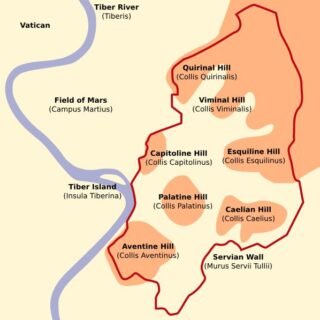
The Seven Hills of Rome are best known for being the ancient heart of the city. Located east of the Tiber River, these hills lie within the boundaries of ancient...
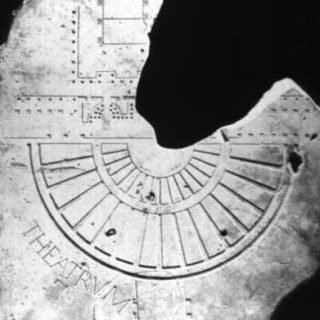
The Forma Urbis Romae, also known as the Severan Marble Plan, is a monumental map of ancient Rome. Created under the reign of Emperor Septimius Severus between 203 and 211...
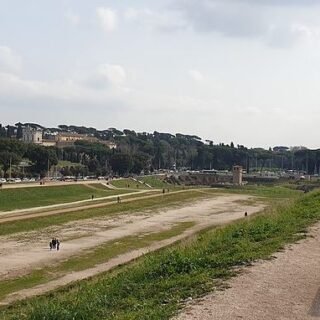
The Circus Maximus, Latin for “largest circus” (Italian: Circo Massimo), stands as a remarkable symbol of Ancient Rome’s architectural, cultural, and societal achievements. Situated in the valley between the Aventine...
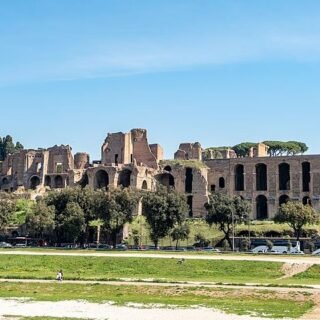
The Palatine Hill, known in Latin as Palatium and in Italian as Palatino, is one of the most ancient and historically significant parts of Rome. Centrally located among the Seven...

The Illyro-Roman Wars were a series of conflicts that underscored the Roman Republic‘s efforts to consolidate power in the Adriatic region and neutralize threats posed by the Illyrian Kingdom. These...
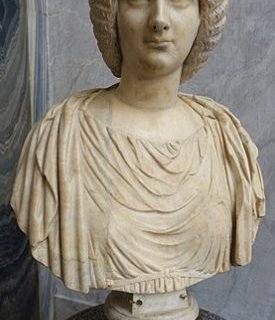
Julia Domna was born around 160 AD in Emesa (modern-day Homs, Syria) to a prominent Arab family of priests devoted to the deity Elagabalus. Her father, Julius Bassianus, was the...
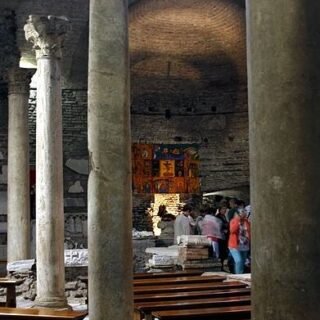
Beneath the streets of the modern metropolis of Rome lies an intricate maze of archaeological wonders, revealing layers of history from ancient Roman civilization to the early Christian period and...

Judaea was a Roman province established in 6 CE, encompassing Judea, Idumea, Samaria, Galilee, and parts of Philistia. It was formed after the deposition of Herod Archelaus, transitioning from semi-autonomous...
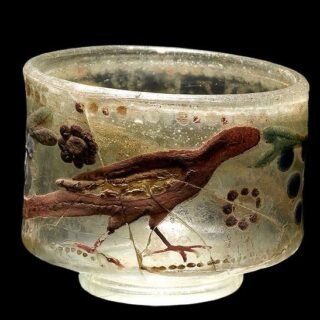
Roman glass refers to the glass artifacts produced during the time of the Roman Empire, roughly from the first century BCE to the end of the Roman Empire in the...

Roman wall painting, a vital aspect of Roman art, developed over centuries and evolved through various styles that offer insight into Roman culture, aesthetics, and daily life. Roman murals and...

Empress Helena’s religious devotion, pivotal role in relic preservation, and patronage of Christian sites solidified her legacy as an instrumental figure in the establishment of Christian traditions. Early Life and...
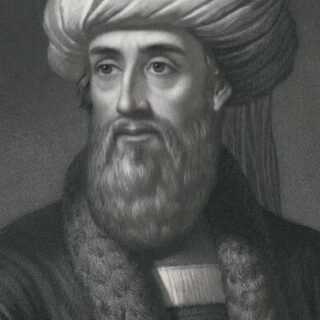
Flavius Josephus, born Yosef ben Mattityahu around AD 37 in Jerusalem, was a prominent Roman-Jewish historian and military leader. His works, particularly The Jewish War and Antiquities of the Jews,...

Pompeii, the ancient Roman city preserved by the catastrophic eruption of Mount Vesuvius in 79 AD, provides invaluable insight into Roman daily life through its architecture, art, and especially its...

Slavery in ancient Rome was a fundamental component of society, both economically and socially. Roman slavery had unique characteristics that distinguished it from other historical forms of slavery, and it...
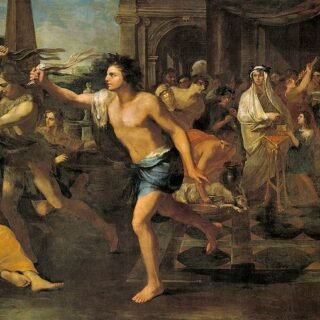
Religion in Ancient Rome was polytheistic, with a pantheon of gods and goddesses overseeing various aspects of life and nature. The Roman calendar was replete with festivals dedicated to these...





