Roman general Flavius Aetius
Flavius Aetius was a Roman general and statesman of the late Western Roman Empire, serving as its most powerful figure between 433 and 454. He is best known for his...
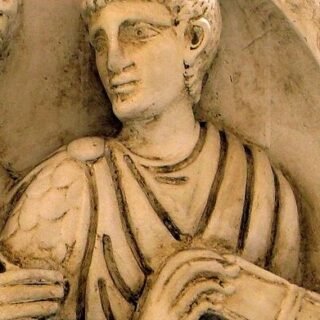
Flavius Aetius was a Roman general and statesman of the late Western Roman Empire, serving as its most powerful figure between 433 and 454. He is best known for his...

Diocletian was a Roman emperor (reign: 284–305) who stabilized the empire after the Crisis of the Third Century, implemented administrative and military reforms, and introduced the Tetrarchy. Early Life and...
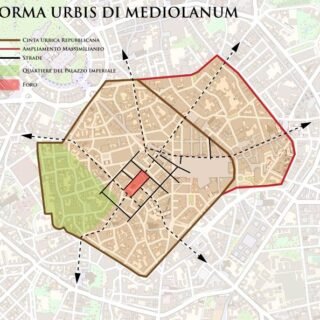
Mediolanum, the ancient city that would eventually evolve into modern-day Milan, has a rich and complex history stretching back over two millennia. Originally founded by the Insubrian Celts, it later...
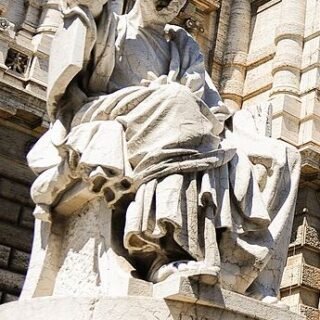
Roman law is one of the most influential legal traditions in history, forming the foundation of many modern legal systems. This legal framework was shaped significantly by Roman jurists—legal scholars...
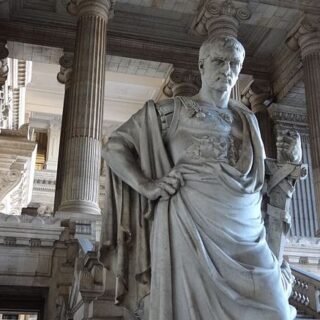
Gnaeus Domitius Annius Ulpianus, commonly known as Ulpian, was a distinguished Roman jurist whose influence on Roman law endures to this day. Born around 170 AD in Tyre, located in...
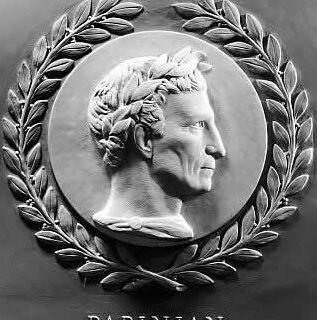
Aemilius Papinianus, commonly known as Papinian, was one of the most revered legal minds in ancient Rome. Born in 142 CE and executed in 212 CE, he was a prominent...
The constitution of the late Roman Empire was an unwritten set of principles and guidelines based on precedent, which centralized power in the hands of the emperor, reducing the influence...
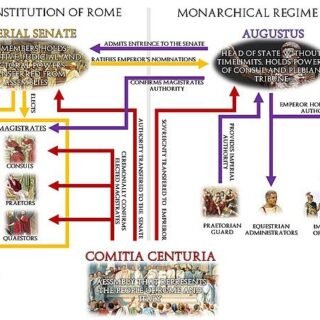
The Principate was the first phase of imperial government in Rome (27 BC–AD 284), characterized by the rule of a single emperor who maintained the illusion of Republican institutions. Etymology...

The Antonine Plague is also referred to as the Plague of Galen. It was a deadly epidemic that afflicted the Roman Empire between AD 165 and 180. Named after the Greek...
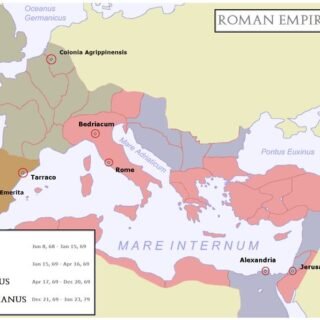
The Battle of Bedriacum refers to two significant battles fought in AD 69, during the tumultuous Year of the Four Emperors. These battles determined the fate of Rome’s leadership and...
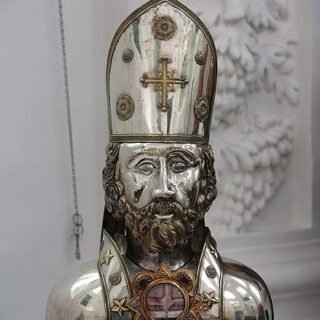
The Plague of Cyprian (c. 250–270 CE) was a devastating pandemic that struck the Roman Empire during a period of political and military crisis. Named after St. Cyprian, the bishop of Carthage who...

The quaestor was a public official in ancient Rome, playing an essential role in administrative, financial, and judicial matters. Over time, the title encompassed various responsibilities, adapting to the changing...
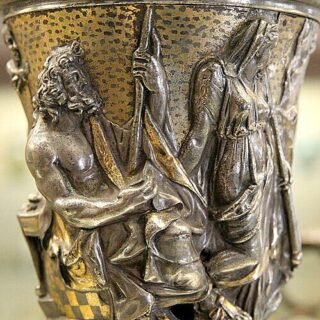
The Berthouville Treasure is a significant hoard of Roman silver discovered in 1830 near the hamlet of Villeret, in the commune of Berthouville, Normandy, France. This remarkable collection of silver...

The Edict of Thessalonica, issued on February 27, 380 AD, by Emperor Theodosius I, marked a pivotal moment in the history of Christianity and the Roman Empire. The decree officially...

The Villa Poppaea, also known as Oplontis Villa A, is an opulent Roman seaside villa (villa maritima) located in Torre Annunziata, Southern Italy. Situated between Naples and Sorrento, this villa...





