Who was Philip the Arab?
Philip I, known as Philip the Arab (c. 204–249), ruled the Roman Empire from 244 to 249. Initially Praetorian prefect, he ascended after Gordian III’s death, negotiating peace with the...

Philip I, known as Philip the Arab (c. 204–249), ruled the Roman Empire from 244 to 249. Initially Praetorian prefect, he ascended after Gordian III’s death, negotiating peace with the...

Gordian III’s reign represents a pivotal chapter in the history of the Roman Empire. Ascending to the throne as a child during a period of political upheaval, Gordian faced immense...
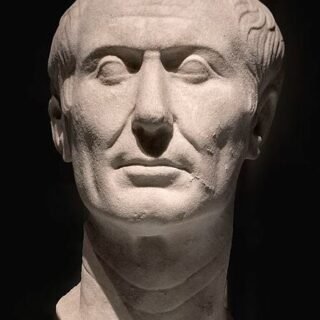
Julius Caesar is one of history’s most celebrated figures. Revered as a military genius, political tactician, and transformational leader, Caesar’s legacy looms large over Western civilization. However, alongside his monumental...
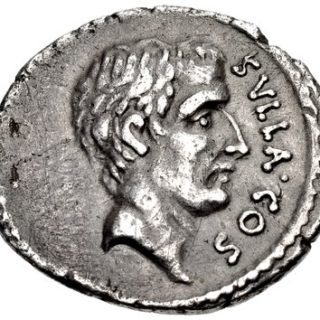
Lucius Cornelius Sulla, a complex and controversial figure in Roman history, remains a topic of debate among historians and scholars. His actions and policies significantly influenced the late Roman Republic,...

Valerian, born Publius Licinius Valerianus around 199 AD, ruled as Roman emperor from 253 until spring 260. Summary Emperor Valerian’s reign marked a turning point as he became the first...

Diogenes Laërtius stands as a pivotal figure in the preservation of ancient Greek philosophy. Renowned for his comprehensive biographical work, “Lives and Opinions of Eminent Philosophers,” he has provided invaluable...
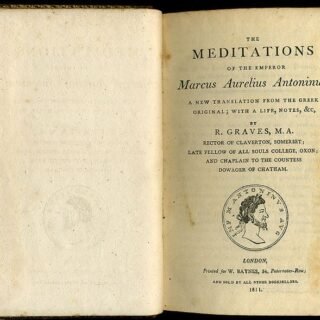
“Meditations” is a profound collection of personal reflections written by Roman Emperor Marcus Aurelius between 170 and 180 CE. Composed in Greek, the work was likely intended for private contemplation...
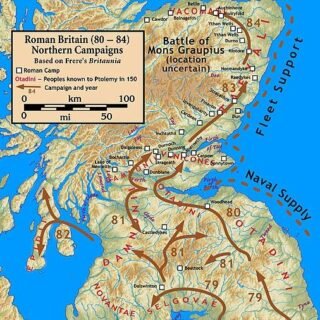
Tacitus, a Roman historian renowned for his incisive and critical writing, provides one of the most vivid accounts of the Battle of Mons Graupius, an event that occurred in AD 83...

Marcus Aurelius, often regarded as the philosopher-emperor, ruled the Roman Empire from 161 to 180 AD. His reign was characterized by a commitment to Stoic principles, ethical governance, military strategy,...
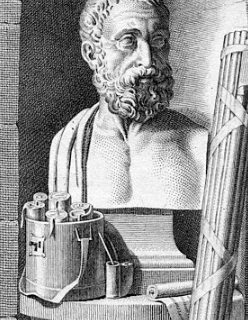
Roman historiography stands as one of the most influential traditions in the annals of historical writing. Spanning from the early Republic to the twilight of the Empire, Roman historians meticulously...
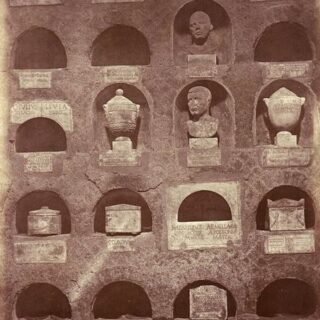
The columbaria of Imperial Rome offer a fascinating glimpse into the social, cultural, and architectural dynamics of death in ancient Roman society. These structures, designed to house the ashes of...
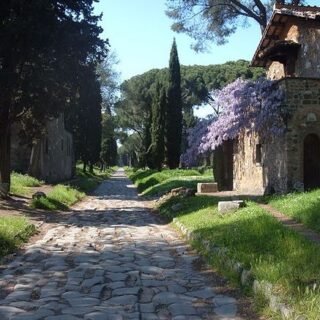
Roman roads were an integral part of the Roman Empire’s infrastructure, enabling military expansion, facilitating trade, and enhancing communication across vast territories. These roads were marvels of engineering and a...

The Battle of Philippi, fought in 42 BC, was a significant military engagement in Roman history. This two-part conflict marked the culmination of the Liberators’ War, pitting the forces of...

Ancient Rome was renowned for its architectural grandeur and sophisticated urban planning, with forums serving as the heart of public life. These forums were multifunctional spaces that combined marketplaces, political...

The Forum Romanum, or Roman Forum, is one of the most iconic and historically significant sites of ancient Rome. Serving as the epicenter of political, social, and religious life, the...





