Category: Ancient History
The Kingdom of Aksum, also known as the Aksumite Empire, was one of the most influential civilizations of ancient Africa. Located in the highlands of modern-day Ethiopia and Eritrea, it...
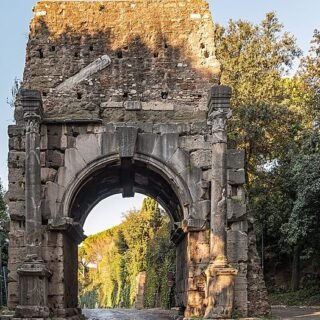
Triumphal arches were monumental structures erected in ancient Rome to commemorate significant military victories or to honor emperors and their achievements. They served as visual propaganda, reinforcing the power and...
Abraha, an Aksumite military leader who ruled the Kingdom of Himyar in the 6th century, is a figure of significant historical interest. Known for his military prowess and political maneuvering,...
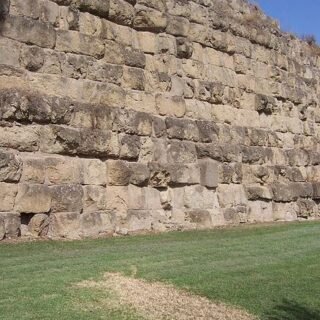
The Servian Wall (Latin: Murus Servii Tullii; Italian: Mura Serviane) is a significant relic of ancient Rome’s early defensive infrastructure. Constructed in the early 4th century BCE, it served as...
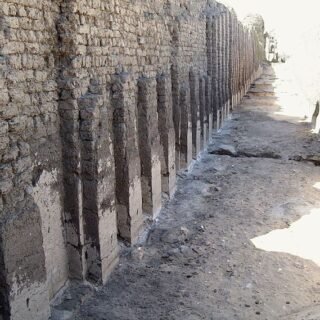
Shunet El Zebib is a remarkable mudbrick structure located in Abydos, Upper Egypt. This monumental edifice, dating to the Second Dynasty (circa 2700 BCE), was constructed by Pharaoh Khasekhemwy, the...
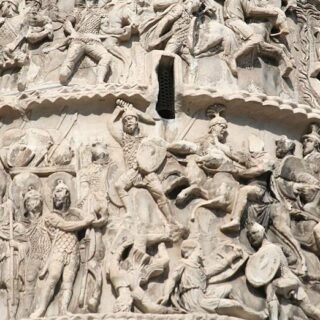
The Marcomannic Wars, fought between 166 and 180 AD, were a prolonged series of military conflicts between the Roman Empire and an alliance of Germanic tribes, notably the Marcomanni and...
Hakor, also known as Hagar, and by the Hellenized names Achoris or Hakoris, was a prominent pharaoh of Egypt’s 29th Dynasty. His more than a decade reign represented the zenith...
Roman emperor Gallienus ruled during the Crisis of the Third Century, marked by internal turmoil and external invasions, and managed to stabilize parts of the empire while facing numerous challenges,...
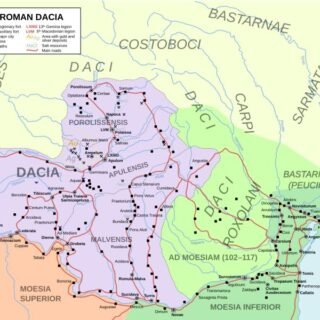
Roman Dacia was a province of the Roman Empire from 106 to 271–275 AD. It encompassed modern-day Oltenia, Transylvania, and Banat (spanning Romania, Hungary, and Serbia). The province was established following...
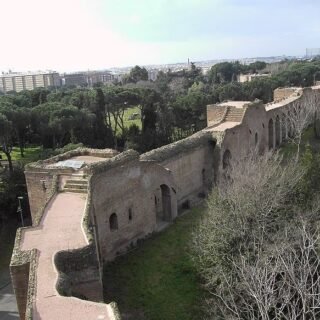
The Aurelian Walls were constructed between 271 AD and 275 AD during the reign of Emperor Aurelian. The structures are an enduring testament to Rome’s architectural ingenuity and strategic foresight....
Aurelian, Roman emperor from 270 to 275, restored stability by reuniting the empire through military victories over external invaders and internal revolts, earning the title Restitutor Orbis (“Restorer of the...
From her strategic marriage to Hadrian to her significant public role and mysterious death, Vibia Sabina navigated the intricacies of imperial life with grace and resilience. Her contributions to Roman...
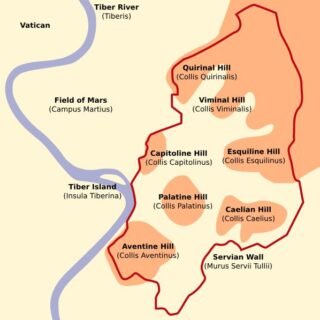
The Seven Hills of Rome are best known for being the ancient heart of the city. Located east of the Tiber River, these hills lie within the boundaries of ancient...
Upper Egypt represents the southern region of modern Egypt. Its geographic range extends from Cairo southward to Lake Nasser, formed by the Aswan High Dam. Historically and culturally distinct from...
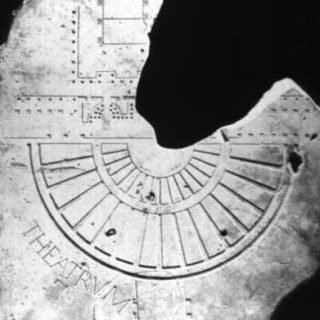
The Forma Urbis Romae, also known as the Severan Marble Plan, is a monumental map of ancient Rome. Created under the reign of Emperor Septimius Severus between 203 and 211...