Category: Ancient History
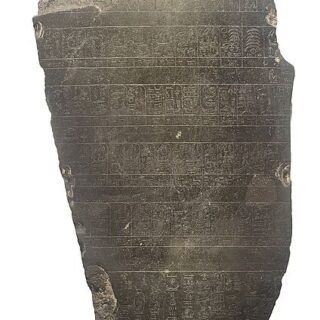
The Palermo Stone is one of seven remaining fragments of an ancient stele known as the Royal Annals of Egypt. This stele provided a chronological record of Egyptian kings from...
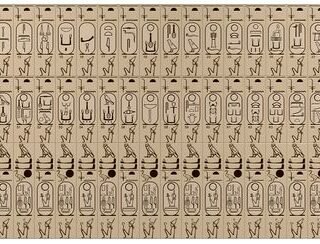
The Abydos King List, also referred to as the Abydos Table, is a crucial artifact in the study of ancient Egyptian history. Found in the Temple of Seti I at...
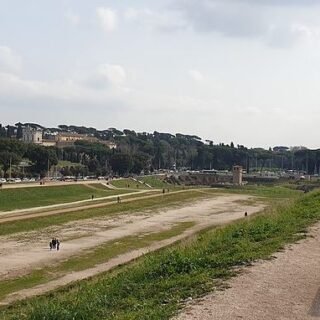
The Circus Maximus, Latin for “largest circus” (Italian: Circo Massimo), stands as a remarkable symbol of Ancient Rome’s architectural, cultural, and societal achievements. Situated in the valley between the Aventine...
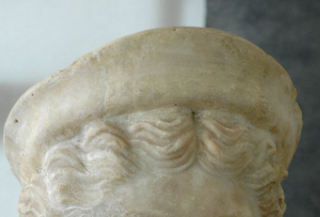
The stephane was a distinctive decorative headpiece that held significant cultural, aesthetic, and social value in ancient Greek and Roman societies. Derived from the verb στέφω (stéphō), meaning “I encircle,”...
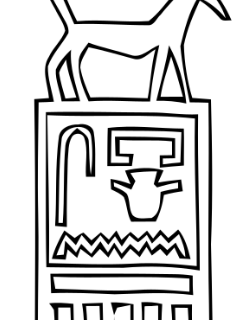
Seth-Peribsen, also known as Ash-Peribsen or simply Peribsen, was a pharaoh of Egypt’s Second Dynasty (circa 2890–2686 BCE). Despite uncertainties surrounding his reign, including its duration and succession, Peribsen remains...
Raneb, also known as Nebra, is an early Egyptian pharaoh whose Horus name signifies his association with the celestial and divine roles of kingship. As the second ruler of Egypt’s...
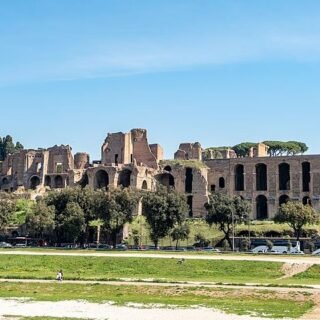
The Palatine Hill, known in Latin as Palatium and in Italian as Palatino, is one of the most ancient and historically significant parts of Rome. Centrally located among the Seven...
The Illyro-Roman Wars were a series of conflicts that underscored the Roman Republic‘s efforts to consolidate power in the Adriatic region and neutralize threats posed by the Illyrian Kingdom. These...
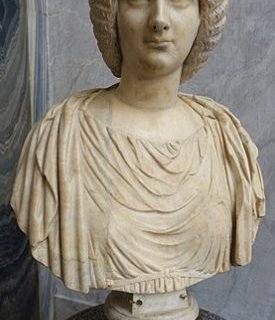
Julia Domna was born around 160 AD in Emesa (modern-day Homs, Syria) to a prominent Arab family of priests devoted to the deity Elagabalus. Her father, Julius Bassianus, was the...
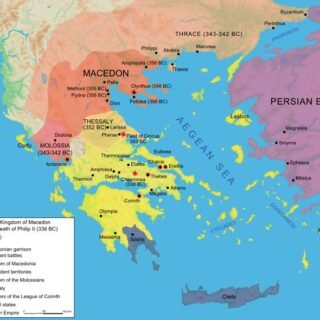
Macedonia’s rise to dominance in ancient Greece was a transformative historical process that unfolded during the reign of Philip II of Macedon (reign: c. 359–336 BC). Initially a peripheral kingdom...
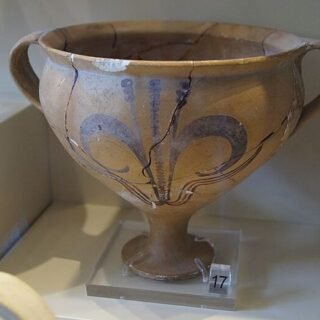
Flourishing from around 1600 to 1100 BCE in mainland Greece and the Aegean islands, the Mycenaean civilization is renowned for its distinctive pottery. These works offer insight into its cultural,...
Minoan stoneware was an essential aspect of ancient Cretan civilization. The works highlight the remarkable craftsmanship and artistic sophistication of the Minoans, who thrived during the Bronze Age (circa 3000-1450...
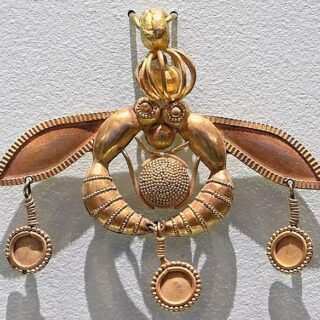
Minoan jewelry, produced during the Bronze Age civilization that flourished on the island of Crete from around 3000 to 1100 BCE, is a fascinating subject due to its artistry, craftsmanship,...
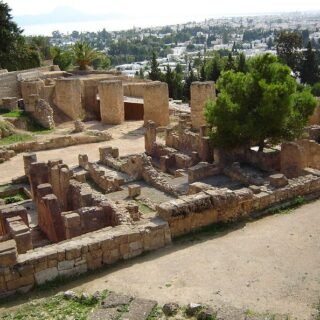
Genocide in the ancient world, while not always explicitly labeled as such, manifested in various forms across different civilizations. Ancient wars and conquests often led to the deliberate and systematic...
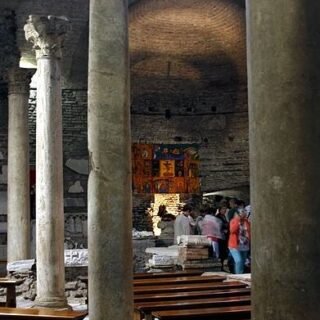
Beneath the streets of the modern metropolis of Rome lies an intricate maze of archaeological wonders, revealing layers of history from ancient Roman civilization to the early Christian period and...