Pharaoh Djet of the First Dynasty
Pharaoh Djet, also known as Hor Djet (“Horus Cobra” or “Horus Who Strikes”), ruled during Egypt’s First Dynasty in the Early Dynastic Period, around 2980 BC. His name reflects a...

Pharaoh Djet, also known as Hor Djet (“Horus Cobra” or “Horus Who Strikes”), ruled during Egypt’s First Dynasty in the Early Dynastic Period, around 2980 BC. His name reflects a...

The Battle of Philippi, fought in 42 BC, was a significant military engagement in Roman history. This two-part conflict marked the culmination of the Liberators’ War, pitting the forces of...

Ancient Rome was renowned for its architectural grandeur and sophisticated urban planning, with forums serving as the heart of public life. These forums were multifunctional spaces that combined marketplaces, political...

Zenobia’s rebellion, chronicled in the Historia Augusta (a late Roman collection of imperial biographies), is an extraordinary tale of ambition, strategy, and defiance. This rebellion unfolded during the 3rd century CE,...

Often hailed as the “Father of History,” Greek historian and geographer Herodotus has inspired countless works of art throughout history. His pioneering narrative style, blending history and storytelling, serves as...

The Forum Romanum, or Roman Forum, is one of the most iconic and historically significant sites of ancient Rome. Serving as the epicenter of political, social, and religious life, the...

Gaius Julius Vindex (c. AD 25–68) was a pivotal figure in Roman history during a time of political turmoil and unrest. As governor of Gallia Lugdunensis, he became a symbol...

The Colossus of Constantine was an extraordinary monumental statue of Emperor Constantine the Great, crafted in the early 4th century AD. Renowned for its immense size and profound symbolic significance,...

Ankhnesneferibre, an illustrious figure of the 26th Dynasty of ancient Egypt, exemplifies the intertwining of royal lineage and religious authority in Thebes. Born around 595 BC, she was the daughter...

Pharaoh Neferefre, also known as Raneferef, was a ruler of ancient Egypt’s Fifth Dynasty during the Old Kingdom period. His reign, though brief, offers valuable insights into the political, architectural,...

The Augustus of Prima Porta is a marble statue that encapsulates the political, cultural, and artistic ideals of the Roman Empire under Emperor Augustus. Discovered in 1863 at the Villa...
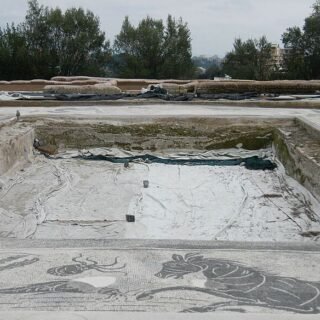
The Villa of Livia, also known as Ad Gallinas Albas, is an ancient Roman villa located at Prima Porta, approximately 12 kilometers north of Rome along the Via Flaminia. This...

Neferirkare Kakai, the third pharaoh of Egypt’s Fifth Dynasty, lived during the mid-25th century BC. He was the son of Pharaoh Sahure and Queen Meretnebty, as confirmed by reliefs from...

Livia Drusilla (59 BC–AD 29) was Roman empress from 27 BC to AD 14 as Augustus’s wife. Known as Julia Augusta after AD 14, she was the daughter of Marcus...
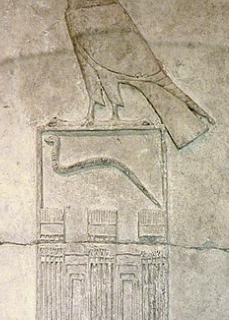
In ancient Egyptian hieroglyphs, the serekh stands as a pivotal symbol representing royal authority and divine legitimacy. Combining artistic elements of architecture and symbolism, the serekh served not only as...





