Nero Claudius Drusus
Nero Claudius Drusus Germanicus’s life exemplified the complexities of Roman imperial ambitions, blending personal ambition with service to the state. Through his campaigns in Germania, Drusus expanded Rome’s borders and...
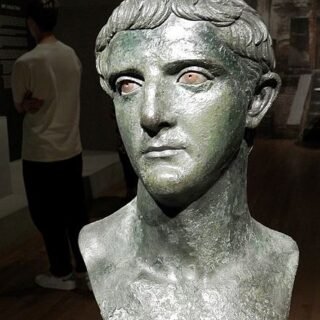
Nero Claudius Drusus Germanicus’s life exemplified the complexities of Roman imperial ambitions, blending personal ambition with service to the state. Through his campaigns in Germania, Drusus expanded Rome’s borders and...
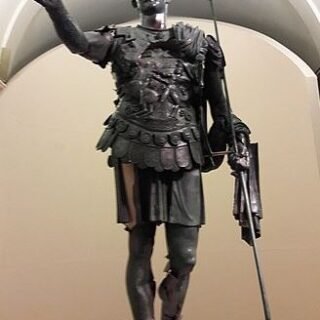
Germanicus Julius Caesar remains a significant figure in the history of the Roman Empire. His life was marked by notable military accomplishments, familial connections to the highest echelons of power,...

The Horus name stands as the earliest known royal title of ancient Egyptian pharaohs, integral to the complex system of royal titulary. This title forms one of the “great five...
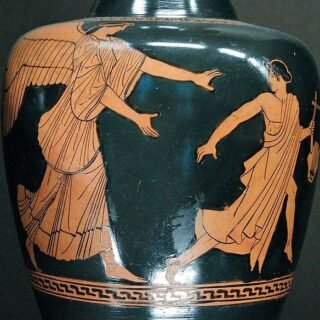
Tithonus, a Trojan prince and lover of Eos, the Goddess of Dawn, occupies a significant place in Greek mythology as a symbol of the consequences of immortality without eternal youth....
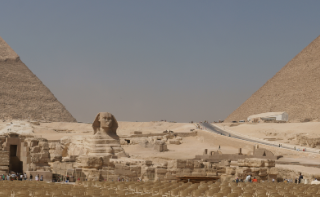
The Fourth Dynasty of ancient Egypt (c. 2613–2494 BCE) represents a golden age in the Old Kingdom, marked by profound architectural achievements, centralized governance, and religious developments. This period is...

Pharaoh Userkaf, the founder of Egypt’s Fifth Dynasty, reigned during the 25th century BC in the Old Kingdom period. His rule marked a transitional era in Egyptian history, characterized by...

Pisistratus (c. 600–527 BC) was a prominent Athenian leader and early tyrant whose governance shaped Athens’ trajectory toward cultural and political significance. His three non-consecutive periods of rule (late 560s,...

The Panathenaea was one of the most important festivals in ancient Greece, celebrated annually in Athens in honor of Athena, the city’s patron goddess. Its origins are rooted in mythology...

Khedebneithirbinet I was a queen of ancient Egypt during the 26th Dynasty, also known as the Saite Dynasty (c. 664–525 BCE). Her name, meaning “Neith Kills the Evil Eye,” reflects a devotion...
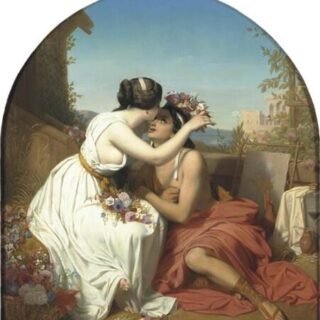
Pausias stands out as a distinguished figure in ancient Greek art, flourishing during the early 4th century BC. As a member of the Sicyonian school, his contributions significantly influenced the...
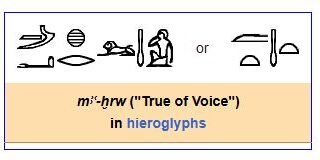
“Maa Kheru” (Ancient Egyptian: mꜣꜥ ḫrw) is a profound phrase in ancient Egyptian culture, embodying the concepts of righteousness, justification, and rightful acclaim. Translated as “true of voice,” “justified,” or...
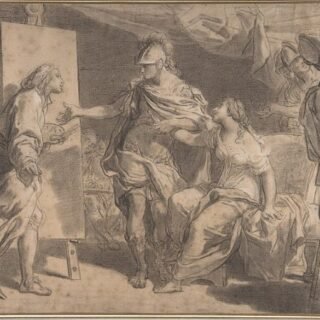
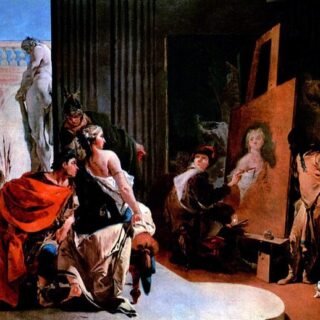
Apelles, a 4th-century BCE Hellenistic Greek painter, remains celebrated as one of antiquity’s most esteemed artists, despite the complete loss of his works. His exceptional reputation is largely based on...
Ancient Greece stands as one of the most culturally rich and artistically accomplished civilizations in history, particularly in the realm of painting. Greek painters excelled in vase painting, frescoes, and...
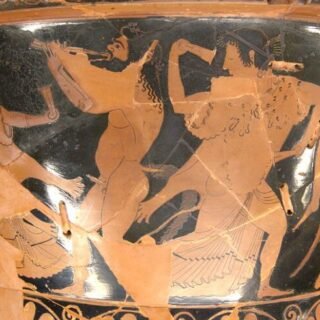
Euphronios (c. 535–470 BC) was a prominent figure in ancient Greek art, recognized as one of the foremost painters and potters of the Late Archaic and Early Classical periods. A...

Lower Egypt, known as Miṣr as-Suflā in Arabic and Tsakhet in Coptic, represents the northernmost region of ancient Egypt. Encompassing the fertile Nile Delta between Upper Egypt and the Mediterranean...





