Who were the Brothers Gracchi?
The Gracchi brothers, Tiberius and Gaius, were pivotal figures in the political history of the Roman Republic, primarily due to their efforts as tribunes to implement significant reforms. Their actions led...
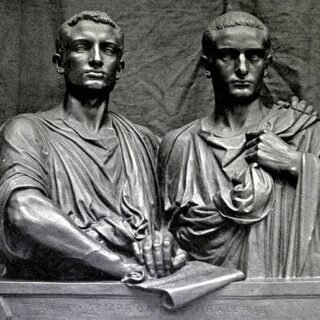
The Gracchi brothers, Tiberius and Gaius, were pivotal figures in the political history of the Roman Republic, primarily due to their efforts as tribunes to implement significant reforms. Their actions led...

The Cylinders of Nabonidus are ancient cuneiform inscriptions commissioned by Nabonidus, the last king of the Neo-Babylonian Empire, who reigned from 556 to 539 BCE. These inscriptions, found on clay...

The concept of the afterlife in ancient Greece was complex and varied over time, reflecting the religious, philosophical, and mythological beliefs that evolved through centuries. It was deeply tied to...

The Phoenician Alphabet and Language played a significant role in the development of written communication and the spread of linguistic traditions in the ancient world. In this detailed exploration, World History Edu...

The Rassam Cylinder, a significant artifact of the Neo-Assyrian Empire, dates to 643 BCE and was produced under the reign of King Ashurbanipal, one of Assyria’s most renowned rulers. This cylinder is...

Tantamani, also known as Tanutamun, was the last ruler of Egypt’s Twenty-fifth Dynasty, often referred to as the Kushite Dynasty or Nubian Dynasty due to its origins in the Kingdom...
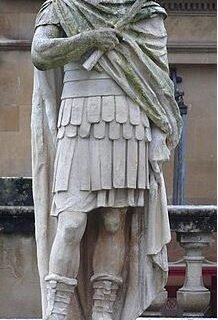
Gnaeus Julius Agricola (13 June 40 – 23 August 93 AD) was an accomplished Roman general and statesman known for his significant role in the expansion of the Roman Empire...
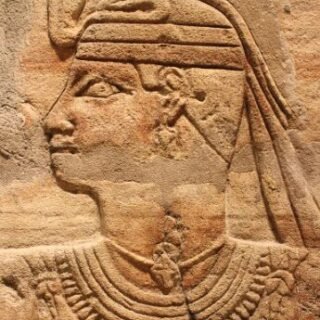
Pharaoh Taharqa, a distinguished ruler of Egypt’s Twenty-fifth Dynasty and king of the Kingdom of Kush, reigned from 690 to 664 BCE. His life and reign are marked by profound...

The ancient town of Dium, also known as Dion, was located in the northwest region of Euboea, one of Greece’s largest islands. Positioned near the promontory of Cenaeum, Dium played...

In Greek mythology, the story of Heracles and Lichas is a dramatic tale intertwined with themes of loyalty, betrayal, and tragic consequences. Heracles, also known as Hercules in Roman mythology,...

Nessus is a notable centaur in Greek mythology, renowned for his tragic role in the story involving Heracles (Hercules in Roman Mythology) and Deianeira. The tale of Nessus not only...

The assassination of Julius Caesar on March 15, 44 BC, also known as the Ides of March, is one of the most pivotal moments in Roman history. The plot to kill Caesar was...
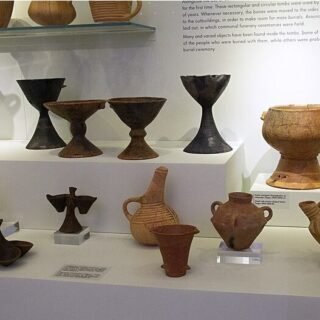
Minoan pottery, an essential aspect of the ancient Minoan civilization that flourished on the island of Crete from around 3000 to 1100 BCE, is renowned for its artistic creativity, innovation,...
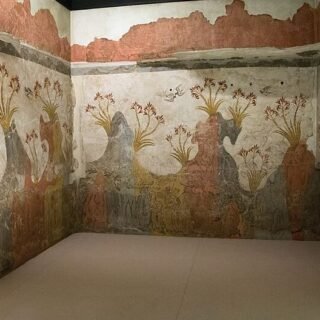
Minoan frescoes are one of the most striking and informative artistic achievements from the ancient world, specifically from the Minoan civilization, which flourished on the island of Crete during the...

After the death of Hatshepsut, the fifth pharaoh of the Eighteenth Dynasty of Egypt, her successors, particularly Thutmose III and later rulers, took extensive measures to erase her legacy and...





