What caused the Babylonian captivity?
The Babylonian Captivity, spanning 597–539 BCE, stands as a transformative period in Jewish history. This era witnessed the forced deportation of Judeans from the Kingdom of Judah to Babylon by...
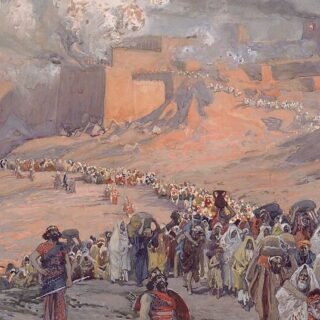
The Babylonian Captivity, spanning 597–539 BCE, stands as a transformative period in Jewish history. This era witnessed the forced deportation of Judeans from the Kingdom of Judah to Babylon by...
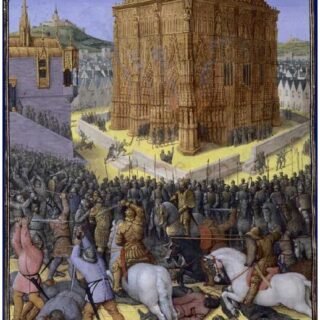
The Siege of Jerusalem by Nebuchadnezzar II in 587 BC was a critical turning point in Jewish history. This event marked the culmination of a prolonged struggle between the Kingdom...
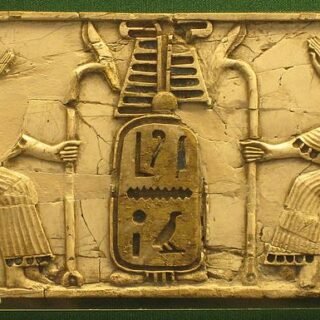
The Nimrud Ivories are a remarkable collection of carved ivory artifacts that provide an invaluable glimpse into the artistic, cultural, and historical landscape of the ancient Near East. Found in...

Ur-Baba, also known as Ur-Bau, was a prominent ensi (ruler) of the ancient Sumerian city-state Lagash. His leadership spanned a critical period in Mesopotamian history, marked by the decline of...

Gudea stands out as one of the most illustrious ensi (governor) of Lagash, a prominent city-state in Southern Mesopotamia. His reign, spanning approximately from 2144–2124 BC (middle chronology) or 2080–2060...

The world’s oldest love poem, often referred to as the “Song of Love for Shu-Sin”, is a remarkable piece of history, showcasing the enduring nature of human emotion and the sophisticated...

The relationship between Sennacherib, the Assyrian king, and the city of Babylon represents one of the most dramatic episodes in ancient Mesopotamian history. This relationship is emblematic of the broader...
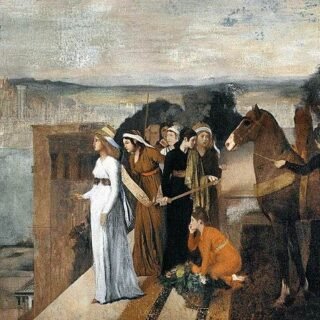
Sammu-Ramat, a historical Assyrian queen, and Semiramis, a figure of legend, have long captured the imagination of historians, writers, and artists. Their stories, though intertwined, represent two distinct facets of...

The Ubaid period, spanning approximately from 5500 to 3700 BC, marks a pivotal era in the prehistory of Mesopotamia. Recognized for its substantial cultural, technological, and societal advancements, the Ubaid...

Ninagal occupies a pivotal role in Mesopotamian mythology as a divine smith, embodying the essential skills of metalworking and craftsmanship revered in ancient Mesopotamian society. His depiction, worship, and associations...
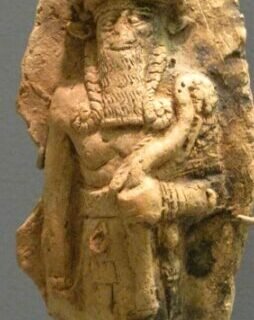
Nergal stands as one of the most formidable deities in the ancient Mesopotamian pantheon. Revered for his association with war, death, and disease, Nergal’s influence permeated various aspects of Mesopotamian...
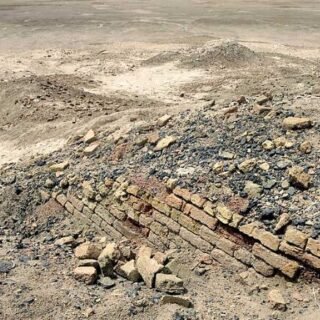
Eridu stands as one of the earliest known cities in southern Mesopotamia, embodying significant historical, cultural, and architectural milestones. Situated in present-day Iraq, Eridu’s legacy offers profound insights into the...
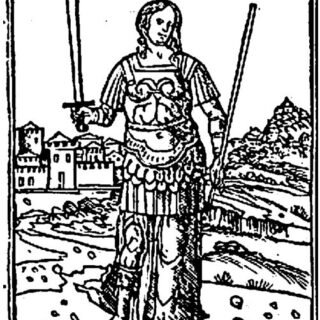
Diodorus Siculus, a Greek historian from the 1st century BC, wrote an expansive history called the Bibliotheca Historica. Within this work, he provided an account of Semiramis, a semi-legendary queen...

Ur, one of ancient Mesopotamia’s most renowned city-states, played a pivotal role in the development of early urban civilization. Situated on the fertile plains between the Euphrates and Tigris rivers,...
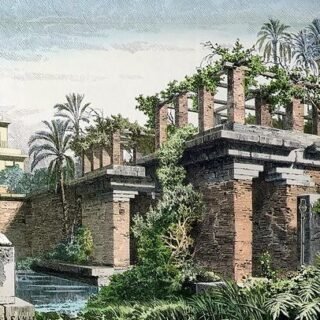
The Hanging Gardens of Babylon stand as one of the most enigmatic and celebrated landmarks of the ancient world. Renowned as one of the Seven Wonders of the Ancient World,...





