Codex Sinaiticus Syriacus
The Syriac Sinaiticus, also known as the Codex Sinaiticus Syriacus or the Sinaitic Palimpsest, is a late 4th- or early 5th-century manuscript. It consists of 179 folios and contains a...

The Syriac Sinaiticus, also known as the Codex Sinaiticus Syriacus or the Sinaitic Palimpsest, is a late 4th- or early 5th-century manuscript. It consists of 179 folios and contains a...

The National Party (NP), or Nasionale Party in Afrikaans, played a dominant role in South African politics from its founding in 1914 until its dissolution in 1997. Responsible for the...
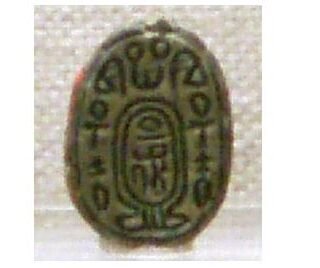
Apepi was one of the longest-reigning and most influential Hyksos rulers of Egypt. While he initially maintained peaceful relations with the native Thebans, hostilities eventually led to his dynasty’s decline....

Apartheid in South Africa was a state-enforced system of racial segregation that lasted from 1948 to 1994. During this time, various sectors of society actively opposed apartheid through organized movements,...

Vera Reitzer’s life encompassed extreme contrasts—she survived Auschwitz, was liberated by American forces, resettled in Israel, and later supported a system of racial segregation in South Africa. Her story illustrates...

Pope Victor I, a prominent leader of the early Christian Church, served as the Bishop of Rome in the late second century. His papacy is significant for its role in...

The Fall of Constantinople, also known as the conquest of Constantinople, was a defining moment in world history. The capture of the Byzantine capital by the Ottoman Empire on May...
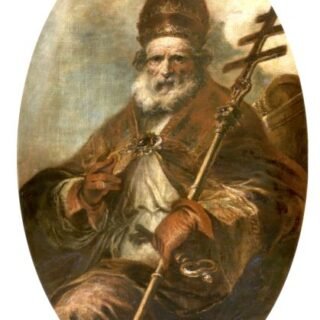
Pope Leo I, also known as Leo the Great, was the Bishop of Rome from 440 to 461. He is recognized as one of the most influential popes, known for...

Asaf Khan was the Grand Vizier of Mughal Emperor Jahangir and later served under Shah Jahan. He was also the father of Mumtaz Mahal and the brother of Empress Nur...

Henry VII, originally Henry Tudor, was born on January 28, 1457, at Pembroke Castle in Wales. His father, Edmund Tudor, 1st Earl of Richmond, died before Henry was born, leaving...
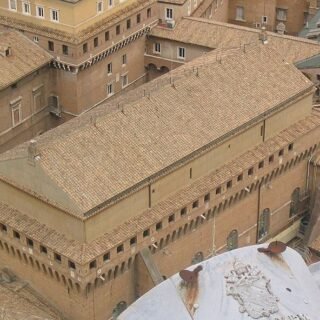
The papal conclave is a highly secretive and ritualistic process that ensures the election of a new pope remains free from external influence. From strict security measures to ancient traditions...
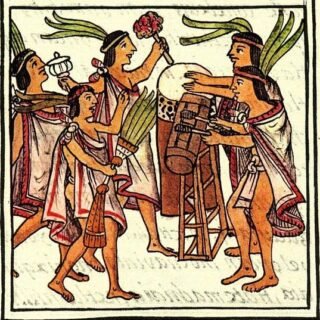
Netotiliztli was a traditional dance practiced by the Mexica people, a Nahuatl-speaking civilization that flourished in central Mexico before the Spanish conquest. This dance was deeply intertwined with Mexica cosmology,...

The Basilica of Sant’Ambrogio, officially known as Basilica romana minore collegiata abbaziale prepositurale di Sant’Ambrogio, is a prominent Roman Catholic church in Milan, Lombardy, Italy. Renowned for its Romanesque architecture...

The Battle of Köse Dağ, fought on 26 June 1243, marked a decisive moment in the Mongol conquest of Anatolia. The Sultanate of Rum, previously a dominant power in the...

Liliesleaf Farm served as a secret safe house for African National Congress (ANC) activists and the headquarters of uMkhonto we Sizwe (MK), the ANC’s armed wing, during the early 1960s....