History of Chichen Itza
Chichén Itzá was a prominent pre-Columbian city constructed by the Maya civilization during the Terminal Classic period (c. AD 800–1200). Situated in the Yucatán Peninsula of modern-day Mexico, this UNESCO...

Chichén Itzá was a prominent pre-Columbian city constructed by the Maya civilization during the Terminal Classic period (c. AD 800–1200). Situated in the Yucatán Peninsula of modern-day Mexico, this UNESCO...

Slavery in ancient Rome was a fundamental component of society, both economically and socially. Roman slavery had unique characteristics that distinguished it from other historical forms of slavery, and it...
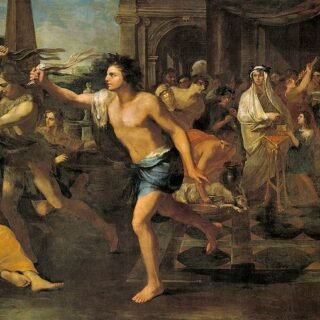
Religion in Ancient Rome was polytheistic, with a pantheon of gods and goddesses overseeing various aspects of life and nature. The Roman calendar was replete with festivals dedicated to these...

The First Era of Northern Domination marks a significant period in Vietnamese history when the northern regions of present-day Vietnam were governed by Chinese dynasties. Spanning from around 111 BC...

Ninhursag was a prominent deity in Sumerian mythology. Also known as Ninmah, Damgalnuna, and several other names, Ninhursag was revered as one of the seven great deities of Sumer. She...

The assassination of Philip II of Macedon in 336 BC marked a pivotal moment in ancient history. As a transformative leader, Philip II had unified Macedonia and established dominance over...

Alexander I of Epirus, also known as Alexander Molossus, was a significant figure in ancient Greek and Italian history. As a member of the Aeacid dynasty and the brother of...
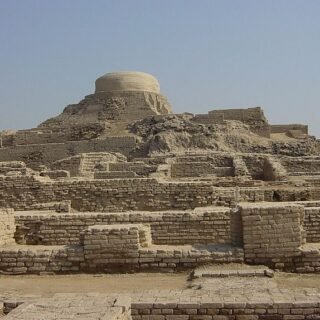
Harappan cities were part of the Indus Valley Civilization (IVC), one of the world’s earliest urban cultures that thrived around 2600–1900 BCE. Located primarily in present-day Pakistan and northwest India,...

Teotihuacan, an ancient Mesoamerican city, stands as one of the most significant archaeological and cultural sites in pre-Columbian America. Located approximately 40 kilometers northeast of modern-day Mexico City, this UNESCO...
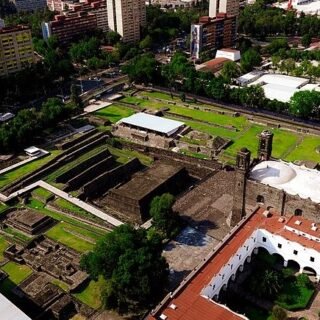
Tlatelolco, also known as Mexico-Tlatelolco, was a significant pre-Columbian city-state, or altepetl, situated in the Valley of Mexico. Its inhabitants, the Tlatelolca, were part of the larger Mexica group, a...

Philip V of Macedon (238–179 BC), known for his charisma, military acumen, and tumultuous reign, was king of the ancient Greek kingdom of Macedon from 221 to 179 BC. His...

Cycladic sculpture refers to a distinctive art form from the Cycladic civilization, which thrived during the Early Bronze Age in the Cyclades, a group of islands in the Aegean Sea,...

Christiane Desroches Noblecourt, a pioneering French Egyptologist, stands as one of the most influential figures in the preservation of ancient monuments, particularly the temples of ancient Egypt. Her contributions to...
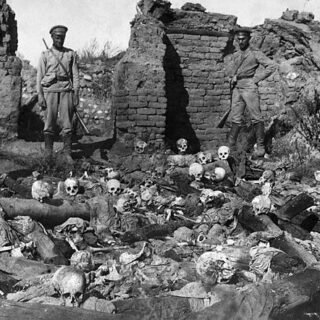
The Armenian Genocide stands as one of the most tragic events of the early twentieth century, characterized by the systematic persecution and annihilation of the Armenian population within the Ottoman...
Vietnam’s history is profoundly shaped by periods of Chinese domination, collectively known as Bắc Thuộc (北屬), meaning “belonging to the north.” Spanning from around 111 BC to 939 AD, with...





