Cats in the Ancient World
The historical significance of cats in the ancient world varied greatly across different cultures. In Egypt, they were revered as divine protectors; in Mesopotamia, they were practical companions; in Persia,...

The historical significance of cats in the ancient world varied greatly across different cultures. In Egypt, they were revered as divine protectors; in Mesopotamia, they were practical companions; in Persia,...

Pets in Ancient Egypt were not only beloved companions but also held spiritual, social, and functional roles within society. The ancient Egyptians had a deep appreciation for animals, integrating them...
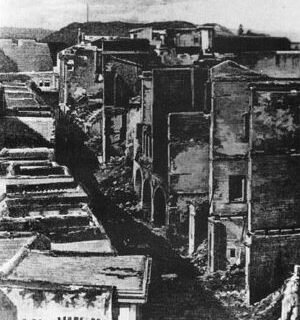
The Cretan Revolt of 1897–1898 marked a turning point in the struggle of the Greek Orthodox population of Crete against Ottoman rule. This insurrection, fueled by decades of religious and...
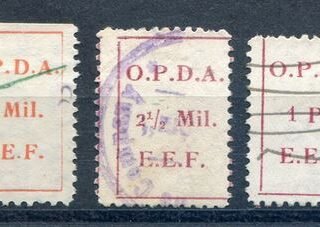
The Ottoman Public Debt Administration (OPDA) was a European-controlled organization established in 1881 to manage and collect payments on the Ottoman Empire’s public debt. This debt primarily stemmed from loans owed...
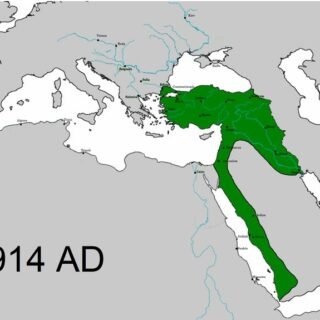
The Late Ottoman period was defined by a convergence of internal reform, external intervention, and far-reaching societal changes. It was an era of ambition and turmoil: administrators hoped to strengthen...

The Han Dynasty (202 BC – 220 AD) stands as one of the most influential and enduring periods in Chinese history. Established by Liu Bang, known posthumously as Emperor Gaozu,...
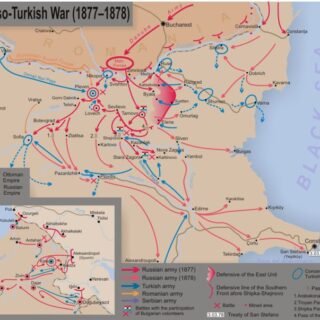
The Russo-Turkish War (1877–1878) pitted the declining Ottoman Empire against an alliance led by the Russian Empire, joined by Romania, Serbia, and Montenegro. Summary The Russo-Turkish War reshaped the Balkans,...

Known today as Djemila, Cuicul was an ancient Roman city located in the mountains of northeastern Algeria. A UNESCO World Heritage site, it stands as one of the most remarkable...

Tláloc is the Aztec god of rain, fertility, and water. He governs thunder, lightning, and hail, symbolizing both life-giving nourishment and destructive power. Who is Tláloc, and what does he...

The Arch of Titus in Rome is a magnificent example of ancient Roman architecture, art, and imperial propaganda. Constructed around 81 CE, this triumphal arch commemorates Emperor Titus’s victory in...

The Arch of Janus was an ancient Roman structure that stood as one of the most mysterious and distinctive monuments in Rome. Situated near the Forum Boarium, the ancient cattle...

The Arch of Constantine in Rome is one of the most famous monuments in the world, standing as a testament to the power and glory of the Roman Empire. This...

The Ogdoad refers to eight primordial gods, divided into four male–female pairs, who embodied fundamental cosmic conditions before the creation of the ordered universe. What is the Ogdoad in ancient...
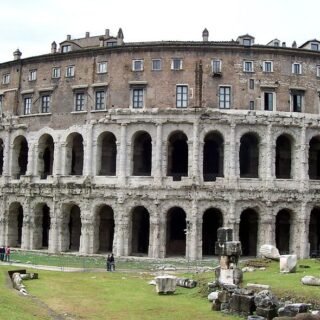
Commissioned by Julius Caesar and completed under the reign of Emperor Augustus around 13 or 11 BCE, the Theatre of Marcellus was dedicated to Augustus’s nephew and heir, Marcus Claudius...
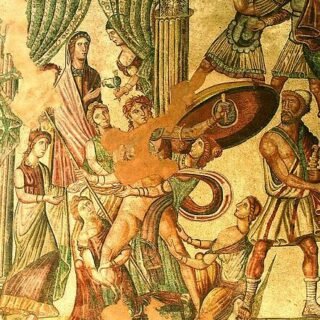
Roman mosaics are one of the most enduring and captivating forms of art from the ancient world. They combine a unique mix of durability, visual appeal, and cultural significance. Mosaic...





