Eleusinian Mysteries Hydria
The Eleusinian Mysteries Hydria is a unique example of ancient Greek pottery that captures the deep cultural and religious significance of the Eleusinian Mysteries—one of the most revered religious ceremonies...
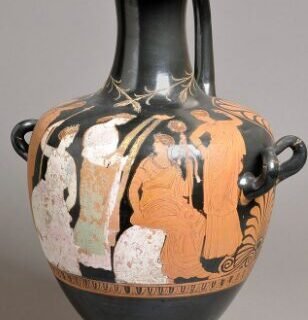
The Eleusinian Mysteries Hydria is a unique example of ancient Greek pottery that captures the deep cultural and religious significance of the Eleusinian Mysteries—one of the most revered religious ceremonies...
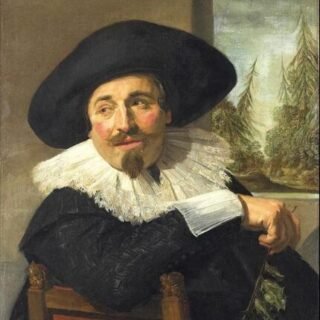
Frans Hals the Elder, born around 1582 and passing in 1666, was a pioneering Dutch painter whose lively and expressive portraits set him apart from his contemporaries. He is remembered...
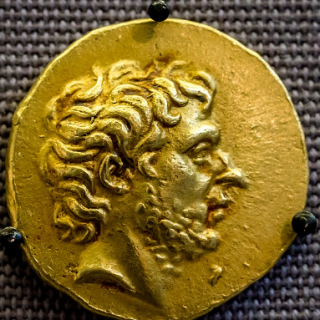
Titus Quinctius Flamininus, a distinguished figure of the late third and early second centuries BC, played a pivotal role in establishing Roman influence in Greece and setting the stage for...
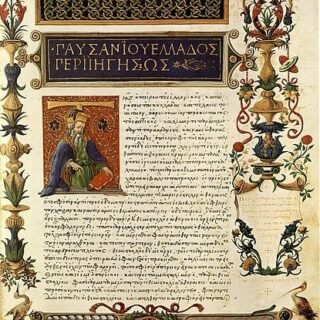
Pausanias, the Greek traveler and geographer, remains one of the most significant figures in the documentation of ancient Greece’s culture, geography, and mythology. Despite the limited information about his personal...

Johannes von Müller (1752–1809) was a Swiss historian whose dedication to documenting Swiss history and broad interests in European politics made him a key figure in Enlightenment-era historical writing. Best...
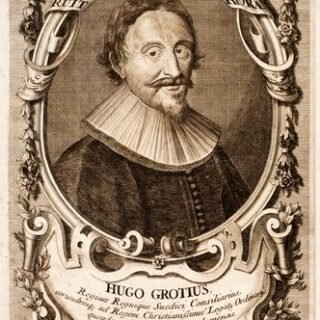
Hugo Grotius (1583–1645), a key figure in the development of international law and modern political theory, was a Dutch intellectual whose works laid foundational principles in law, theology, and philosophy....

In Greek mythology, Aegina is a figure known both as a mortal princess and as a nymph associated with an island that would later bear her name. Aegina’s myth intertwines...
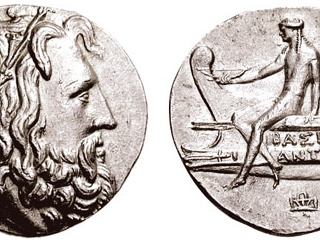
Antigonus III Doson, an important figure of the Hellenistic period, ruled as King of Macedon from 229 to 221 BC. Known for his political tact, military skill, and effective governance,...

Thomas Becket, the Archbishop of Canterbury, was murdered on December 29, 1170, in Canterbury Cathedral. His assassination was a shocking and brutal event, driven by a protracted conflict between him...

John Dickinson, born on November 13, 1732, was a lawyer, politician, and prominent Founding Father of the United States, whose writings and actions greatly influenced the American Revolution. Known as...
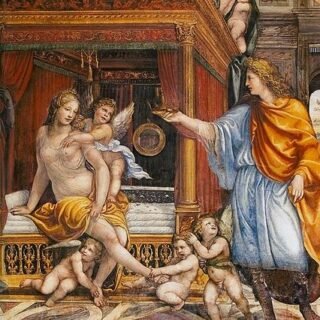
Roxana of Bactria, an influential figure in the ancient world, was born into a noble Bactrian family as the daughter of Oxyartes, a noble who served the satrap Bessus. Her...

General Richard Montgomery’s capture of Montreal on November 13, 1775, was a notable early victory for the American forces in the Revolutionary War, representing one of the most significant achievements...
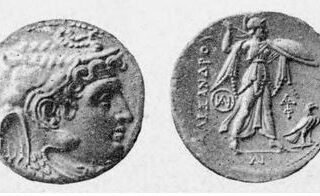
Alexander IV of Macedon (323/322–309 BC) was the son of Alexander the Great and his wife, Roxana of Bactria, who belonged to the Sogdian culture. His life, though brief and...

Geoffrey Chaucer (c. 1343–1400), often celebrated as the “father of English literature,” played a transformative role in shaping the English literary tradition. Renowned for his groundbreaking work The Canterbury Tales,...

Publius Ovidius Naso, known as Ovid, was a prominent Roman poet whose life, works, and literary legacy have made him one of the most enduring figures in classical literature. Born...





