Author: World History Edu
John Lloyd Stephens was an American explorer, writer, and diplomat known for rediscovering Maya civilization and playing a key role in the Panama Railroad project. Early Life John Lloyd Stephens...
Romulus Augustulus was the last emperor of the Western Roman Empire, ruling from 31 October 475 until 4 September 476. He was placed on the throne by his father, Orestes,...
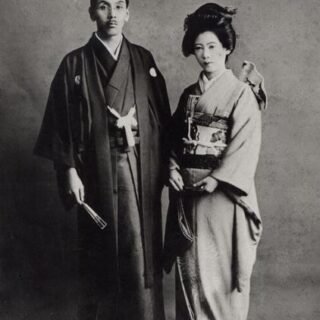
A kimono is a traditional Japanese garment characterized by a T-shaped, wrapped-front design with square sleeves and a rectangular body. It is worn left over right, except for deceased individuals....
Petronius Maximus was a Roman senator who briefly ruled as Western Roman Emperor in 455. He played a key role in the assassinations of Aetius and Valentinian III but was...
Valentinian III was the Western Roman Emperor from 425 to 455. His reign was one of the longest in the Western Empire but was dominated by internal power struggles and...
The siege and subsequent capture of Milan by Attila the Hun in 452 AD was a significant episode in the Hunnic wars against the Western Roman Empire. This event marked...
The Wehrmacht was the unified armed forces of Nazi Germany from 1935 to 1945, consisting of the Heer (army), Kriegsmarine (navy), and Luftwaffe (air force). Origins and Formation The term...
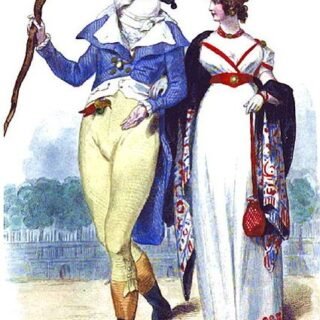
The Incroyables (“Incredibles”) and their female counterparts, the Merveilleuses (“Marvelous Women”), were prominent figures in the extravagant social culture of post-Revolutionary France during the Directory period (1795–1799). Emerging from the...
The mystery of the Princes in the Tower revolves around the fate of King Edward V of England and his younger brother, Richard of Shrewsbury, Duke of York. These young...
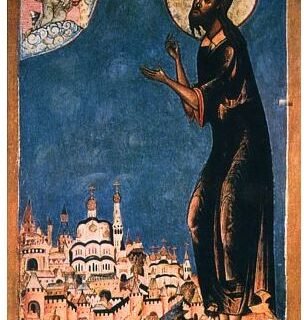
Saint Alexius of Rome, also known as Alexius of Edessa, was a fourth-century Greek monk whose life was marked by humility, self-denial, and unwavering dedication to Christ. His legend exists...
Nur Jahan’s story is one of ambition, resilience, and intellect. Unlike any other Mughal empress, she wielded power in her own right, shaping policies and influencing succession. Birth and Early...
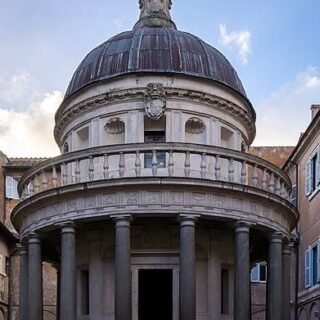
Renaissance architecture emerged as a significant artistic movement between the early 15th and early 16th centuries, marking a departure from the complexity of Gothic architecture and setting the foundation for...
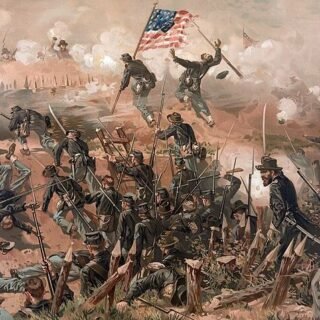
The American Civil War (1861–1865) remains one of the most pivotal conflicts in United States history, shaping the nation’s future by determining the fate of slavery and preserving the Union....
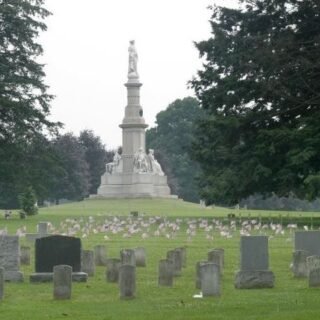
Gettysburg National Cemetery remains a hallowed ground, embodying the sacrifices of those who fought in one of the most pivotal battles in American history. Summary Gettysburg National Cemetery, originally known...
The Middle Kingdom (c. 2045–1782 BC) was a period of reunification and stability following the First Intermediate Period. It included the Eleventh and Twelfth Dynasties, and sometimes part of the...