Mediolanum in Ancient Times
Mediolanum, the ancient city that would eventually evolve into modern-day Milan, has a rich and complex history stretching back over two millennia. Originally founded by the Insubrian Celts, it later...
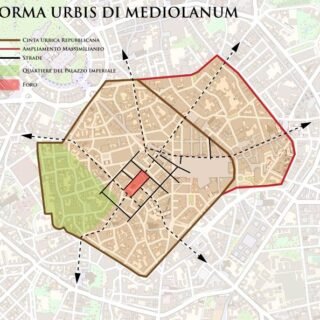
Mediolanum, the ancient city that would eventually evolve into modern-day Milan, has a rich and complex history stretching back over two millennia. Originally founded by the Insubrian Celts, it later...

Prophet Muhammad (S.A.W), the founder of Islam, is known to have had several children, most of whom were born to his first wife, Khadija bint Khuwaylid, except for his son...

UNESCO World Heritage Sites are landmarks of outstanding cultural, historical, or natural significance, recognized and protected under the international framework established by the United Nations Educational, Scientific and Cultural Organization...
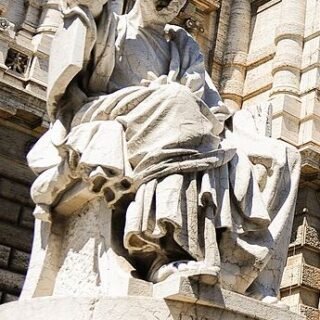
Roman law is one of the most influential legal traditions in history, forming the foundation of many modern legal systems. This legal framework was shaped significantly by Roman jurists—legal scholars...

The Regolini-Galassi Tomb is one of the most significant archaeological discoveries of the 19th century, offering invaluable insight into the wealth, artistry, and funerary customs of early Etruscan civilization. Dating...
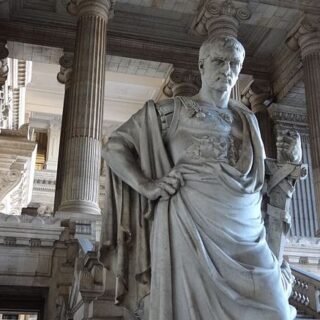
Gnaeus Domitius Annius Ulpianus, commonly known as Ulpian, was a distinguished Roman jurist whose influence on Roman law endures to this day. Born around 170 AD in Tyre, located in...
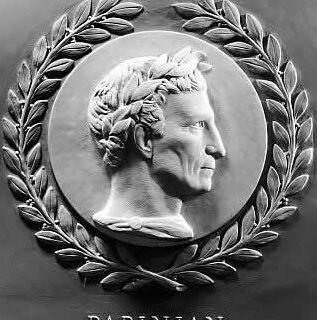
Aemilius Papinianus, commonly known as Papinian, was one of the most revered legal minds in ancient Rome. Born in 142 CE and executed in 212 CE, he was a prominent...
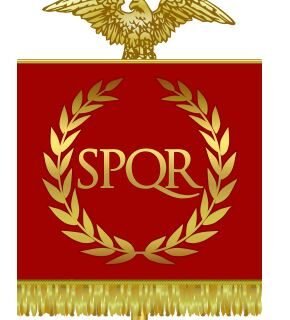
The constitution of the late Roman Empire was an unwritten set of principles and guidelines based on precedent, which centralized power in the hands of the emperor, reducing the influence...
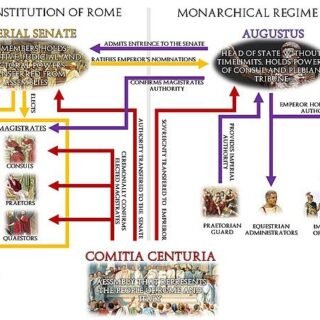
The Principate was the first phase of imperial government in Rome (27 BC–AD 284), characterized by the rule of a single emperor who maintained the illusion of Republican institutions. Etymology...
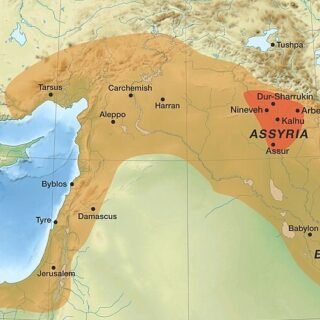
The Neo-Assyrian Empire was the fourth and penultimate stage of Assyrian history, emerging in 911 BC and becoming the dominant power in the Near East, ruling over Mesopotamia, the Levant,...
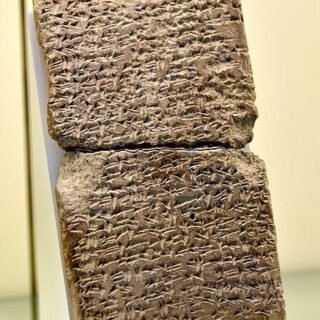
Abdi-Ḫeba, also spelled Abdi-Kheba, Abdi-Ḫepat, or Abdi-Ḫebat, was a chieftain of Jerusalem during the Amarna period, around the mid-1330s BC. His name appears frequently in the Amarna Letters, a collection...
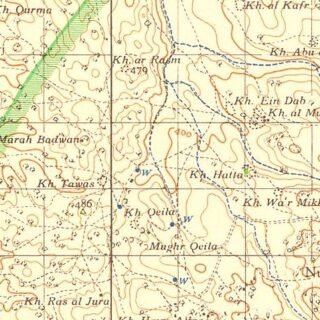
Keilah was a city in the lowlands of the ancient Kingdom of Judah. Today, its ruins are known as Khirbet Qeyla, located near the modern village of Qila in the...
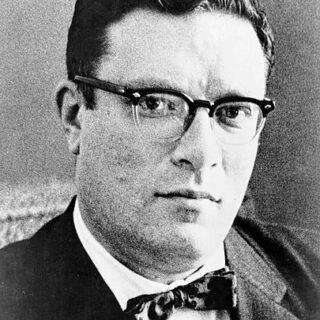
Asimov is best known for his science fiction, particularly the Foundation series, which won the one-time Hugo Award for “Best All-Time Series” in 1966. He also created the Robot series,...
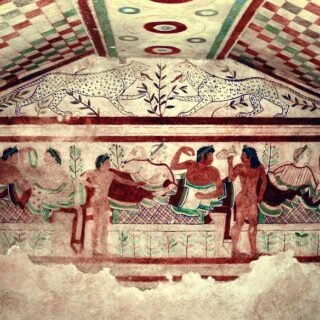
The Etruscans, an ancient civilization that flourished in central Italy between the 8th and 3rd centuries BCE, are renowned for their rich cultural heritage, particularly their elaborate funerary practices. Among...
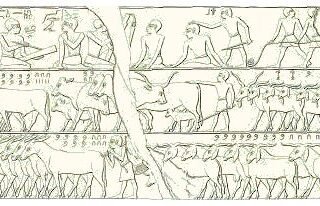
Ancient Egypt was a complex and highly organized society, and one of its most significant bureaucratic achievements was its taxation system. At the heart of this system was the Cattle Count (also...





