1970 Cambodian coup d’état
The 1970 Cambodian coup d’état was the removal of Prince Norodom Sihanouk as Chief of State through a vote in the National Assembly on March 18, 1970, led by Prime...
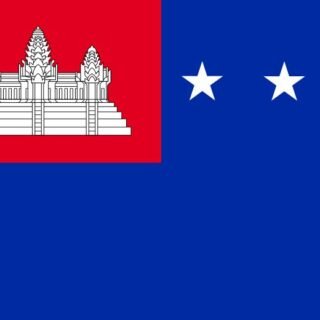
The 1970 Cambodian coup d’état was the removal of Prince Norodom Sihanouk as Chief of State through a vote in the National Assembly on March 18, 1970, led by Prime...
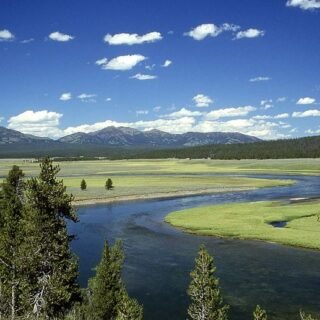
Yellowstone National Park is one of the most iconic natural reserves in the United States, famed for its breathtaking landscapes, geothermal features, and diverse wildlife. Located primarily in the northwest...
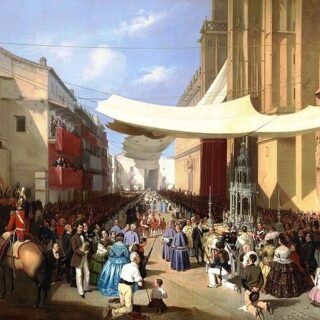
The Feast of Corpus Christi, officially known in Ecclesiastical Latin as Dies Sanctissimi Corporis et Sanguinis Domini Iesu Christi (The Day of the Most Holy Body and Blood of Jesus...

The Roman Empire, known for its vast military conquests and advanced engineering, also excelled in shipbuilding and maritime navigation. Rome’s naval dominance was crucial in securing its Mediterranean trade networks,...
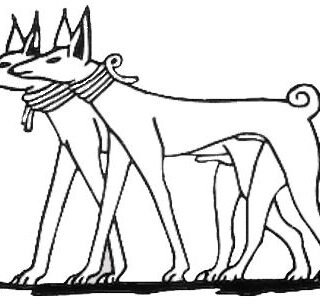
Dogs played a significant role in ancient Egyptian society, fulfilling various functions as hunting companions, guards, pets, and even spiritual entities. Their presence is well-documented in art, literature, and archaeological...
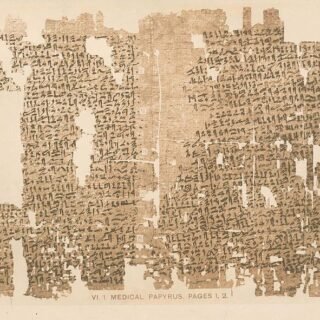
Ancient Egypt was a civilization known for its remarkable advancements in medicine, and it stands out among early societies for its recognition of women in medical professions. Unlike many later...

The Later Roman Empire, spanning from 284 CE to 641 CE, was a period of profound transformation in governance, society, military structure, and religion. The era began with the ascension...

The Yungang Grottoes are among the most significant Buddhist temple grottoes in China, located near Datong in Shanxi Province. These caves, carved during the Northern Wei dynasty, represent a remarkable...

The Dragon Boat Festival (Duanwu Festival) is a traditional Chinese holiday celebrated on the fifth day of the fifth lunar month, usually in late May or early June, featuring dragon...

Mecca, officially known as Makkah al-Mukarramah, is the capital of Mecca Province in the Hejaz region of western Saudi Arabia. It is the holiest city in Islam and a major...
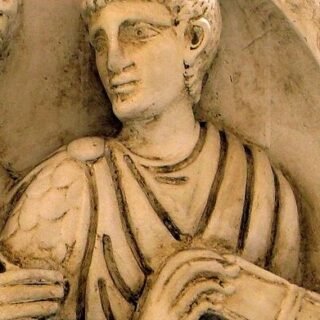
Flavius Aetius was a Roman general and statesman of the late Western Roman Empire, serving as its most powerful figure between 433 and 454. He is best known for his...
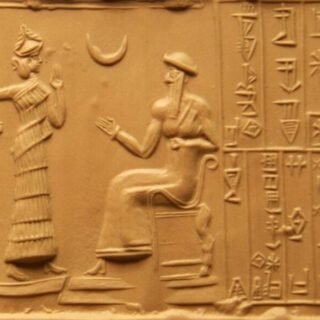
Ur-Nammu was also known as Ur-Namma, Ur-Engur, or Ur-Gur. He was a significant figure in ancient Mesopotamian history. He reigned from approximately 2114 BC to 2092 BC, marking the beginning...
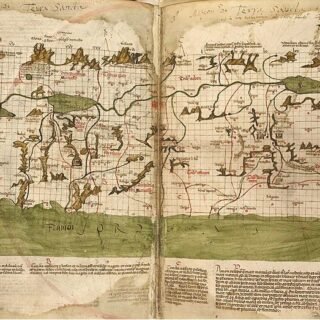
The Holy Land is an area of profound religious, historical, and cultural significance, located roughly between the Mediterranean Sea and the eastern bank of the Jordan River. It is traditionally...

Diocletian was a Roman emperor (reign: 284–305) who stabilized the empire after the Crisis of the Third Century, implemented administrative and military reforms, and introduced the Tetrarchy. Early Life and...

Robert Mangaliso Sobukwe (1924–1978) was a South African anti-apartheid leader whose unwavering belief in African self-determination set him apart from other anti-apartheid activists. Childhood and Family Background (1924–1947) Robert Mangaliso...





