Author: World History Edu
The olive, its cultivation, and its symbolic significance played a central role in the development of ancient Mediterranean civilizations, shaping their economies, diets, religious practices, and artistic expressions. Through its...
Roman walls are one of the most enduring legacies of the Roman Empire, showcasing its engineering prowess, military strategy, and urban planning. These walls served as fortifications, boundaries, and expressions...
H.P. Lovecraft (1890–1937) was a pioneering American writer renowned for his unique contributions to weird, science, fantasy, and horror fiction. Best known for creating the Cthulhu Mythos, his works remain...
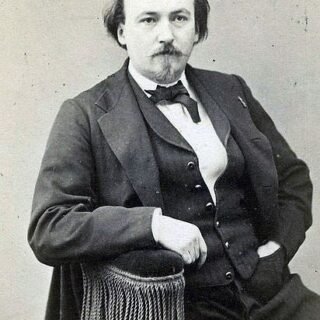
French artist Gustave Doré’s contributions to art and literature are unparalleled. His ability to translate complex narratives into powerful visual imagery revolutionized the way stories were told and perceived. While...
Robert de Boron was a French poet active during the late 12th and early 13th centuries. His influence on the Arthurian tradition is profound, particularly for his Christian reinterpretation of...
The Eritrean War of Independence was a prolonged armed struggle waged by Eritrean insurgents to achieve self-determination and independence from Ethiopia. The conflict spanned from 1961 to 1991, culminating in...
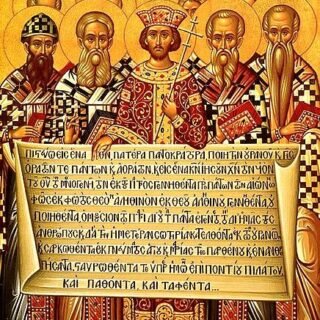
The Nicene Creed, also known as the Creed of Constantinople, stands as one of the most definitive statements of Christian faith. Adopted originally at the First Council of Nicaea in...
The Coptic Orthodox Church is an Oriental Orthodox Christian church based in Egypt, also known as the Coptic Orthodox Patriarchate of Alexandria. It is the largest Christian community in the...
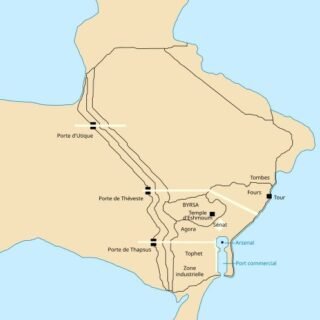
Trade in ancient Carthage was undoubtedly a cornerstone of the ancient Mediterranean economy. It was both extensive and complex, reaching far beyond the boundaries of the city-state of Carthage itself....
Addis Ababa, whose name translates to “New Flower” in Amharic, is Ethiopia’s sprawling capital and most populous city. It has long held significant cultural, political, and diplomatic roles in the...
The Badarian culture represents the earliest direct evidence of agriculture in Upper Egypt during the Predynastic Era. Flourishing between 4400 and 4000 BCE, it might have originated as early as...
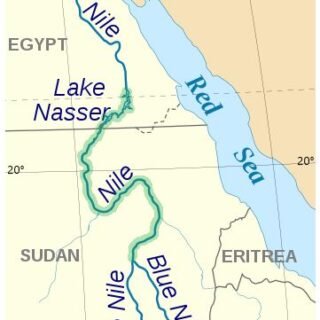
Nubia is a region along the Nile River that spans the areas of modern-day southern Egypt and northern Sudan. It encompasses the confluence of the Blue and White Niles near...
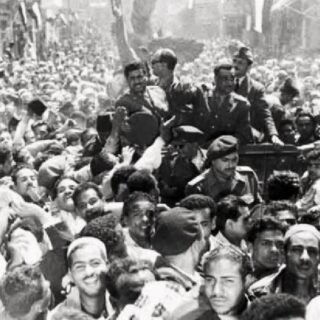
The Egyptian Revolution of 1952, also referred to as the 23 July Revolution, was a transformative event that reshaped Egypt’s political, economic, and social landscape. It marked the end of...
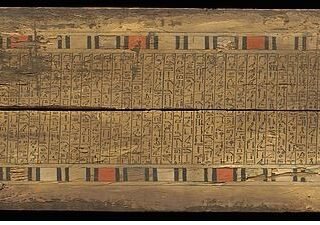
The Coffin Texts are a collection of 1,185 funerary spells written on coffins, tomb walls, and other burial objects during the First Intermediate and Middle Kingdom periods, democratizing access to...
Alexander was a key opponent of Arianism, leading its condemnation at the council. He brought a delegation including his deacon Athanasius, who acted as his spokesman. Early Life Alexander I...