Bab el-Gasus
The discovery and subsequent dispersal of Bab el-Gasus have left a lasting impact on Egyptology, inspiring both scholarly research and public fascination. Efforts such as the “Gate of the Priests”...
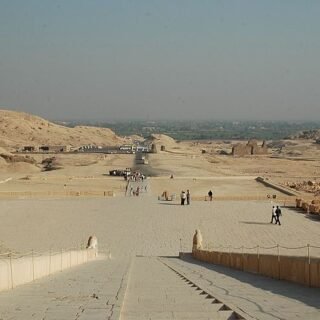
The discovery and subsequent dispersal of Bab el-Gasus have left a lasting impact on Egyptology, inspiring both scholarly research and public fascination. Efforts such as the “Gate of the Priests”...

The Luxor Obelisks, a pair of monumental ancient Egyptian structures, were created over 3,000 years ago during the reign of Pharaoh Ramesses II (circa 1250 BC). These obelisks were carved...

The Opet Festival, known in Ancient Egyptian as ḥb nfr n jpt (“beautiful festival of Opet”), was an essential annual event in Thebes (modern Luxor), celebrated during the New Kingdom...

Cleopatra’s Needles are a pair of ancient Egyptian obelisks that now stand in London and New York City. Originally erected during Egypt’s New Kingdom period, these monumental structures represent centuries...

From its construction during the New Kingdom to its modern-day function as a heritage site, the Luxor Temple embodies continuity and transformation, making it a remarkable example of human creativity...

Thebes, known as Waset to the ancient Egyptians, holds a central place in the history of ancient Egypt. This illustrious city, whose ruins now lie in modern-day Luxor, was a...

The Obelisk of Montecitorio, also known as the Solare, is an ancient Egyptian monument crafted from red granite. Originally erected in Heliopolis during the reign of Pharaoh Psamtik II (595–589...

Seqenenre Tao, also known as Seqenera Djehuty-aa or Sekenenra Taa, was a pivotal ruler of the Seventeenth Dynasty during Egypt’s Second Intermediate Period. Revered for his bravery, he played a...
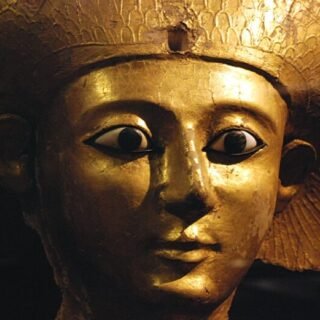
Sijdtjehuti, also known as Satdjehuti, meaning “Daughter of Thoth,” was a significant royal figure in ancient Egypt’s Seventeenth Dynasty. She played a crucial role in the transitional period leading to...

The Red Chapel of Hatshepsut, also known as the Chapelle Rouge, is a significant architectural and religious relic from Ancient Egypt. Built during the reign of Pharaoh Hatshepsut in the...

Senenmut, an influential figure of ancient Egypt’s 18th Dynasty, was an architect and official whose life remains fascinating and enigmatic. His name, translating to “brother of mother,” signifies his unique...

Nectanebo I, who reigned from 379 to 360 BCE, was the founder of Egypt’s 30th Dynasty and one of the last native Egyptian pharaohs to successfully maintain the nation’s independence....

Horemheb, whose name means “Horus is in Jubilation,” was the final pharaoh of Egypt’s 18th Dynasty, ruling from 1319 BCE to 1292 BCE. Unlike many of his predecessors, he was...

Pharaoh Ay was a significant yet enigmatic figure of ancient Egypt’s 18th Dynasty. His brief reign, familial ties, and political maneuvering during a turbulent period highlight his role as a...

Thuya, also spelled as Touiyou, Thuiu, Tuya, Tjuyu, or Thuyu, was an influential figure in ancient Egypt, particularly during the New Kingdom era. Thuya is best known for being notable...





