Ancient Egyptian City of Thinis
Thinis, known as Tjenu in ancient Egyptian, was one of the earliest cities of Upper Egypt. It rose to prominence during the Pre-Dynastic Period (c. 4000–3100 BCE) as the center...

Thinis, known as Tjenu in ancient Egyptian, was one of the earliest cities of Upper Egypt. It rose to prominence during the Pre-Dynastic Period (c. 4000–3100 BCE) as the center...

Khakaure Senusret III, also known as Senwosret III or Sesostris III in its Hellenized form, was one of the most significant pharaohs of ancient Egypt. He ruled during the Twelfth...
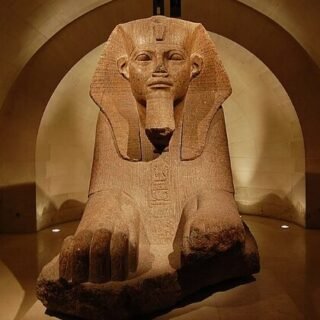
Amenemhat II, also known as Nubkaure Amenemhat II, was the third pharaoh of Egypt’s 12th Dynasty, ruling for at least 35 years. His reign, while relatively long, is marked by...

The First Dynasty of Egypt (c. 3150–c. 2890 BCE) marks a pivotal period in ancient Egyptian history, laying the foundations for the civilization’s future dominance. It witnessed the establishment of...
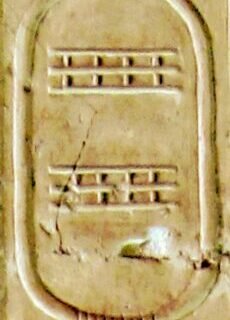
Early Life and Identity Pharaoh Den, also known as Hor-Den, Dewen, or Udimu, ruled during Egypt’s First Dynasty in the Early Dynastic Period. His reign is widely recognized for prosperity...

Merneith, whose name means “Beloved by Neith,” was an important figure in Egypt’s First Dynasty (circa 2950 BCE). Her name signifies her association with the goddess Neith, a deity of...

Herodotus, the ancient Greek historian known as the “Father of History,” wrote extensively about Egypt in his monumental work, Histories. His account of the Egyptians is found primarily in Book II,...

Pharaoh Unas, also spelled Wenis or Unis, was the ninth and final ruler of Egypt’s Fifth Dynasty during the Old Kingdom, reigning approximately from 2345 to 2315 BCE. His reign...
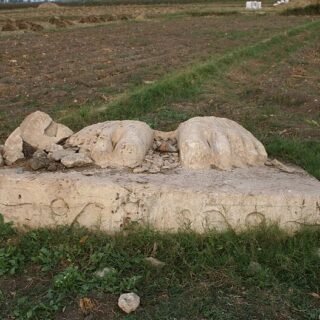
Pi-Ramesses, meaning “House of Ramesses” (pr-rꜥ-ms-sw), was established by Pharaoh Ramesses II during Egypt’s Nineteenth Dynasty (1279–1213 BCE). It was situated at Qantir, near the ancient site of Avaris, a...

The Beautiful Festival of the Valley (hb nfr n jnt) originated in ancient Thebes (modern Luxor) during the Middle Kingdom (c. 2000–1700 BCE). It was initially rooted in funerary practices...

Heliopolis, known as Iunu in Ancient Egyptian, was a major city in Lower Egypt and a focal point of religious and cultural activity. Located in modern northeastern Cairo, encompassing Ain...
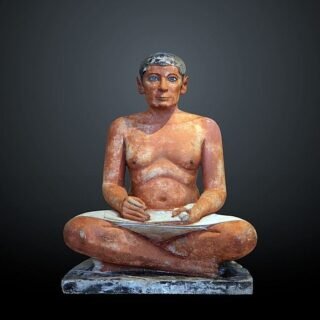
Ancient Egypt’s artistic legacy is one of the most enduring and influential in human history. Spanning over three millennia, Egyptian art is renowned for its remarkable consistency, symbolic depth, and...

Yuya was a prominent figure in ancient Egypt during the Eighteenth Dynasty, around 1390 BC. Renowned for his influence in the royal court and his familial ties to the ruling...

Mutnedjmet, also spelled Mutnodjmet or Mutnedjemet, was a significant figure in ancient Egypt, serving as the Great Royal Wife of Pharaoh Horemheb, a ruler of the 18th Dynasty. Her life,...

The Mortuary Temple of Hatshepsut, known as Djeser-Djeseru (“Holy of Holies”), was commissioned by Pharaoh Hatshepsut, one of ancient Egypt’s most remarkable rulers. Built during her reign in the 18th...





