Christian Traveler and Historian Sextus Julius Africanus
Sextus Julius Africanus (c. 160 – c. 240 AD) was a Christian historian and traveler of the late 2nd and early 3rd centuries. Renowned for his extensive historical works and...

Sextus Julius Africanus (c. 160 – c. 240 AD) was a Christian historian and traveler of the late 2nd and early 3rd centuries. Renowned for his extensive historical works and...

Alexander I of Epirus, also known as Alexander Molossus, was a significant figure in ancient Greek and Italian history. As a member of the Aeacid dynasty and the brother of...

Clytemnestra, a central figure in Greek mythology, is remembered for her complex role as the wife of Agamemnon, the king of Mycenae, and as the half-sister of Helen of Sparta...

The Temple of Apollo at Didyma, also known as the Didymaion, is one of the most celebrated and significant ancient temples dedicated to the Greek god Apollo. Located near the...
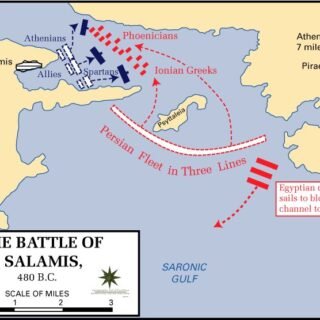
The Battle of Salamis in 480 BCE was a pivotal naval engagement during the Greco-Persian Wars, wherein the Greek city-states, led by Athens and Sparta, faced the massive Persian fleet...

The Athenian calendar is a fascinating construct of ancient Greek timekeeping, deeply rooted in the city-state’s civic and religious life. It reflects the Athenians’ attempt to reconcile the lunar cycle, the solar...
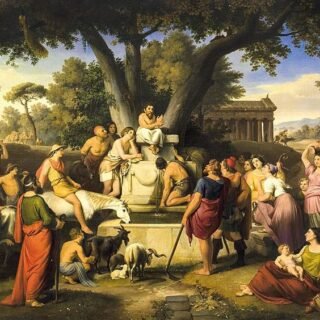
Aesop’s Fables is a collection of stories attributed to Aesop, a storyteller and slave who lived in ancient Greece around the 6th century BCE. These fables are short narratives that...
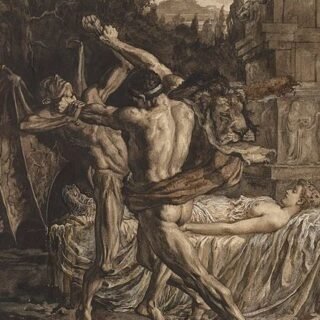
The myth of Hercules and Alcestis, a tale from Greek mythology, illuminates themes of personal excellence and social duty through its characters, their struggles, and the values of ancient Greek society....
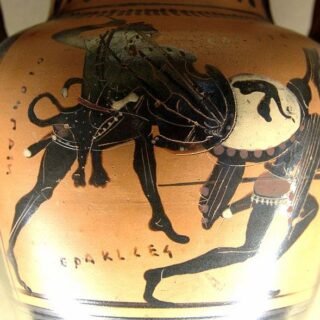
The Shield of Heracles (Aspis Herakleous) is a Homeric Hymn-like epic poem attributed to ancient Greek poet Hesiod, though its authorship remains debated. It recounts a single episode in the life of...

The Temple of Olympian Zeus in Athens, also known as the Olympieion, is one of the most significant monuments of ancient Greece, celebrated for its grandeur, rich history, and cultural symbolism. The...
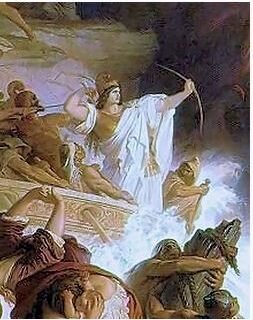
Women in ancient Greece lived under a patriarchal system, often confined to domestic roles and limited rights. However, a number of women defied these norms and left indelible marks on...

Zeno of Citium (c. 334–262 BCE) was a prominent Hellenistic philosopher, founder of the Stoic school of thought, and one of the most influential thinkers in Western philosophy. Much of...
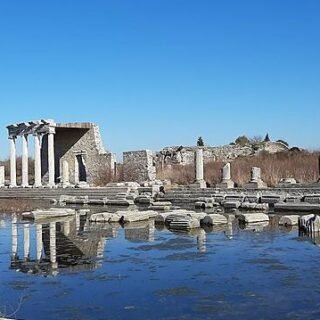
Miletus, an ancient Greek city on Anatolia’s western coast near the Maeander River, was a flourishing hub of culture, trade, and philosophy in Ionia. Renowned for its wealth and influence...
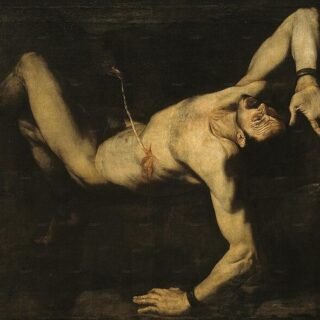
Tityos, also spelled Tityus, was a formidable giant in Greek mythology. Known for his chthonic origins and tragic mythological tale, his story intertwines with the divine, the mortal, and the...

The tetradrachm, a large silver coin from Ancient Greece, emerged around the late 6th century BCE. Its name derives from its value, equating to four drachmae. Initially minted in Athens,...





