Clotho: Spinner of the Thread of Human Life
Clotho, one of the Three Fates (Moirai) in Greek mythology, is a powerful figure who holds significant influence over the course of human life. As the spinner of the thread...

Clotho, one of the Three Fates (Moirai) in Greek mythology, is a powerful figure who holds significant influence over the course of human life. As the spinner of the thread...

Adonis is one of the most captivating figures in Greek mythology. The mortal is widely regarded as a symbol of youthful beauty and the transient nature of life. The myth...
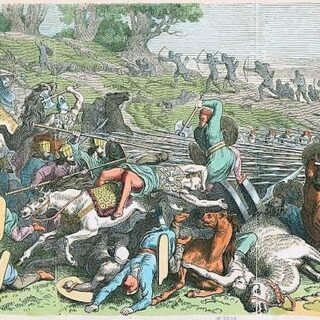
The Greek phalanx was a highly effective and innovative military formation that played a crucial role in the success of ancient Greek armies, especially during the Classical period (circa 5th...

The Moirai, often known as the Fates in Greek mythology, are among the most intriguing and mysterious deities in ancient Greek religion. These three goddesses—Clotho, Lachesis, and Atropos—were believed to...

Lycosura, located in the region of Arcadia in the southern Peloponnese, holds a special place in ancient Greek history and religion. According to the ancient Greek writer Pausanias, Lycosura was...
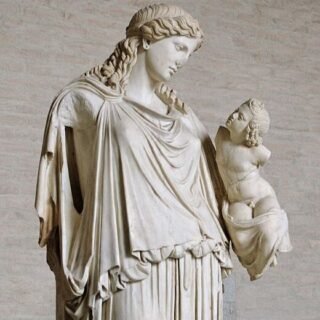
Eirene, also known as Irene, is the Greek goddess and personification of peace, one of the Horae. In Greek mythology, she is typically depicted as a beautiful young woman holding...

Despoina, meaning “The Mistress” in Greek, is a lesser-known but highly significant deity in ancient Greek religion, particularly within the context of Arcadian mythology. Unlike the more famous goddesses such...

Parmenides, a pre-Socratic philosopher from Elea, is best known for his metaphysical ideas, particularly his work titled On Nature (Peri Physeos), which is divided into two main parts: “The Way of Truth”...

Xenophanes of Colophon (c. 570 – c. 475 BCE) was a pre-Socratic philosopher, poet, and social critic from Ionia (modern-day Turkey). Though less known than figures like Plato or Aristotle, Xenophanes was a...
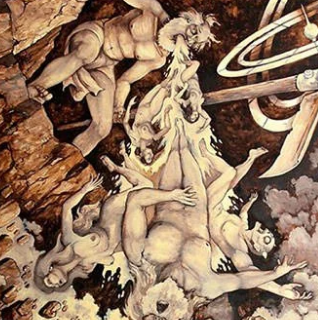
Hesiod, an ancient Greek poet, is best known for his works Theogony and Works and Days. His Theogony, meaning “birth of the gods,” is a fundamental source for Greek mythology, particularly about the origins...

In Greek mythology, Dike is one of the Horae, a trio of goddesses who represent the natural order and the seasons. The Horae are often linked to the cyclical nature...

Epictetus, a Stoic philosopher from the first century CE, presents a unique perspective on the journey from slavery to freedom. Unlike conventional discussions about physical slavery and political freedom, Epictetus’...

Bupalus and Athenis were prominent ancient Greek sculptors from the 6th century BC, renowned for their contributions to the Chian school of marble sculpture. They were the sons of Archermus,...
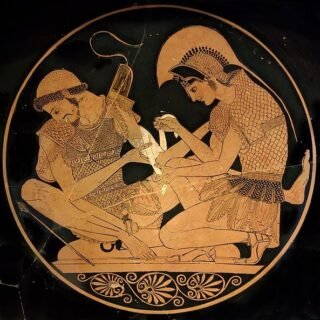
Ancient Greek authors frequently used family as a lens through which to examine personal motivations, moral dilemmas, and the broader social dynamics of their time. Family, or “oikos” in Greek,...
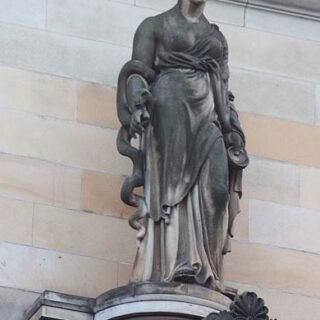
In Greek mythology, Hygieia is a symbol not only of personal health but also of the broader concepts of cleanliness, sanitation, and public health. Below, World History Edu provides a...





