Aegina in Greek Mythology
In Greek mythology, Aegina is a figure known both as a mortal princess and as a nymph associated with an island that would later bear her name. Aegina’s myth intertwines...

In Greek mythology, Aegina is a figure known both as a mortal princess and as a nymph associated with an island that would later bear her name. Aegina’s myth intertwines...

The Erinyes, often known as the Furies in English or the Eumenides when referenced in a less fearsome context, are a trio of goddesses central to themes of vengeance, justice,...

In Greek religion and mythology, chthonic deities are those associated with the earth, the underworld, and the life-sustaining forces of agriculture, growth, death, and rebirth. The term chthonic, derived from...

Patroclus, a significant figure in Greek mythology, is best known for his role in the Iliad, Homer’s epic poem about the Trojan War. As the close companion of Achilles, Patroclus’s life,...

In Greek mythology, Centaurus is a significant yet complex figure whose existence is intertwined with themes of divine interaction, isolation, and the genesis of an extraordinary race of creatures. Centaurus...

Polybius’s life and work reflect his dedication to understanding the complexities of the ancient world through a rational and analytical lens. His experiences in Greece, Rome, and the broader Mediterranean...

Iolcus, an ancient city in Thessaly, Greece, holds a unique place in Greek mythology and history. Best known as the starting point for the legendary journey of Jason and the...

The concept of the afterlife in ancient Greece was complex and varied over time, reflecting the religious, philosophical, and mythological beliefs that evolved through centuries. It was deeply tied to...

In Greek mythology, the story of Heracles and Lichas is a dramatic tale intertwined with themes of loyalty, betrayal, and tragic consequences. Heracles, also known as Hercules in Roman mythology,...

Nessus is a notable centaur in Greek mythology, renowned for his tragic role in the story involving Heracles (Hercules in Roman Mythology) and Deianeira. The tale of Nessus not only...

Themistocles was one of ancient Greece’s most prominent politicians and military leaders. He was instrumental in securing Athens’ survival and shaping the course of Greek history during the Persian Wars. Born...

Charon, the ferryman of the dead in Greek mythology, is one of the most enduring figures associated with the Greek concept of the afterlife. His role as a psychopomp—a guide...
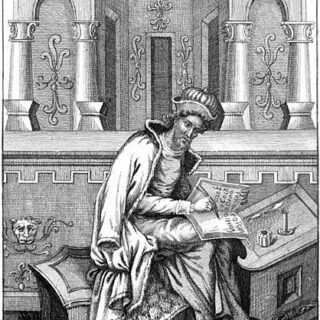
Dionysius of Halicarnassus (c. 60 BC – after 7 BC) was a prominent Greek historian, teacher of rhetoric, and literary critic, best known for his monumental historical work Roman Antiquities (Rhōmaikē Archaiologia)....

Tantalus is one of the more infamous figures in Greek mythology. He is primarily known for the severe punishment he received in the afterlife. His story is significant both in...
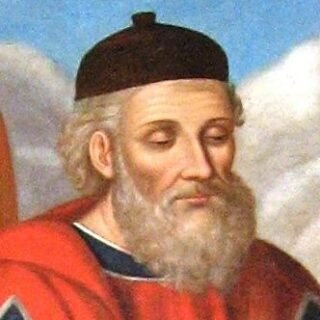
Diodorus Siculus, a Greek historian who lived in the 1st century BCE, is most famous for his Bibliotheca Historica, a massive 40-book historical work covering events from mythological times to his...





