Christian Traveler and Historian Sextus Julius Africanus
Sextus Julius Africanus (c. 160 – c. 240 AD) was a Christian historian and traveler of the late 2nd and early 3rd centuries. Renowned for his extensive historical works and...

Sextus Julius Africanus (c. 160 – c. 240 AD) was a Christian historian and traveler of the late 2nd and early 3rd centuries. Renowned for his extensive historical works and...
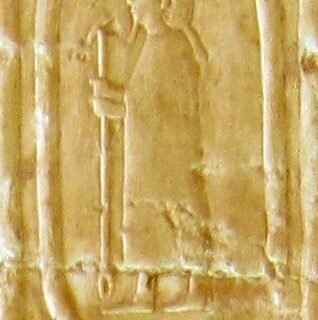
Semerkhet, whose Horus name translates as “Companion of the Divine Community,” was an enigmatic ruler of Egypt’s First Dynasty. His reign is shrouded in mystery and controversy, marked by both...
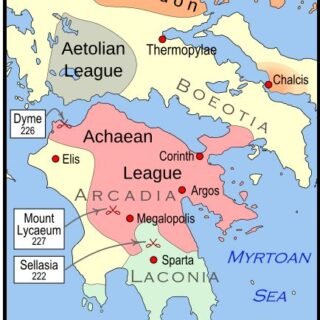
The Social War, also known as the War of the Allies or the Aetolian War, was a significant conflict fought between the Hellenic League, under Philip V of Macedon, and...
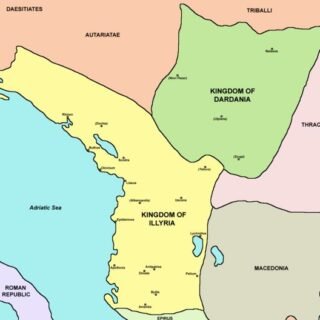
The Illyrian Kingdom was a prominent political entity on the western Balkan Peninsula in antiquity. It united various Illyrian tribes under a central monarchy, with rulers titled “King of the...
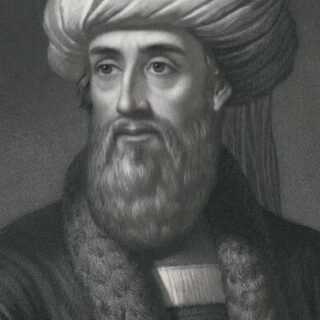
Flavius Josephus, born Yosef ben Mattityahu around AD 37 in Jerusalem, was a prominent Roman-Jewish historian and military leader. His works, particularly The Jewish War and Antiquities of the Jews,...
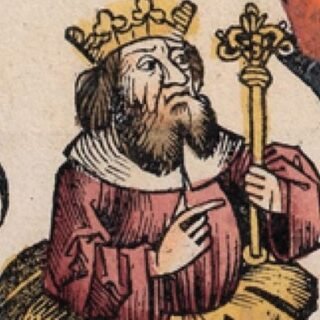
Herod Archelaus, born in 23 BCE and ruling from 4 BCE to 6 CE, was the ethnarch of Samaria, Judea, and Idumea. He was the son of Herod the Great...
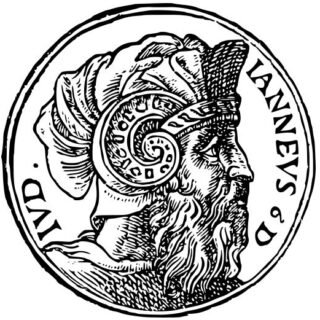
Alexander Jannaeus was the second king of the Hasmonean dynasty, ruling Judaea from 103 to 76 BCE. His reign marked a transformative yet conflict-ridden era in Jewish history. A son...

Eannatum was a prominent Sumerian ensi (ruler or king) of Lagash, reigning around 2500–2400 BCE. He established one of the earliest recorded empires, extending his influence across Sumer, Akkad, and...

Lagash (modern Al-Hiba, Iraq) was one of the most prominent city-states in ancient Sumer, flourishing as a center of power, culture, and religion in the Ancient Near East. Located near...

Nanshe was a multifaceted deity of the Mesopotamian pantheon. Associated with water bodies, particularly the sea and marshlands, she was revered as a goddess of justice, dream interpretation, divination, and...

Ancient Egyptian amulets were small, portable objects crafted from various materials, including faience, stone, and metal, and imbued with deep spiritual significance. They held not only protective power but also...

The Three Kingdoms period (220–280 AD) followed the collapse of the Han dynasty and was marked by a tripartite division of China into Cao Wei, Shu Han, and Eastern Wu....

Pompeii, the ancient Roman city preserved by the catastrophic eruption of Mount Vesuvius in 79 AD, provides invaluable insight into Roman daily life through its architecture, art, and especially its...

Slavery in ancient Rome was a fundamental component of society, both economically and socially. Roman slavery had unique characteristics that distinguished it from other historical forms of slavery, and it...
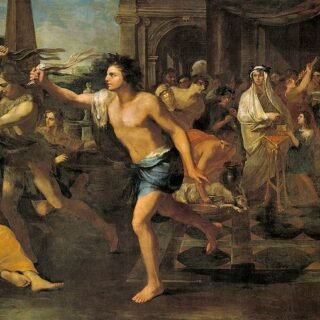
Religion in Ancient Rome was polytheistic, with a pantheon of gods and goddesses overseeing various aspects of life and nature. The Roman calendar was replete with festivals dedicated to these...





