Category: Ancient History
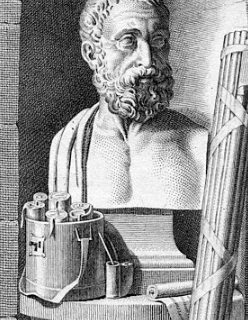
Diogenes Laërtius stands as a pivotal figure in the preservation of ancient Greek philosophy. Renowned for his comprehensive biographical work, “Lives and Opinions of Eminent Philosophers,” he has provided invaluable...
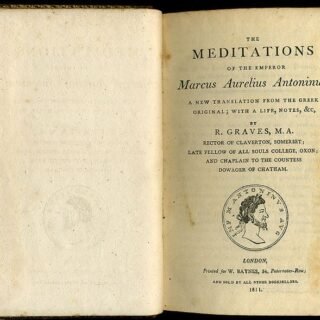
“Meditations” is a profound collection of personal reflections written by Roman Emperor Marcus Aurelius between 170 and 180 CE. Composed in Greek, the work was likely intended for private contemplation...
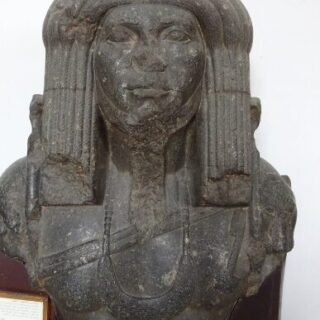
Berenice III of the Ptolemaic Dynasty was a significant figure in ancient Egyptian history, embodying the intricate blend of Greek and Egyptian cultures that characterized her lineage. Her life was...
Pharaoh Amenemhat III, the sixth ruler of Egypt’s Twelfth Dynasty during the Middle Kingdom, reigned during a golden age marked by cultural, economic, and architectural achievements. His tenure is notable...
Aristippus of Cyrene was a prominent philosopher and the founder of the Cyrenaic school of philosophy, known for its emphasis on hedonism—the pursuit of pleasure as the highest good. His...
Ancient Greek philosophy stands as a cornerstone of Western intellectual tradition, profoundly shaping subsequent developments in philosophy, science, politics, and the arts. Emerging in the 6th century BCE, Greek thinkers...
Summary Son of Ptolemy VIII and Cleopatra III, Ptolemy X initially governed Cyprus but declared himself king in 114 BC. In 107 BC, Cleopatra III, after feuding with his brother...
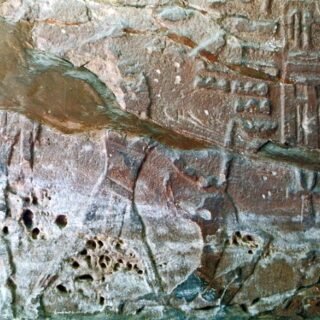
Nyuserre Ini was the sixth ruler of Egypt’s Fifth Dynasty during the Old Kingdom, reigning approximately between 24 and 35 years in the mid-25th century BCE. His name means “Possessed...
Tacitus, a Roman historian renowned for his incisive and critical writing, provides one of the most vivid accounts of the Battle of Mons Graupius, an event that occurred in AD 83...
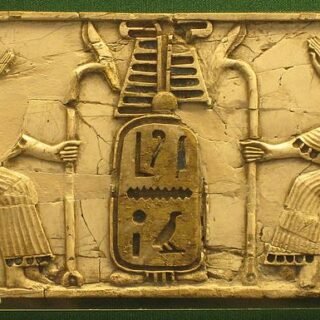
The Nimrud Ivories are a remarkable collection of carved ivory artifacts that provide an invaluable glimpse into the artistic, cultural, and historical landscape of the ancient Near East. Found in...
Athena Parthenos, crafted by the renowned ancient Greek sculptor Phidias, was one of the most celebrated masterpieces of classical antiquity. Standing within the Parthenon on the Athenian Acropolis, this colossal...
Marcus Aurelius, often regarded as the philosopher-emperor, ruled the Roman Empire from 161 to 180 AD. His reign was characterized by a commitment to Stoic principles, ethical governance, military strategy,...
Ur-Baba, also known as Ur-Bau, was a prominent ensi (ruler) of the ancient Sumerian city-state Lagash. His leadership spanned a critical period in Mesopotamian history, marked by the decline of...
Roman historiography stands as one of the most influential traditions in the annals of historical writing. Spanning from the early Republic to the twilight of the Empire, Roman historians meticulously...
Gudea stands out as one of the most illustrious ensi (governor) of Lagash, a prominent city-state in Southern Mesopotamia. His reign, spanning approximately from 2144–2124 BC (middle chronology) or 2080–2060...