What caused the Babylonian captivity?
The Babylonian Captivity, spanning 597–539 BCE, stands as a transformative period in Jewish history. This era witnessed the forced deportation of Judeans from the Kingdom of Judah to Babylon by...
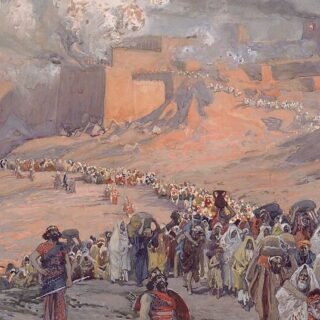
The Babylonian Captivity, spanning 597–539 BCE, stands as a transformative period in Jewish history. This era witnessed the forced deportation of Judeans from the Kingdom of Judah to Babylon by...

Judah’s revolts against the Neo-Babylonian Empire were deeply rooted in the geopolitical struggles of the 7th and 6th centuries BCE. During this period, Egypt was the dominant power in the...
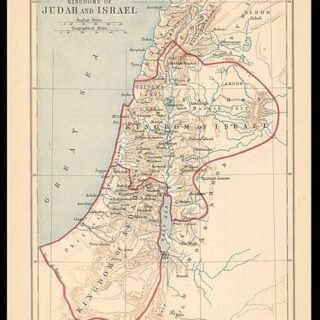
The history of ancient Israel and Judah is a multifaceted narrative, shaped by cultural, political, and religious developments that evolved over centuries. Emerging from the highlands of Canaan, the Israelite...
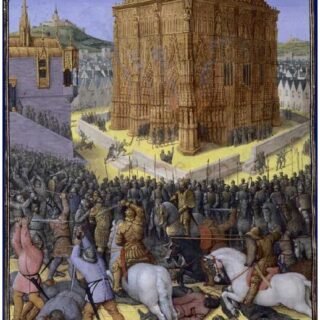
The Siege of Jerusalem by Nebuchadnezzar II in 587 BC was a critical turning point in Jewish history. This event marked the culmination of a prolonged struggle between the Kingdom...
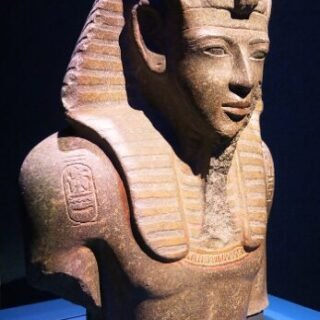
Ancient Egyptian pharaoh Merneptah’s life and reign unfolded against a backdrop of dynastic complexity, shifting geopolitical currents, and the monumental legacy of his illustrious predecessor. He inherited an empire at...
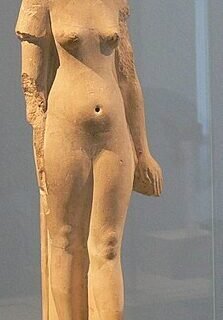
The Standing Figure of Nefertiti is a masterpiece from Ancient Egypt, dating back to approximately 1350 BC during the reign of Pharaoh Akhenaten in the Amarna Period. This era marked...
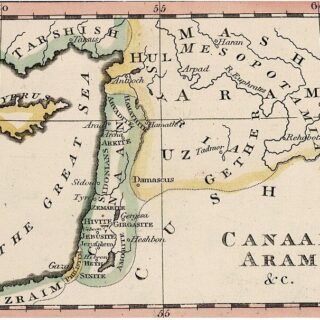
Canaan was a region of profound cultural, linguistic, and political importance in the ancient Near East. Occupying a strategic area within the Southern Levant, it played a critical role as...
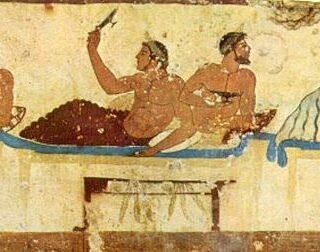
Greek philosophy has profoundly shaped Western thought, offering foundational texts that explore a wide array of subjects, from ethics and politics to metaphysics and aesthetics. In the article below, World...

Ptolemy IX Soter, nicknamed Lathyros (“Chickpea”), was a central figure in the later years of the Ptolemaic dynasty, which ruled Egypt after Alexander the Great’s death. His life was marked...
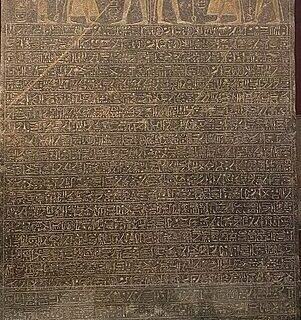
The Merneptah Stele, carved during the reign of Pharaoh Merneptah in ancient Egypt’s 19th Dynasty, stands as a vital historical artifact that sheds light on regional politics, military endeavors, and...
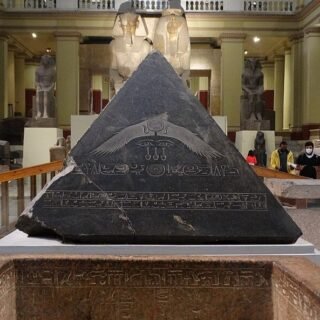
The pyramidion of Amenemhat III, often regarded as a pinnacle of ancient Egyptian craftsmanship and symbolism, originates from the 12th Dynasty during the Middle Kingdom (circa 1850 BC). It was...

The Amarna Period began during the 18th Dynasty of ancient Egypt, under the reign of Pharaoh Amenhotep IV, later known as Akhenaten (1353–1336 BCE). This era is named after the...
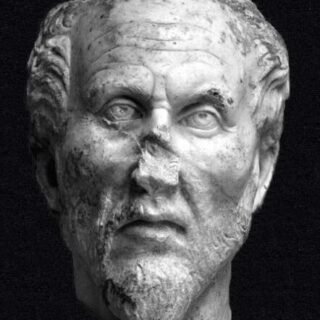
The Enneads encapsulate Greek Platonist philosopher Plotinus’s extensive philosophical inquiries, thoughtfully arranged by Porphyry to facilitate a structured exploration of Neoplatonic thought. This compilation not only preserves Plotinus’s legacy but...
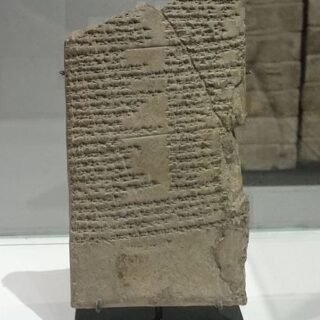
“The Dialogue between a Man and His God” is a pivotal Akkadian text that delves into the ancient discourse on theodicy—the justification of divine allowance of evil and suffering. As...
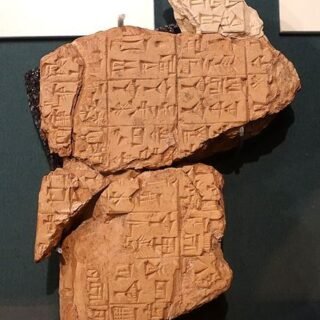
Wisdom literature stands as a cornerstone in the literary traditions of the Ancient Near East, offering profound insights into the ethical, social, and spiritual dimensions of early civilizations. This genre,...





