The Ancient Egyptian Epic of the Shipwrecked Sailor
“The Tale of the Shipwrecked Sailor” is an ancient Egyptian literary work that dates back to the Middle Kingdom (circa 2000-1700 BCE). This captivating narrative is often considered one of...
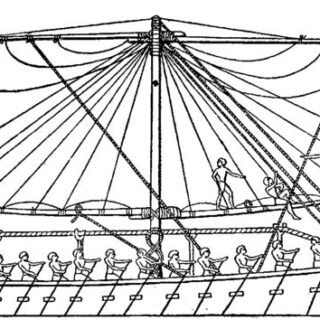
“The Tale of the Shipwrecked Sailor” is an ancient Egyptian literary work that dates back to the Middle Kingdom (circa 2000-1700 BCE). This captivating narrative is often considered one of...

Located in the Lombardy region of northern Italy, Como is widely described as a picturesque city. The city has a rich cultural and historical heritage that has given rise to...
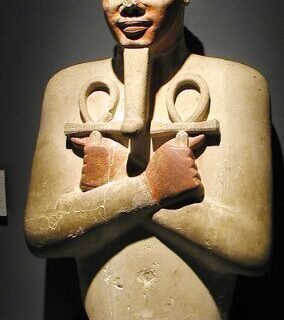
Senusret I, also known as Sesostris I, was the second pharaoh of Egypt’s Twelfth Dynasty, which is considered part of the Middle Kingdom period (c. 1971 BC – 1926 BC)....

Independence Hall, located in Philadelphia, Pennsylvania, is one of the most historically significant buildings in the United States. It played a central role in the birth of the nation, serving...

Lycosura, located in the region of Arcadia in the southern Peloponnese, holds a special place in ancient Greek history and religion. According to the ancient Greek writer Pausanias, Lycosura was...
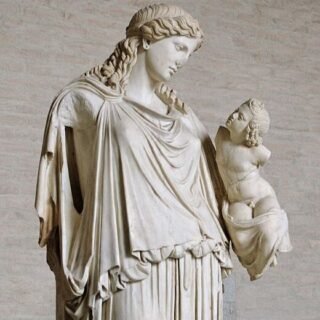
Eirene, also known as Irene, is the Greek goddess and personification of peace, one of the Horae. In Greek mythology, she is typically depicted as a beautiful young woman holding...

Dumuzid, also known as Tammuz in later Akkadian traditions, is a central figure in the mythology of ancient Mesopotamia. His story, woven with elements of love, death, resurrection, and the...

Despoina, meaning “The Mistress” in Greek, is a lesser-known but highly significant deity in ancient Greek religion, particularly within the context of Arcadian mythology. Unlike the more famous goddesses such...

The mušḫuššu is a prominent mythological creature from ancient Mesopotamian culture, recognized for its distinctive hybrid form. In various ancient texts and art, the creature is portrayed as part serpent,...

Heraclitus of Ephesus, an ancient Greek philosopher (circa 535-475 BCE), is most famous for his ideas about the constant change and flux in the universe. His works have survived only...
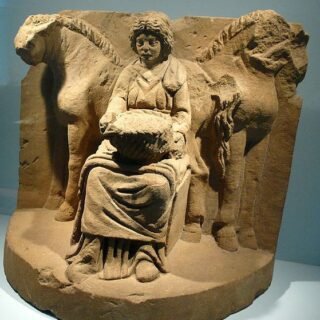
Epona is a Celtic goddess associated with horses, fertility, and protection, primarily worshipped in the Roman Empire during the 1st through 3rd centuries AD. Her origins can be traced back...
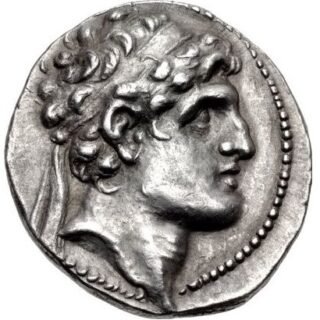
Alexandros I Balas was a controversial and enigmatic figure who claimed the Seleucid throne during the Hellenistic period in the mid-2nd century BCE. His life and reign are marked by...

Ningishzida, an ancient Mesopotamian deity, held a significant place in Sumerian and Akkadian religious traditions. His name, often translated as “Lord of the Good Tree,” reflects his strong associations with...
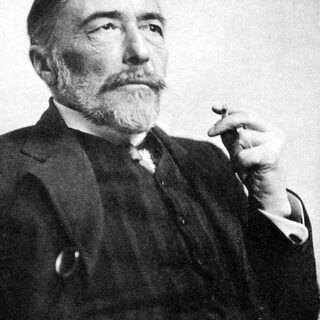
Joseph Conrad, born Józef Teodor Konrad Korzeniowski on December 3, 1857, in Berdychiv, Poland (now in Ukraine), was a Polish-British novelist whose literary contributions have cemented him as one of...

The Meroë Head is an extraordinary artifact of ancient history, offering insight into the cultural and political intersections between the Roman Empire and the Kingdom of Meroë, which flourished in...





