The Types of Jobs that Existed in Ancient Egypt
Ancient Egypt, one of the world’s most advanced early civilizations, thrived for over three millennia along the banks of the Nile River. The Egyptian economy and society were highly structured,...
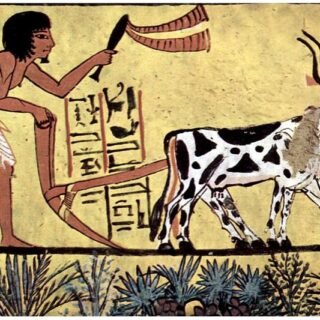
Ancient Egypt, one of the world’s most advanced early civilizations, thrived for over three millennia along the banks of the Nile River. The Egyptian economy and society were highly structured,...

Cyaxares II, a disputed Median king mentioned in Xenophon’s Cyropaedia, is absent from Herodotus’ account. Some scholars equate him with “Darius the Mede” from the Book of Daniel, fueling historical...
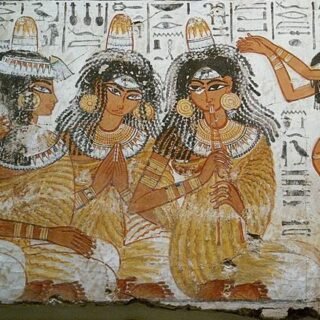
Music and dance played an integral role in the cultural, religious, and social life of ancient Egypt. From temple ceremonies and royal banquets to everyday entertainment and funerary rites, these...
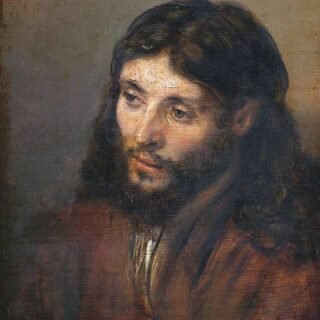
Judaism fundamentally rejects the idea that Jesus of Nazareth was the Messiah, a prophet, or the Son of God. The core theological disagreements between Judaism and Christianity stem from monotheism,...

The Second Coming, also known as the Second Advent or Parousia, is a central doctrine in Christian eschatology that refers to the future return of Jesus Christ to Earth. According...

Wahibre Psamtik I was the first pharaoh of Egypt’s Twenty-sixth Dynasty, ruling from circa 665 to 610 BC. Installed by the Neo-Assyrian Empire, he later unified Egypt, expanded its influence,...

The Roman province of Africa was one of the most significant territorial acquisitions of the Roman Republic and later the Roman Empire. Established in 146 BC following the Roman victory...
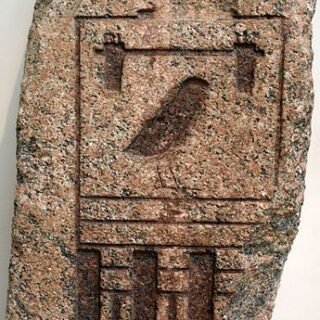
The royal titulary, also known as the royal protocol, was a system of five names used by the pharaohs of ancient Egypt. It symbolized both their divine and earthly authority...
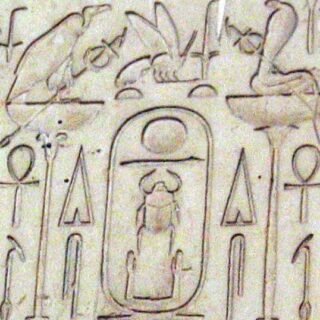
The Nebty name, also called the “Two-Ladies name,” was one of the five great names of Egyptian pharaohs and among the oldest royal titles. Etymology The Nebty name, also referred...

Rastafari is an Abrahamic religion and social movement that emerged in Jamaica in the 1930s, blending Christian and Afrocentric beliefs while revering Haile Selassie as a central figure. Summary Rastafari...

The Festivals of the Twin Birthdays, also known as the Twin Holy Birthdays, refer to two sacred days in the Bahá’í calendar that celebrate the births of the two most...
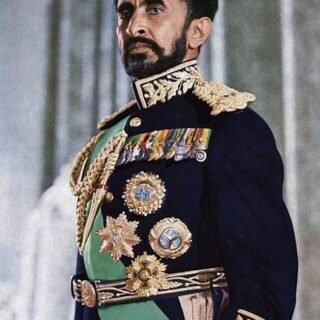
Haile Selassie, the former Emperor of Ethiopia, holds a central role in Rastafari belief, where he is often regarded as divine. This recognition stems from a combination of biblical interpretation,...
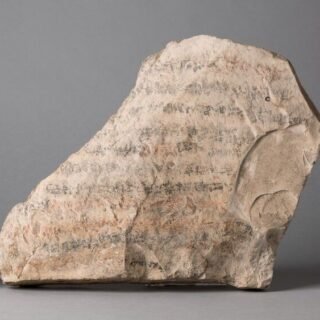
The Satire of the Trades is an ancient Egyptian text that provides a vivid portrayal of various professions, offering insights into Egyptian society, labor hierarchies, and cultural attitudes toward different forms of...

The Báb, born as ʿAlí Muḥammad in 1819 in Shiraz, Iran, was the founder of the Bábí Faith and a central figure in the Baháʼí Faith. His mission was to...

Kamose was the final ruler of the Theban Seventeenth Dynasty at the end of the Second Intermediate Period. His reign, often estimated at three years but sometimes extended to five...





