The Four-Room House
The four-room house is a distinctive architectural form that emerged in the ancient Southern Levant during the Iron Age (1200–586 BCE). Its consistent layout—a central courtyard surrounded by three long...

The four-room house is a distinctive architectural form that emerged in the ancient Southern Levant during the Iron Age (1200–586 BCE). Its consistent layout—a central courtyard surrounded by three long...
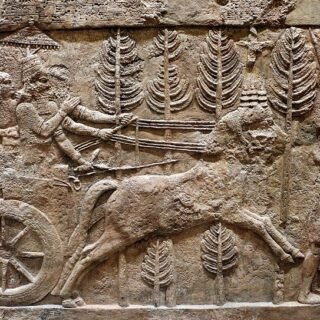
Sargon II, one of the greatest kings of the Neo-Assyrian Empire, ruled from 722 to 705 BCE, navigating an era defined by complex geopolitics, formidable enemies, and relentless military campaigns....
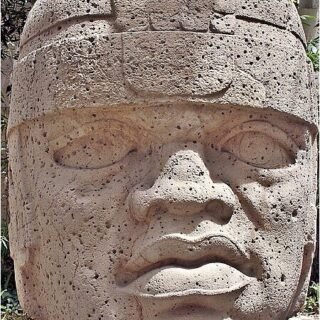
The Olmec colossal stone heads are some of the most iconic and mysterious artifacts of ancient Mesoamerican history. These massive stone sculptures, carved from basalt, are a defining feature of...
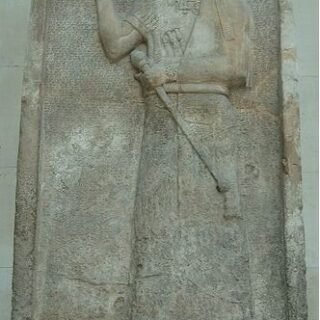
The Banquet Stele of Ashurnasirpal II is one of the most fascinating artifacts from the Neo-Assyrian period, offering a window into the political, cultural, and social practices of ancient Mesopotamia during the...

Nero’s Golden House, or Domus Aurea, was one of the most extravagant and infamous architectural projects in ancient Rome. Commissioned by the Roman Emperor Nero after the Great Fire of Rome...
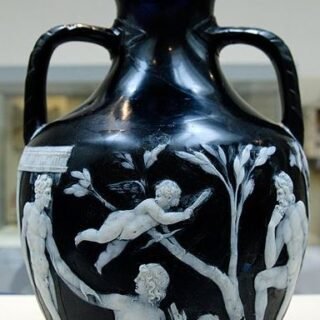
The Portland Vase is one of the most celebrated artifacts of the ancient world, renowned for its exquisite craftsmanship, mystery, and significant influence on Western art. This Roman cameo glass...

The Queen of the Night is a title with broad associations across history, mythology, and culture. Its origins and meanings vary, ranging from depictions in ancient Mesopotamian art and mythology to...

The Nazca Lines are a series of ancient geoglyphs etched into the arid desert plains of southern Peru, near the modern town of Nazca. These lines and designs, some spanning...

The Accra Riots of February 28, 1948, marked a pivotal moment in the history of the Gold Coast (present-day Ghana) as it moved toward independence from British colonial rule. These...

The Mausoleum of Augustus is a monumental tomb in Rome, Italy, built by Emperor Augustus as his final resting place and that of his family members. Constructed between 28 and...
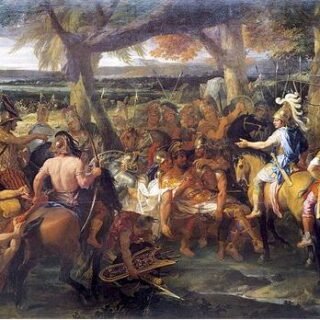
The Battle of Hydaspes, fought in 326 BCE, stands as one of the most remarkable confrontations in ancient military history. This decisive engagement between Alexander the Great and King Porus...

Tel Gezer is a significant archaeological site located in central Israel as it has a rich history spanning thousands of years. Excavations at Tel Gezer have revealed evidence of occupation...

The Temple in Jerusalem—often referred to as the “Holy Temple”—was a monumental and sacred structure central to Judaism and its religious history. Over centuries, it became the focal point of worship,...
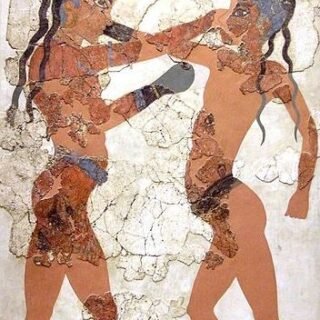
The Akrotiri Frescoes are among the most celebrated archaeological discoveries in the world, offering a glimpse into the vibrant life of a Bronze Age Aegean civilization. Unearthed in the ancient...
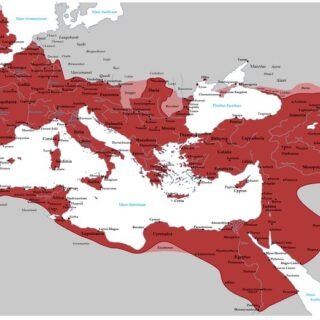
The Roman Empire was one of the largest and most influential political entities in world history, encompassing vast territories across Europe, North Africa, and the Middle East. At its peak,...





