Amenemhat II: Life, Family, Reign, & Accomplishments
Amenemhat II, also known as Nubkaure Amenemhat II, was the third pharaoh of Egypt’s 12th Dynasty, ruling for at least 35 years. His reign, while relatively long, is marked by...
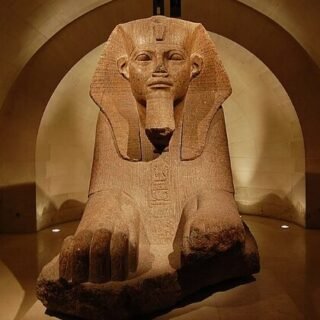
Amenemhat II, also known as Nubkaure Amenemhat II, was the third pharaoh of Egypt’s 12th Dynasty, ruling for at least 35 years. His reign, while relatively long, is marked by...

Yama, the Hindu god of death and justice, holds a pivotal role in mythology and religious traditions. Known as Dharmarāja (lord of dharma) and Kāla (time), Yama governs the afterlife,...
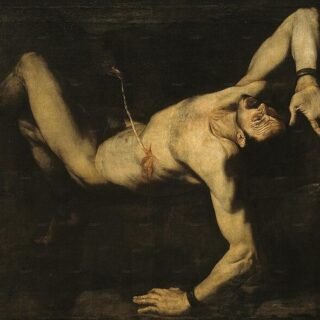
Tityos, also spelled Tityus, was a formidable giant in Greek mythology. Known for his chthonic origins and tragic mythological tale, his story intertwines with the divine, the mortal, and the...

The tetradrachm, a large silver coin from Ancient Greece, emerged around the late 6th century BCE. Its name derives from its value, equating to four drachmae. Initially minted in Athens,...

Svarga, also known as Swarga, Indraloka, or Svargaloka, is the celestial abode in Hindu cosmology. It is one of the seven higher lokas or esoteric planes. Svarga is often translated...

The cosmic egg, also known as the world or mundane egg, is a powerful symbol of creation found in myths across numerous cultures throughout history. Representing the origins of the...

The First Dynasty of Egypt (c. 3150–c. 2890 BCE) marks a pivotal period in ancient Egyptian history, laying the foundations for the civilization’s future dominance. It witnessed the establishment of...
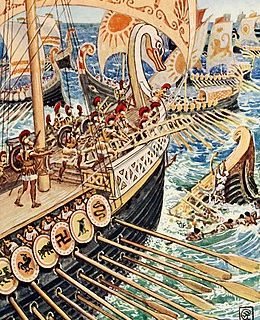
The Battle of Salamis, fought in 480 BCE, stands as one of the most pivotal naval engagements in ancient history. Occurring during the second Persian invasion of Greece, this confrontation...
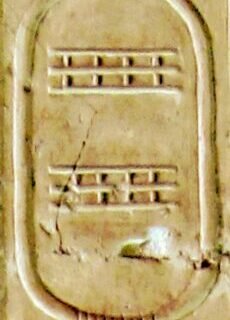
Early Life and Identity Pharaoh Den, also known as Hor-Den, Dewen, or Udimu, ruled during Egypt’s First Dynasty in the Early Dynastic Period. His reign is widely recognized for prosperity...

Merneith, whose name means “Beloved by Neith,” was an important figure in Egypt’s First Dynasty (circa 2950 BCE). Her name signifies her association with the goddess Neith, a deity of...
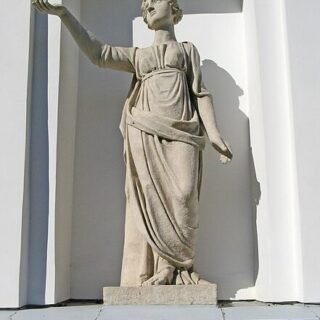
Leto, also known as Lētṓ, is a significant yet often understated figure in ancient Greek mythology and religion. She is primarily revered as the mother of two of the most...
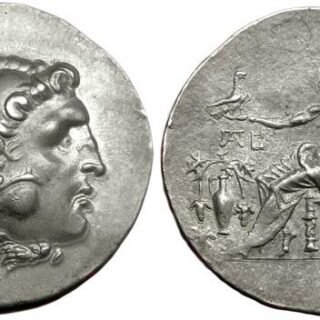
Ancient Greek coinage is a remarkable reflection of the culture, politics, and economy of one of history’s most influential civilizations. Its development spans four distinct periods: Archaic, Classical, Hellenistic, and...

Herodotus, the ancient Greek historian known as the “Father of History,” wrote extensively about Egypt in his monumental work, Histories. His account of the Egyptians is found primarily in Book II,...
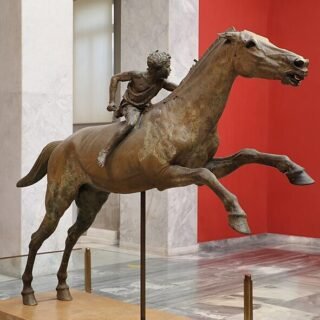
The Jockey of Artemision is a rare Hellenistic bronze sculpture dated to around 150–140 BC. Depicting a young boy riding a racehorse, it captures the energy and motion of an...

Pharaoh Unas, also spelled Wenis or Unis, was the ninth and final ruler of Egypt’s Fifth Dynasty during the Old Kingdom, reigning approximately from 2345 to 2315 BCE. His reign...





