Xibalba: The Underworld in Maya Religion
Xibalba, the underworld in Maya religion, is a place of darkness, fear, and trials associated with death and suffering. The domain is prominently depicted in the Popol Vuh, the sacred...

Xibalba, the underworld in Maya religion, is a place of darkness, fear, and trials associated with death and suffering. The domain is prominently depicted in the Popol Vuh, the sacred...
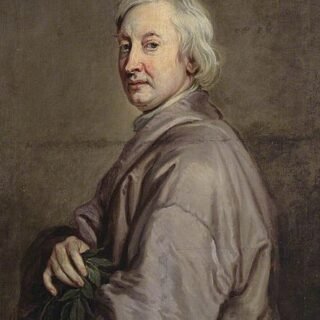
John Dryden, born on August 19, 1631, in Aldwincle, Northamptonshire, is remembered as one of the most influential literary figures of Restoration England. His life and works left an indelible...

Tewodros II, originally named Kassa Hailu, was an influential and transformative figure in Ethiopian history, reigning as Emperor from 1855 to 1868. His reign marked the beginning of modern Ethiopia,...

Phillis Wheatley, a pioneering figure in African American literature, remains one of the most significant literary voices of the 18th century. Born around 1753 in West Africa, possibly in modern-day...

George Smith, born on March 26, 1840, in London, England, emerged as one of the most renowned figures in Assyriology. Known for his groundbreaking discovery of the Epic of Gilgamesh, Smith’s...

George Berkeley, a pivotal figure in early modern philosophy, was born on March 12, 1685, near Kilkenny, Ireland, and became one of the most influential thinkers in the realms of...
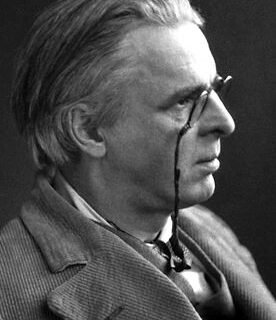
William Butler Yeats, an Irish poet, dramatist, and writer, was born on June 13, 1865, in Sandymount, Dublin. Yeats is widely celebrated as one of the foremost literary figures of...

Nabonidus, the last king of the Neo-Babylonian Empire, ruled from 556 BCE until Babylon’s fall to the Achaemenid Empire under Cyrus the Great in 539 BCE. His reign is notable for its distinct approach to religion,...
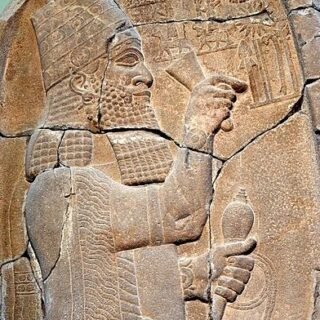
Esarhaddon, the Neo-Assyrian king who ruled from 681 to 669 BCE, is remembered as a unique ruler who significantly expanded and strengthened the empire, confronted profound political challenges, and conducted...

Sneferu, the first pharaoh of Egypt’s Fourth Dynasty (c. 2613–2589 BCE), is celebrated as a pioneering ruler who profoundly influenced Egypt’s architectural and cultural heritage. His reign ushered in major...

Jonathan Swift (1667–1745) is widely regarded as one of the greatest satirists in English literature. Known for his keen wit, biting satire, and deep insights into human nature and society,...

The journey of scientific discovery has been illuminated by the work of extraordinary individuals whose insights have fundamentally transformed our understanding of the natural world. In the article below, World...

Poor Richard’s Almanack was a highly influential publication written and published by Benjamin Franklin from 1732 to 1758. Under the pseudonym “Richard Saunders,” Franklin created a work that combined practical...

The American Revolution was shaped not only by battles and political alliances but also by the intellectual forces that inspired a new vision of governance, liberty, and human rights. Influential...

Charles Biddle, born on December 24, 1745, was a notable figure in early American history and a member of Philadelphia’s influential Biddle family. His life was marked by his dedication...





