Author: World History Edu
The 1896 Summer Olympics, officially known as the Games of the I Olympiad, marked the beginning of the modern Olympic movement. Held in Athens, Greece, from April 6 to April...
Vritra, a central figure in Hindu mythology, symbolizes drought and obstruction. As an asura, he is depicted as a serpent or dragon-like being, embodying chaos and stagnation by preventing the...
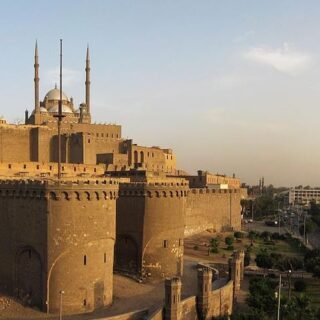
Egypt’s long and dynamic history has been shaped by its capitals, which reflect different eras of political, cultural, and economic significance. Below World History Edu presents the ten most famous...
Solar deities have been central figures in numerous cultures, embodying the life-giving power of the Sun, symbolizing creation, authority, and the eternal cycle of day and night. These gods and...
The Apollo Belvedere, one of the most celebrated sculptures of classical antiquity, has long been revered as a masterpiece of artistic perfection. Its rich history and cultural significance span centuries,...
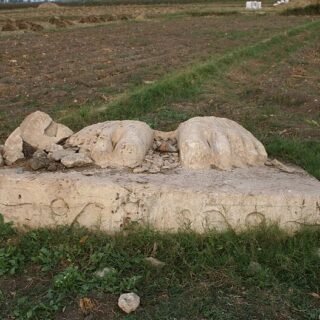
Pi-Ramesses, meaning “House of Ramesses” (pr-rꜥ-ms-sw), was established by Pharaoh Ramesses II during Egypt’s Nineteenth Dynasty (1279–1213 BCE). It was situated at Qantir, near the ancient site of Avaris, a...
The Beautiful Festival of the Valley (hb nfr n jnt) originated in ancient Thebes (modern Luxor) during the Middle Kingdom (c. 2000–1700 BCE). It was initially rooted in funerary practices...
Michelangelo’s Pietà, created between 1498 and 1499, is a masterpiece of Renaissance sculpture. Made from Carrara marble, it depicts the Virgin Mary holding the lifeless body of Jesus after his...
Heliopolis, known as Iunu in Ancient Egyptian, was a major city in Lower Egypt and a focal point of religious and cultural activity. Located in modern northeastern Cairo, encompassing Ain...
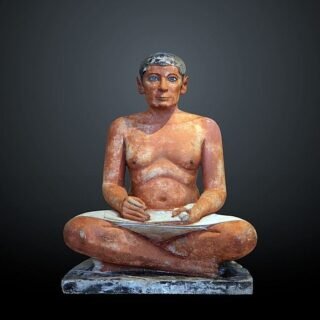
Ancient Egypt’s artistic legacy is one of the most enduring and influential in human history. Spanning over three millennia, Egyptian art is renowned for its remarkable consistency, symbolic depth, and...
Yuya was a prominent figure in ancient Egypt during the Eighteenth Dynasty, around 1390 BC. Renowned for his influence in the royal court and his familial ties to the ruling...
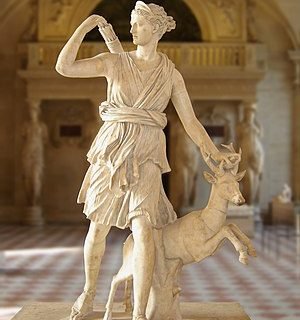
The Diana of Versailles, a slightly larger-than-life marble statue of Diana (Artemis in Greek mythology), was created as a Roman copy of a lost Greek bronze original by Leochares, dating...
The Second Siege of Missolonghi, occurring in 1823, was a key episode during the Greek War of Independence. Although it is often overshadowed by the more famous siege of 1825–1826,...
Leochares was a prominent sculptor from Athens, active during the 4th century BC. Renowned for his contributions to monumental and portrait sculpture, he played a significant role in defining the...
Mutnedjmet, also spelled Mutnodjmet or Mutnedjemet, was a significant figure in ancient Egypt, serving as the Great Royal Wife of Pharaoh Horemheb, a ruler of the 18th Dynasty. Her life,...