Kamose: Ruler of the Theban Seventeenth Dynasty
Kamose was the final ruler of the Theban Seventeenth Dynasty at the end of the Second Intermediate Period. His reign, often estimated at three years but sometimes extended to five...

Kamose was the final ruler of the Theban Seventeenth Dynasty at the end of the Second Intermediate Period. His reign, often estimated at three years but sometimes extended to five...

The Second Intermediate Period (c. 1700-1555 BC) was a time of fragmentation and political instability in ancient Egypt, occurring between the end of the Middle Kingdom and the emergence of...

Bes was a household deity protecting mothers, children, and childbirth, later becoming a defender against evil and a symbol of joy, music, and dance. What was Bes worshiped for? Bes...
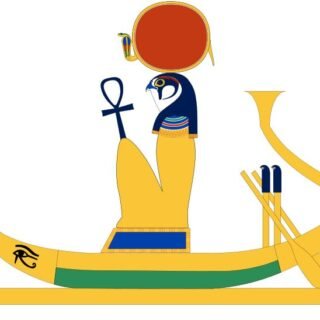
Ancient Egypt, a civilization intimately tied to the Nile and its waterways, regarded ships as sacred vessels not only for earthly navigation but also for divine journeys. In Egyptian mythology,...
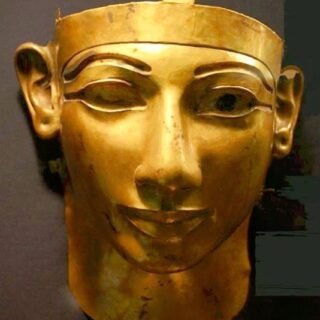
Shoshenq II was a pharaoh of the Twenty-second Dynasty of Egypt, notable for being the only ruler of this dynasty whose tomb was discovered intact. Summary Heqakheperre Shoshenq II, also...

Seker, also spelled Sokar, was a significant deity in ancient Egyptian religion, particularly associated with the city of Memphis. Revered as a god of the dead, he also had ties...
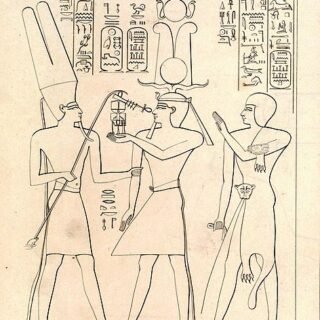
The history of Ancient Egypt is often characterized by a delicate balance between religious authority and political power. The relationship between the temple and the crown—represented by the priesthood and...
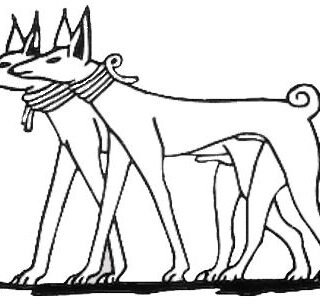
Dogs played a significant role in ancient Egyptian society, fulfilling various functions as hunting companions, guards, pets, and even spiritual entities. Their presence is well-documented in art, literature, and archaeological...
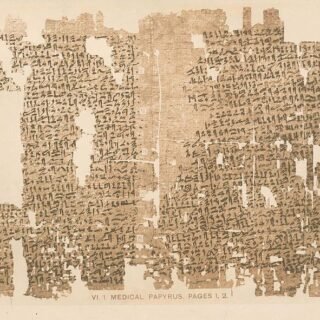
Ancient Egypt was a civilization known for its remarkable advancements in medicine, and it stands out among early societies for its recognition of women in medical professions. Unlike many later...
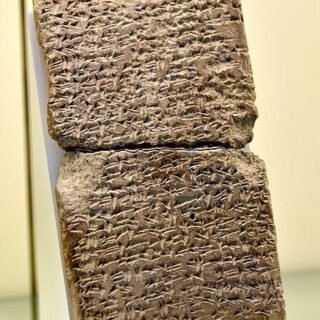
Abdi-Ḫeba, also spelled Abdi-Kheba, Abdi-Ḫepat, or Abdi-Ḫebat, was a chieftain of Jerusalem during the Amarna period, around the mid-1330s BC. His name appears frequently in the Amarna Letters, a collection...
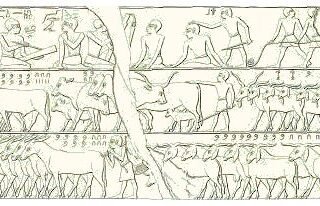
Ancient Egypt was a complex and highly organized society, and one of its most significant bureaucratic achievements was its taxation system. At the heart of this system was the Cattle Count (also...
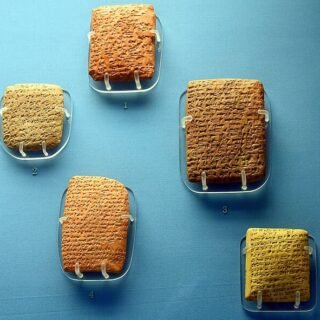
The Amarna letters are a collection of clay tablets that document diplomatic correspondence between the Egyptian administration and various rulers of neighboring regions. Dating to the mid-14th century BC, these...
