Pharaoh Neferkare II
Neferkare II was a little-known pharaoh of ancient Egypt who ruled during the tumultuous early First Intermediate Period (c. 2181–2055 BC). As a ruler of the Eighth Dynasty, he would...

Neferkare II was a little-known pharaoh of ancient Egypt who ruled during the tumultuous early First Intermediate Period (c. 2181–2055 BC). As a ruler of the Eighth Dynasty, he would...
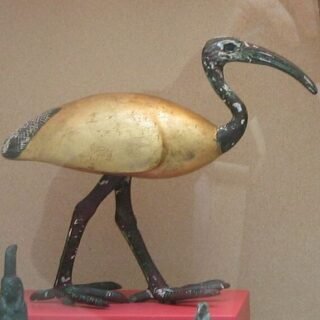
The sacred ibis was deeply revered in ancient Egypt, primarily due to its association with Thoth, the god of wisdom, knowledge, writing, and mathematics. Thoth, often depicted with the head...
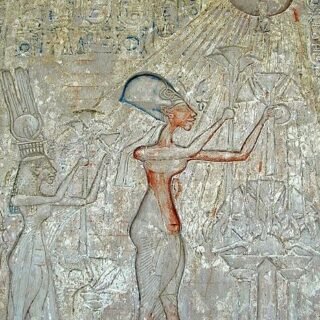
Atenism, also known as the Amarna religion, was a radical religious movement introduced by Pharaoh Akhenaten during the 14th century BCE in ancient Egypt. This monotheistic or monolatristic faith centered...

Min was the god of fertility, male potency, and agricultural abundance, associated with reproduction and renewal in both human and natural cycles. Origins and Cult Centers Min was known in...

The Admonitions of Ipuwer is an ancient Egyptian literary text that has intrigued scholars for centuries. This text, preserved on a single papyrus housed in the Dutch National Museum of Antiquities...

Amenhotep II was the seventh pharaoh of Egypt’s Eighteenth Dynasty, ruling from approximately 1427 to 1401 BC. He inherited a powerful kingdom from his father, Thutmose III. Early Life and...

Bubastis, known in Bohairic Coptic as Poubasti and in Greek as Boubastis or Boubastos, was an ancient Egyptian city of great religious and historical significance. It was referred to as...

Kolanthes, also known as Kolanthes the Child, was a minor deity in the religious landscape of Late Period Egypt. He is primarily associated with Akhmim (Koine Panopolis), a city in...

Memphis, known in Ancient Egyptian as Men-nefer and later as Inebu-hedj (meaning “White Walls”), was one of the most significant cities in ancient Egypt. Located strategically at the mouth of...
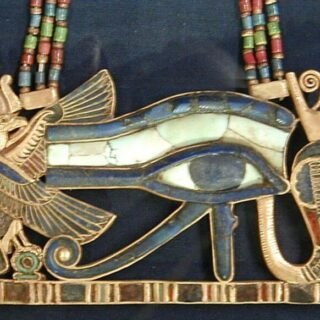
The Eye of Horus, also known as the left wedjat eye or udjat eye, is a profound symbol in ancient Egyptian religion, embodying well-being, healing, and protection. It is closely...

Menkare was a king of the Eighth Dynasty, ruling briefly around 2200 BC during the transition between the Old Kingdom and the First Intermediate Period. Summary Menkare was a little-known...

Pepi II Neferkare was a pharaoh of Egypt’s Sixth Dynasty, ascending the throne at age six and ruling during the Old Kingdom’s decline. Early Life and Ascension to the Throne...

Netjerkare Siptah, also known as Neitiqerty Siptah, was an ancient Egyptian king who reigned in the late 23rd century BC. He is traditionally considered the seventh and final ruler of...

The term “Pharaoh” refers to the rulers of ancient Egypt, reigning from the First Dynasty around 3150 BCE until Egypt’s annexation by the Roman Republic in 30 BCE. While the...
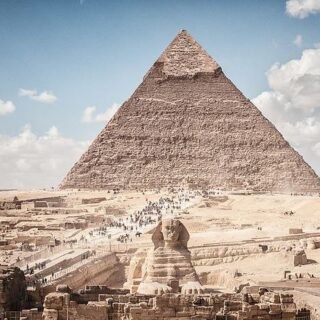
The pyramids of Egypt are among the most iconic and enduring symbols of ancient civilizations. Constructed primarily during the Old and Middle Kingdom periods, these monumental structures were designed as...





