Family Life in Ancient Rome
The family, or familia, was the cornerstone of Roman society. In ancient Rome, family life was not merely a private matter but a fundamental aspect of societal organization, politics, and culture....
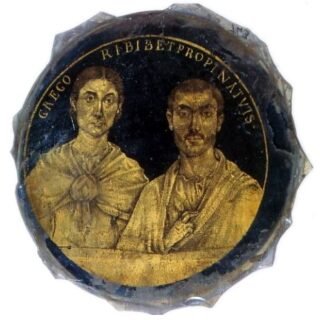
The family, or familia, was the cornerstone of Roman society. In ancient Rome, family life was not merely a private matter but a fundamental aspect of societal organization, politics, and culture....

The Maccabean Revolt was a pivotal uprising in Jewish history, unfolding between 167 BCE and 160 BCE. It marked a defiant stand by the Jewish people against the oppressive policies...
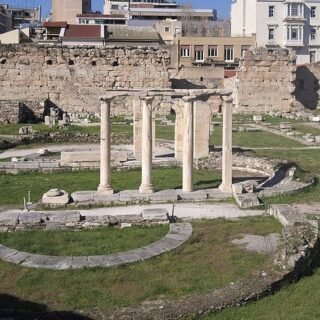
The Library of Hadrian, located in Athens, Greece, is one of the most remarkable examples of Roman-era architecture and urban development in the ancient city. Built during the reign of...

The Roman Empire, spanning centuries, is renowned for its emperors who shaped its history. From Augustus, the founder, to Constantine, the architect of a new era, each ruler contributed uniquely...

The Spartacus Revolt, also known as the Third Servile War (73–71 BCE), remains one of the most notable slave uprisings in history. This conflict erupted in the Roman Republic and...

Zeno of Citium (c. 334–262 BCE) was a prominent Hellenistic philosopher, founder of the Stoic school of thought, and one of the most influential thinkers in Western philosophy. Much of...

The Catiline Conspiracy of 63 BCE stands as one of the most notorious episodes in the political history of the late Roman Republic. At its heart was a volatile mixture...

The Zhou Dynasty, spanning from approximately 1046 BC to 256 BC, is a cornerstone in Chinese history, recognized as the longest-lasting dynasty. Its legacy is marked by cultural innovations, political...

Ancient Egyptian pharaoh Teos’s reign serves as a cautionary tale of ambition undermined by mismanagement and political strife. His efforts to challenge the Persian Empire, though bold, were marred by...
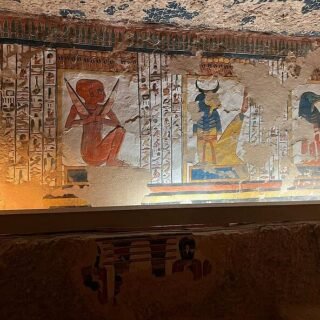
The ancient Egyptian gate deities of the underworld served as protective entities safeguarding the gates of the Duat, the Egyptian underworld. These minor deities were deeply woven into the complex...

The Battle of Carrhae, fought in 53 BC, was a pivotal clash between the Roman Republic and the Parthian Empire near the ancient town of Carrhae, in what is now...

The Shang Dynasty, also known as the Yin Dynasty, is one of the most significant and foundational periods in Chinese history. Its timeline, ranging from the 16th to the 11th...
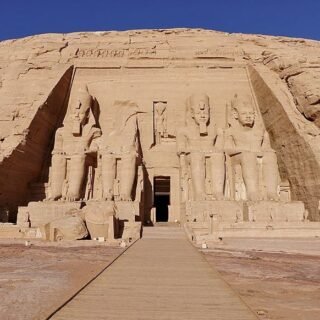
Abu Simbel is a remarkable historic site located in the Aswan Governorate of Upper Egypt, near the Sudanese border. Known for its two massive rock-cut temples, this iconic monument sits...

The Valley of the Queens, known in ancient Egypt as Ta-Set-Neferu (“The Place of Beauty” or “The Place of the Royal Children”), is a vital archaeological site that illuminates the...

The Duat, also referred to as Amenthes in Greek or Te in Coptic, is the underworld in ancient Egyptian mythology. Represented by the hieroglyph (a star within a circle), the...





