Ancient Egyptian Pharaoh Anedjib
Pharaoh Anedjib, also known as Adjib, Hor-Anedjib, or Hor-Adjib, was a ruler during Egypt’s 1st Dynasty. He governed in a period marked by the consolidation of power and evolving royal...

Pharaoh Anedjib, also known as Adjib, Hor-Anedjib, or Hor-Adjib, was a ruler during Egypt’s 1st Dynasty. He governed in a period marked by the consolidation of power and evolving royal...
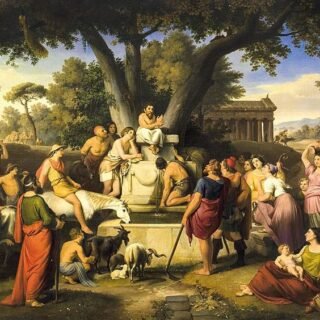
Aesop’s Fables is a collection of stories attributed to Aesop, a storyteller and slave who lived in ancient Greece around the 6th century BCE. These fables are short narratives that...
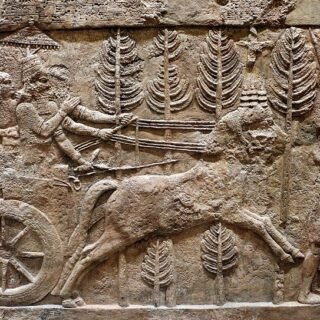
Sargon II, one of the greatest kings of the Neo-Assyrian Empire, ruled from 722 to 705 BCE, navigating an era defined by complex geopolitics, formidable enemies, and relentless military campaigns....
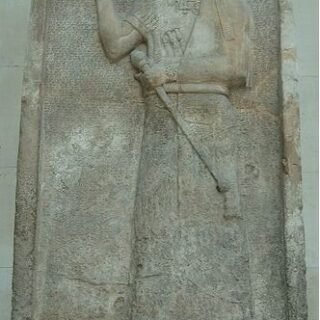
The Banquet Stele of Ashurnasirpal II is one of the most fascinating artifacts from the Neo-Assyrian period, offering a window into the political, cultural, and social practices of ancient Mesopotamia during the...

Nero’s Golden House, or Domus Aurea, was one of the most extravagant and infamous architectural projects in ancient Rome. Commissioned by the Roman Emperor Nero after the Great Fire of Rome...
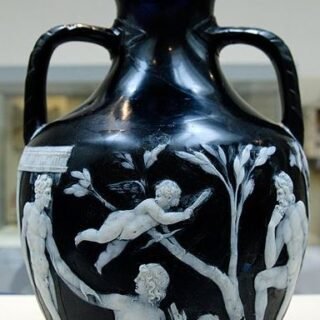
The Portland Vase is one of the most celebrated artifacts of the ancient world, renowned for its exquisite craftsmanship, mystery, and significant influence on Western art. This Roman cameo glass...

The Queen of the Night is a title with broad associations across history, mythology, and culture. Its origins and meanings vary, ranging from depictions in ancient Mesopotamian art and mythology to...

The Mausoleum of Augustus is a monumental tomb in Rome, Italy, built by Emperor Augustus as his final resting place and that of his family members. Constructed between 28 and...
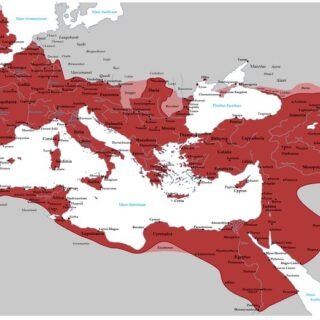
The Roman Empire was one of the largest and most influential political entities in world history, encompassing vast territories across Europe, North Africa, and the Middle East. At its peak,...
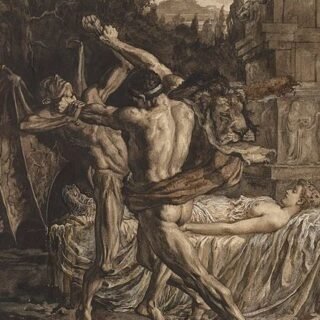
The myth of Hercules and Alcestis, a tale from Greek mythology, illuminates themes of personal excellence and social duty through its characters, their struggles, and the values of ancient Greek society....
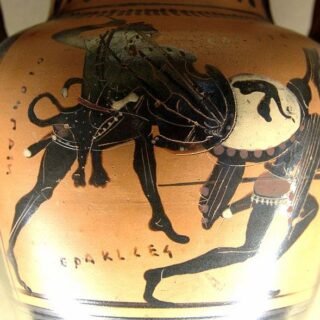
The Shield of Heracles (Aspis Herakleous) is a Homeric Hymn-like epic poem attributed to ancient Greek poet Hesiod, though its authorship remains debated. It recounts a single episode in the life of...

The Temple of Olympian Zeus in Athens, also known as the Olympieion, is one of the most significant monuments of ancient Greece, celebrated for its grandeur, rich history, and cultural symbolism. The...
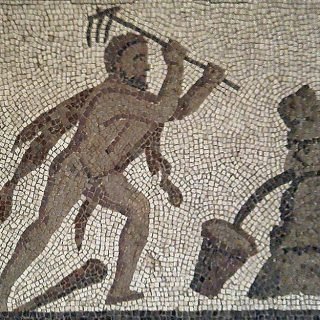
The culture of ancient Rome was deeply rooted in the interplay of religion, mythology, and public entertainment. Among the most striking manifestations of this fusion were mythological re-enactments staged during...
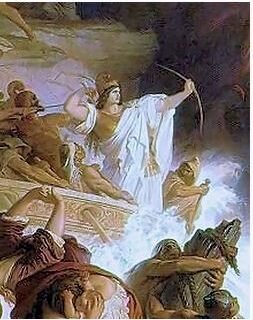
Women in ancient Greece lived under a patriarchal system, often confined to domestic roles and limited rights. However, a number of women defied these norms and left indelible marks on...

Cylinder seals are among the most remarkable artifacts from ancient Mesopotamia, offering a vivid glimpse into the culture, economy, religion, and daily life of the region. These small, intricately carved...





