Roman Emperor Valentinian III: Life, Reign, and Major Accomplishments
Valentinian III was the Western Roman Emperor from 425 to 455. His reign was one of the longest in the Western Empire but was dominated by internal power struggles and...

Valentinian III was the Western Roman Emperor from 425 to 455. His reign was one of the longest in the Western Empire but was dominated by internal power struggles and...

The Middle Kingdom (c. 2045–1782 BC) was a period of reunification and stability following the First Intermediate Period. It included the Eleventh and Twelfth Dynasties, and sometimes part of the...

Merneferre Ay, sometimes spelled Aya or Eje, was a pharaoh of the mid-13th Dynasty of ancient Egypt. He holds the distinction of being the longest-reigning king of this period, ruling...

Beni Hasan is an ancient Egyptian cemetery in Middle Egypt, primarily used during the Middle Kingdom (21st–17th centuries BCE). Summary Beni Hasan is located approximately 20 kilometers (12 miles) south...
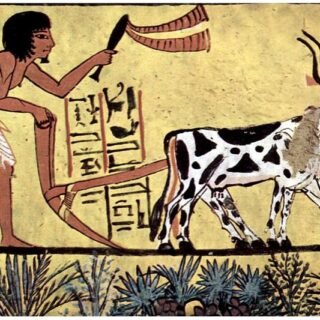
Ancient Egypt, one of the world’s most advanced early civilizations, thrived for over three millennia along the banks of the Nile River. The Egyptian economy and society were highly structured,...
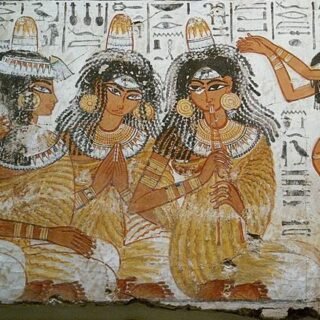
Music and dance played an integral role in the cultural, religious, and social life of ancient Egypt. From temple ceremonies and royal banquets to everyday entertainment and funerary rites, these...

Wahibre Psamtik I was the first pharaoh of Egypt’s Twenty-sixth Dynasty, ruling from circa 665 to 610 BC. Installed by the Neo-Assyrian Empire, he later unified Egypt, expanded its influence,...

The Roman province of Africa was one of the most significant territorial acquisitions of the Roman Republic and later the Roman Empire. Established in 146 BC following the Roman victory...
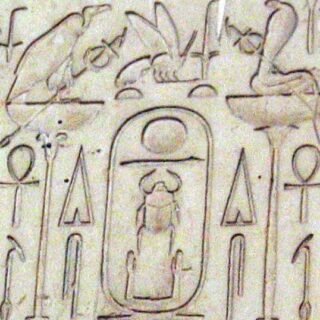
The Nebty name, also called the “Two-Ladies name,” was one of the five great names of Egyptian pharaohs and among the oldest royal titles. Etymology The Nebty name, also referred...
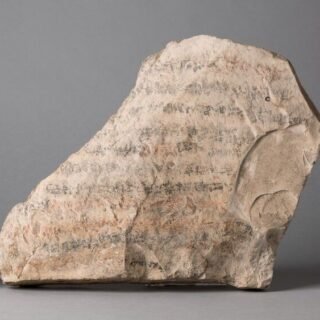
The Satire of the Trades is an ancient Egyptian text that provides a vivid portrayal of various professions, offering insights into Egyptian society, labor hierarchies, and cultural attitudes toward different forms of...

Kamose was the final ruler of the Theban Seventeenth Dynasty at the end of the Second Intermediate Period. His reign, often estimated at three years but sometimes extended to five...

The sack of Aquileia in 452 AD marked one of the most devastating events in the history of the late Roman Empire. This event was part of Attila the Hun’s...

The Second Intermediate Period (c. 1700-1555 BC) was a time of fragmentation and political instability in ancient Egypt, occurring between the end of the Middle Kingdom and the emergence of...

Bes was a household deity protecting mothers, children, and childbirth, later becoming a defender against evil and a symbol of joy, music, and dance. What was Bes worshiped for? Bes...

The Basilica of Sant’Ambrogio, officially known as Basilica romana minore collegiata abbaziale prepositurale di Sant’Ambrogio, is a prominent Roman Catholic church in Milan, Lombardy, Italy. Renowned for its Romanesque architecture...





