What was Babeuf’s Conspiracy of the Equals?
The Conspiracy of the Equals, known in French as Conjuration des Égaux, was a failed coup d’état in May 1796 during the tumultuous period of the French Revolution. Led by...
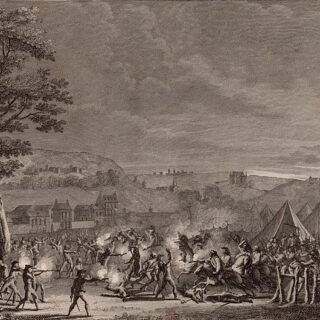
The Conspiracy of the Equals, known in French as Conjuration des Égaux, was a failed coup d’état in May 1796 during the tumultuous period of the French Revolution. Led by...

Marnus van der Lubbe was a Dutch communist who was tried, convicted, and executed by Nazi Germany for allegedly setting fire to the Reichstag building on February 27, 1933. Early...
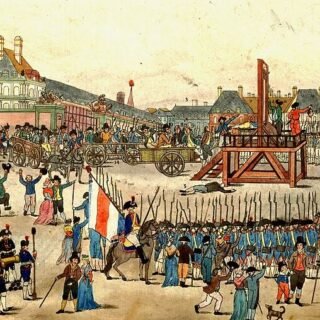
The Thermidorian Reaction marked a crucial phase of the French Revolution, spanning from the fall of Maximilien Robespierre on 9 Thermidor Year II (July 27, 1794) to the establishment of...
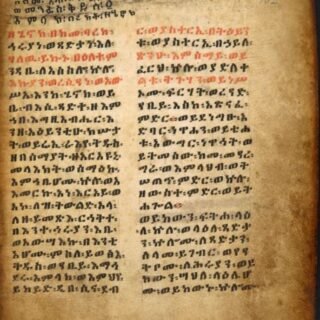
The Old Testament Pseudepigrapha refers to a collection of ancient writings that, while not considered canonical by most Jewish or Christian traditions, are related to the Hebrew Bible (Old Testament)...

Wolfgang Amadeus Mozart passed away on December 5, 1791, in Vienna at the age of 35. His death, surrounded by mystery and speculation, has been the subject of extensive research...
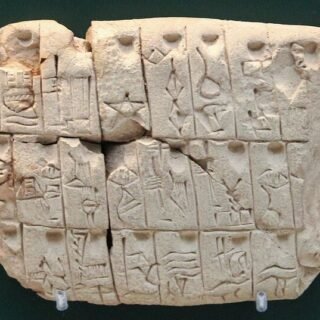
Cuneiform lexical lists are among the most fascinating and revealing artifacts from the ancient world. These lists, found throughout the ancient Near East, date back to the third millennium BCE...

The Phoenicians, an ancient Semitic-speaking civilization, flourished along the eastern Mediterranean coast from around 1500 BCE to 300 BCE. Primarily settled in modern-day Lebanon, parts of Syria, and northern Israel,...
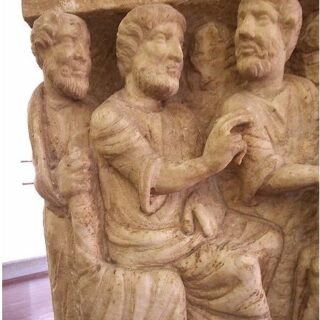
The doctrine of the Trinity, a cornerstone of Christian theology, is viewed differently within Eastern Christianity compared to Western Christianity. Both traditions affirm the same foundational belief in one God...
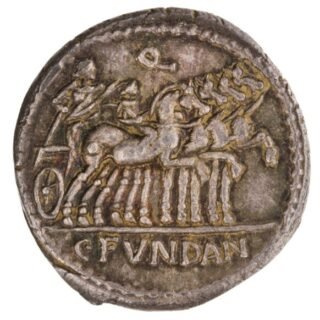
The Marian Reforms refer to significant yet contested changes in the Roman military’s structure and operation, traditionally attributed to Gaius Marius during the late Roman Republic. These changes are thought...

Tiberius Julius Sauromates II Philocaesar Philoromaios Eusebes, commonly referred to as Sauromates II, was a Roman client king who ruled the Bosporan Kingdom from 172 to 210/211 AD. His reign,...

The Mithridatic Wars (88–63 BCE) were three critical conflicts fought between the Roman Republic and the Kingdom of Pontus, led by King Mithridates VI. These wars represented a pivotal moment...
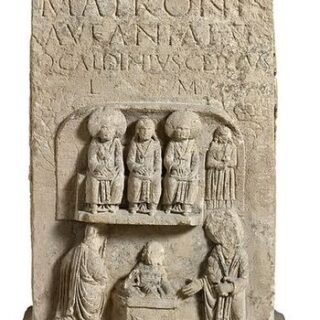
The Matres (“Mothers”) and Matronae (“Matrons”) were revered female deities worshiped across Northwestern Europe during the Roman occupation from the first to the fifth century AD. These figures appear in...
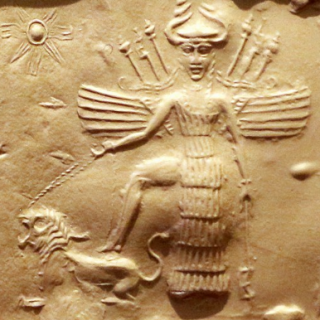
The role and existence of third-gender figures in the Ancient Near East is a rich and nuanced topic that reflects the complexity of gender roles and identities in early civilizations....

The Roman Theatre of Orange, located in the town of Orange (ancient Arausio) in southern France, is one of the best-preserved ancient Roman theatres in the world. Constructed during the...
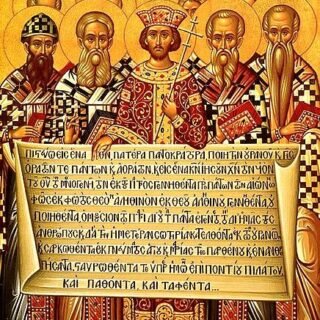
The Nicene Creed, also known as the Creed of Constantinople, stands as one of the most definitive statements of Christian faith. Adopted originally at the First Council of Nicaea in...





