What is the Badarian culture?
The Badarian culture represents the earliest direct evidence of agriculture in Upper Egypt during the Predynastic Era. Flourishing between 4400 and 4000 BCE, it might have originated as early as...

The Badarian culture represents the earliest direct evidence of agriculture in Upper Egypt during the Predynastic Era. Flourishing between 4400 and 4000 BCE, it might have originated as early as...
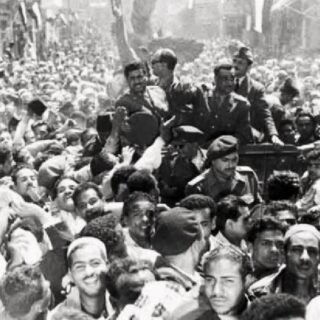
The Egyptian Revolution of 1952, also referred to as the 23 July Revolution, was a transformative event that reshaped Egypt’s political, economic, and social landscape. It marked the end of...
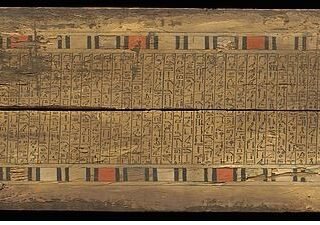
The Coffin Texts are a collection of 1,185 funerary spells written on coffins, tomb walls, and other burial objects during the First Intermediate and Middle Kingdom periods, democratizing access to...
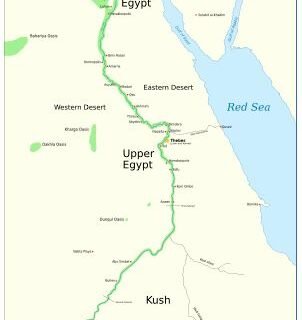
The First Intermediate Period (c. 2181–2055 BC) in ancient Egyptian history is often described as a “dark period” due to its political fragmentation and decline in centralized power. Spanning approximately...
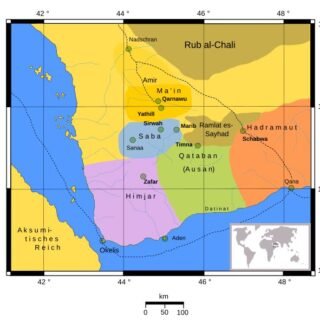
The Kingdom of Sheba, also known as Sabaʾ, was an influential South Arabian kingdom that thrived between 1000 BCE and 275 CE. Situated in the modern-day territory of Yemen, Sheba...
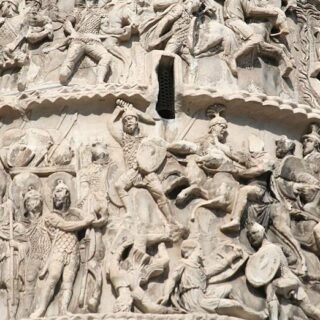
The Marcomannic Wars, fought between 166 and 180 AD, were a prolonged series of military conflicts between the Roman Empire and an alliance of Germanic tribes, notably the Marcomanni and...
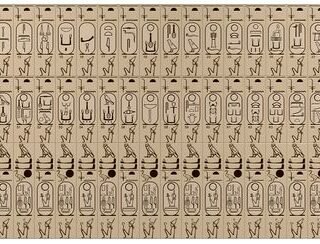
The Abydos King List, also referred to as the Abydos Table, is a crucial artifact in the study of ancient Egyptian history. Found in the Temple of Seti I at...
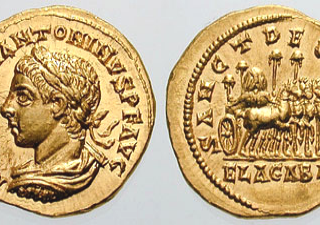
Elagabalus, also known as Aelagabalus or Heliogabalus, was an Arab-Roman deity whose worship originated in Emesa (modern Homs, Syria). The name derives from the Aramaic “ʾĕlāhgabāl” or Arabic “Ilah al-Jabal,”...

The Partition of Ireland (Irish: críochdheighilt na hÉireann) was a significant political development that divided the island into two distinct jurisdictions: Northern Ireland and Southern Ireland. Implemented on 3 May...

The Aetolian League, or Koinon tōn Aitōlōn (Κοινὸν τῶν Αἰτωλῶν), was a significant political and military federation in ancient Greece. Centered in Aetolia in central Greece, it emerged as a...
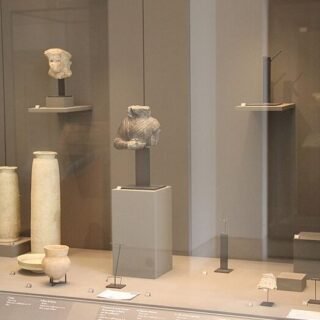
The Amorites were an ancient Northwest Semitic-speaking people who emerged during the Bronze Age. Originating from the Levant, they were first recorded in Sumerian texts around 2500 BC. Over the...

The Kingdom of Kerma, located in what is now northern Sudan, was one of the most powerful Nubian states in antiquity. For over a millennium, it developed as a significant...

The Czechoslovak Socialist Republic (CSSR) emerged in 1948, following the February Coup, where the Communist Party of Czechoslovakia (KSČ) seized power with support from the Soviet Union. This event marked...

Calvary (Latin: Calvariae or Calvariae locus) and Golgotha (Biblical Greek: Γολγοθᾶ) refer to the site where Jesus Christ was crucified, according to the four canonical gospels of Christianity. This location,...
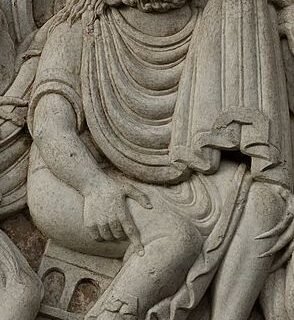
Simon Magus, also known as Simon the Sorcerer or Simon the Magician, is a significant figure in early Christian history, mentioned in the Acts of the Apostles and other early...