How did the Roman Kingdom become a Republic?
The Roman Kingdom, traditionally dated from 753 BC to 509 BC, was the earliest form of Roman government, ruled by a series of kings. While later Roman historians documented its...
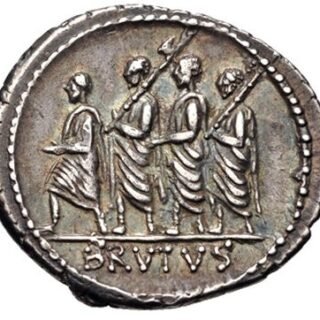
The Roman Kingdom, traditionally dated from 753 BC to 509 BC, was the earliest form of Roman government, ruled by a series of kings. While later Roman historians documented its...
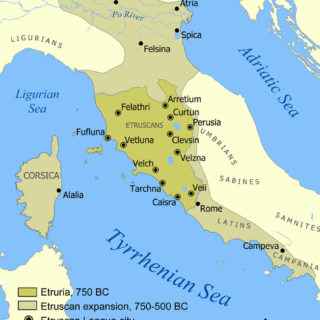
The Etruscan civilization was an ancient culture in Italy, known for its city-states, unique language, and influence on early Rome. It reached its height around 500 BC before being absorbed...
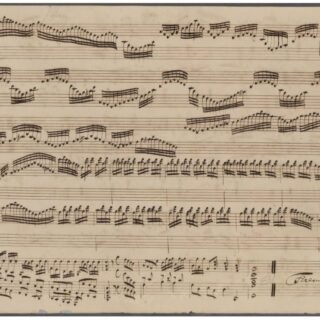
Drexel 5856 is an important music manuscript containing compositions by George Frideric Handel. Copied by John Christopher Smith, a regular copyist of Handel, this manuscript is believed to have been...
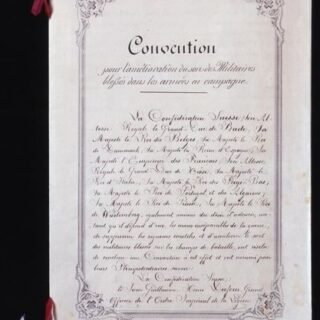
The Geneva Conventions form the cornerstone of international humanitarian law, establishing rules for the protection of individuals during armed conflict. The conventions outline the rights of prisoners of war, civilians,...
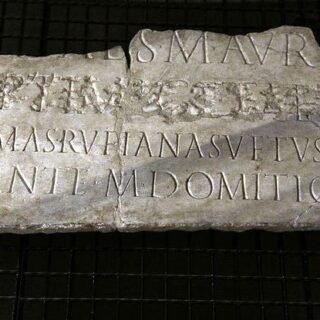
The phrase damnatio memoriae, meaning “condemnation of memory,” refers to the deliberate erasure of a person from official history. This practice involves removing names from inscriptions, destroying statues and portraits,...

Ponzi schemes have deceived millions of people worldwide, leaving a trail of financial devastation. Below, WHE examines some of the most infamous Ponzi schemes in history, highlighting their operations, impacts,...
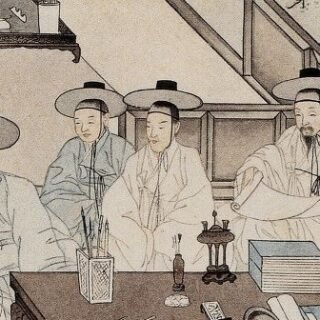
Hyangga are a form of traditional Korean poetry dating back to the Silla Kingdom (57 BCE–935 CE) and the Unified Silla period. These poems are unique to ancient Korea and...

The Kaidu-Kublai war (1268–1301) was pivotal in permanently dividing the Mongol Empire into four independent khanates: the Golden Horde, Chagatai Khanate, Ilkhanate, and Yuan dynasty. This conflict followed the earlier...
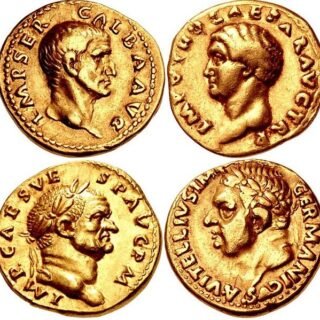
The Year of the Four Emperors, AD 69, was a pivotal and chaotic period in Roman history. It marked the first significant civil war since the establishment of the Roman...
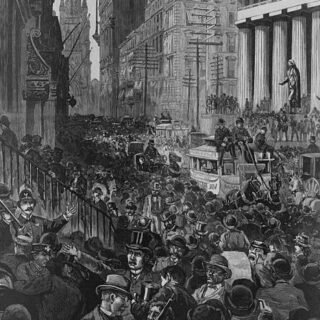
The Panic of 1884 was a significant economic crisis that marked the late 19th-century United States, occurring during the broader Depression of 1882–1885. What made this panic unique was its...
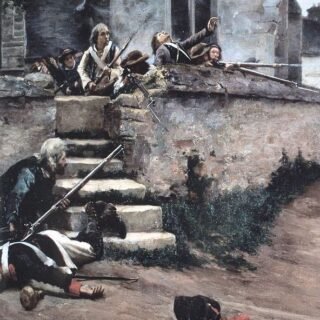
The Chouannerie was a significant royalist uprising in western France during the French Revolution, driven by resistance to Republican policies. This counter-revolutionary movement, lasting from 1794 to 1800, mirrored the...
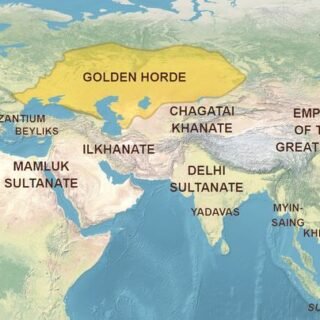
The Golden Horde was a Mongol and later Turkicized khanate that originated in the 13th century as the northwestern segment of the Mongol Empire. It became a separate khanate after...
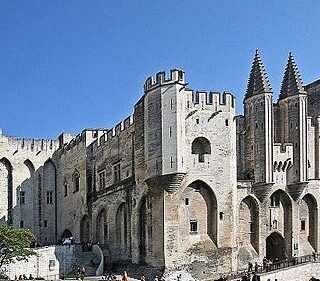
The Avignon Papacy (1309–1376) was a pivotal period in the history of the Catholic Church when seven successive popes chose to reside in Avignon rather than Rome. This era is...
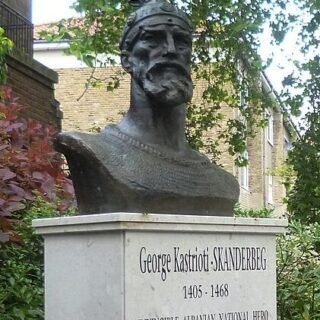
Skanderbeg (c. 1405–1468) was an Albanian nobleman, military commander, and leader of the Albanian resistance against the Ottoman Empire. He is remembered as a symbol of Albanian national identity and...

The Cult of Reason was France’s first state-sponsored atheistic religion during the French Revolution, designed to replace Roman Catholicism with a civic religion focused on Reason, Liberty, and the Revolution....