Who was Berossus? – History and Major Works
Berossus, also known as Berosus (Ancient Greek: Βηρωσσός), was a Hellenistic-era Babylonian writer, astronomer, and priest of Bel Marduk who lived in the early 3rd century BCE. Writing in Koine...
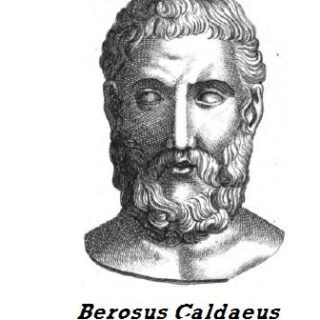
Berossus, also known as Berosus (Ancient Greek: Βηρωσσός), was a Hellenistic-era Babylonian writer, astronomer, and priest of Bel Marduk who lived in the early 3rd century BCE. Writing in Koine...

The Samaritans, or Israelite Samaritans, are an ethnoreligious group tracing their origins to the Hebrews and Israelites of the ancient Near East. Indigenous to Samaria—a historical region covering the northern...

The First Era of Northern Domination marks a significant period in Vietnamese history when the northern regions of present-day Vietnam were governed by Chinese dynasties. Spanning from around 111 BC...
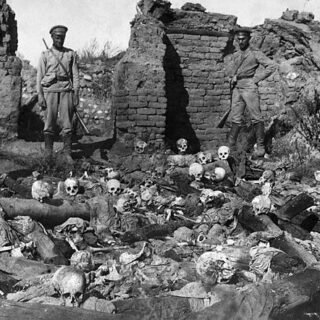
The Armenian Genocide stands as one of the most tragic events of the early twentieth century, characterized by the systematic persecution and annihilation of the Armenian population within the Ottoman...

Pets in Ancient Egypt were not only beloved companions but also held spiritual, social, and functional roles within society. The ancient Egyptians had a deep appreciation for animals, integrating them...
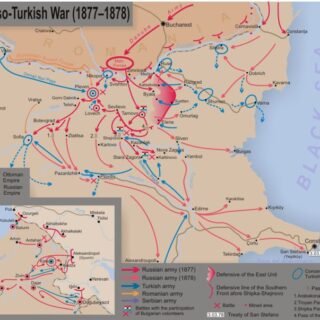
The Russo-Turkish War (1877–1878) pitted the declining Ottoman Empire against an alliance led by the Russian Empire, joined by Romania, Serbia, and Montenegro. Summary The Russo-Turkish War reshaped the Balkans,...
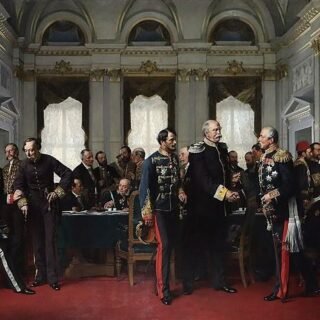
The Congress of Berlin sought to restore equilibrium in the Balkans after the disruptive Treaty of San Stefano, but it left a legacy of unrest. By accommodating certain powers while...
The Armenian Question originated in debates about securing rights and protections for a Christian minority in a crumbling empire. Over time, it came to symbolize both the broader Eastern Question—how...
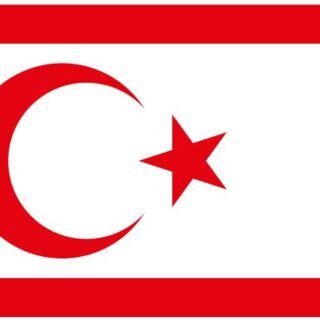
The Turkish invasion of Cyprus in 1974 unfolded against a complex backdrop of intercommunal tensions, colonial legacies, and international rivalries. These military operations, conducted by Turkish forces in two distinct...
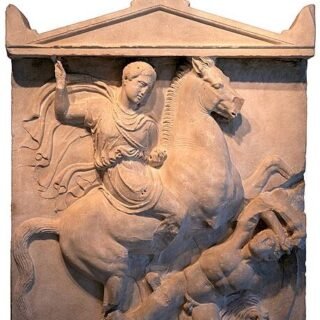
The Dexileos Stele is a significant artifact of Greek art that provides insight into the complex dynamics between aristocracy and democracy in ancient Athens. Created around 394 BCE, it was...

The Yellow Turban Rebellion, alternatively known as the Yellow Scarves Rebellion, was a pivotal peasant uprising during the late Eastern Han dynasty of ancient China. It began in 184 CE...
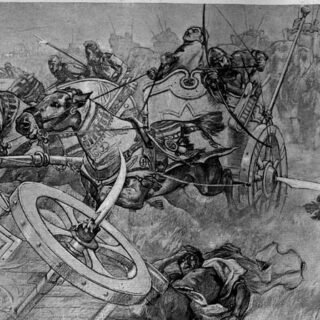
The use of elephants in warfare by Greek and Roman forces represents a fascinating chapter in ancient military history. These majestic animals, often referred to as “war elephants,” were not...

The U.S. occupation (1945-1952), led by General Douglas MacArthur, involved democratizing Japan, dissolving its military, and establishing a new constitution that renounced war. Economic reforms, land redistribution, and the promotion...

The Greek symposium was an essential social institution in ancient Greece, functioning as both a convivial gathering and a platform for cultural expression. It brought together men of similar social...
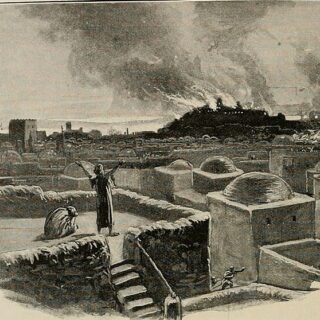
The Iron Age in the Ancient Near East, spanning roughly from 1200 BCE to 586 BCE, was a transformative period marked by the rise and fall of powerful empires, major...





