What was the Scilly naval disaster of 1707?
The Scilly naval disaster of 1707 remains one of the most tragic maritime incidents in British history. On the night of October 22, 1707, four Royal Navy warships were lost...

The Scilly naval disaster of 1707 remains one of the most tragic maritime incidents in British history. On the night of October 22, 1707, four Royal Navy warships were lost...

Sinclair Lewis (1885 – 1951) was an American novelist, short-story writer, and playwright, known for his critical portrayals of American capitalism and materialism. Early Life Harry Sinclair Lewis was born...

Pre-Socratic philosophy, also known as Early Greek Philosophy, refers to the body of philosophical thought that emerged before the time of Socrates in the ancient Greek world. These philosophers primarily...

Hesiod was one of the earliest known Greek poets. He is often mentioned alongside Homer as a foundational figure in Western literature. Active between 750 and 650 BC, Hesiod’s works...
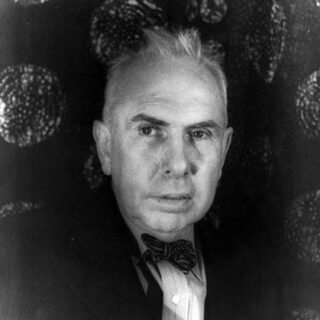
American author and journalist Theodore Dreiser (1871 – 1945) was a key figure in the naturalist school, portraying characters shaped by their environment and circumstances rather than free will. Early...
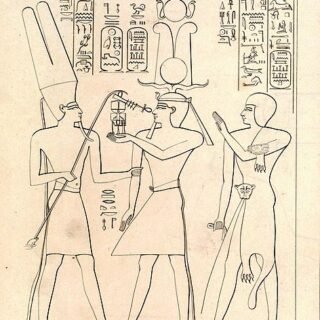
The history of Ancient Egypt is often characterized by a delicate balance between religious authority and political power. The relationship between the temple and the crown—represented by the priesthood and...

Tobacco, a plant native to the Americas, was introduced to European society during the Age of Exploration in the late 15th and early 16th centuries. The spread of tobacco was...
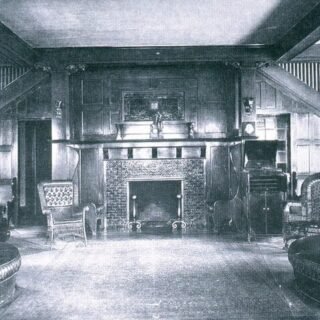
The Loyal War Governors’ Conference was a significant political event during the American Civil War. Held at the Logan House Hotel in Altoona, Pennsylvania, on September 24 and 25, 1862,...
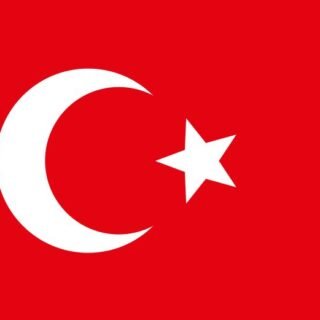
The conquest of Adrianople was a landmark event in Ottoman and Balkan history. It marked the consolidation of Ottoman power in Europe, leading to the eventual collapse of Byzantine control...
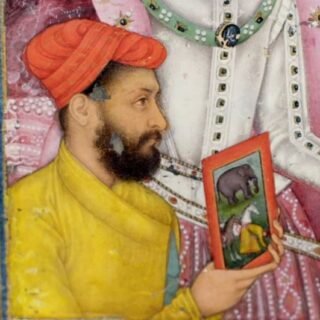
Bichitr was a prominent Indian painter of the Mughal period, flourishing during the 17th century under the patronage of emperors Jahangir and Shah Jahan. His works, characterized by their meticulous...
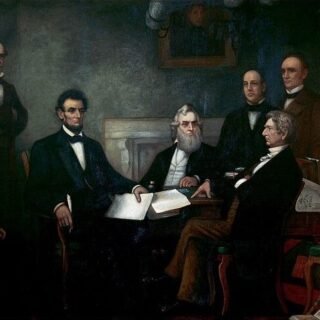
The Emancipation Proclamation was a presidential proclamation and executive order issued by Abraham Lincoln on January 1, 1863, declaring all enslaved people in Confederate states to be free. Summary The...
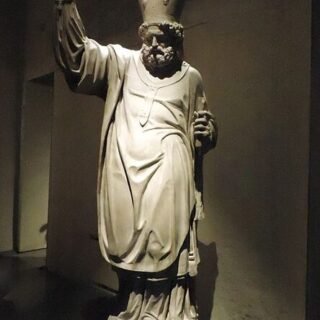
Ambrose of Milan (c. 339–397), venerated as Saint Ambrose, was a pivotal figure in the early Christian Church. As Bishop of Milan, he played a significant role in defending Nicene...
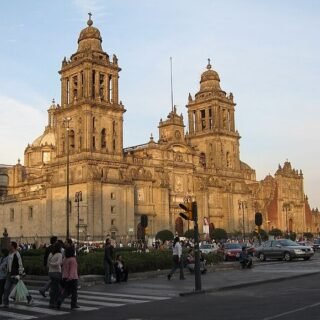
The Mexico City Metropolitan Cathedral stands as a remarkable testament to Mexico’s colonial history, blending various architectural styles and historical narratives. Situated on the Plaza de la Constitución (Zócalo), it...

Shah Jahan was the fifth Mughal emperor (r. 1628–1658), known for his architectural achievements and military campaigns. Birth and Family Heritage Mirza Shahab-ud-Din Muhammad Khurram, later known as Shah Jahan,...

Akbar the Great was the third Mughal emperor, ruling from 1556 to 1605. He is known for expanding and consolidating the Mughal Empire, establishing a centralized administration, and promoting religious...





