The Atef Crown in Ancient Egypt
The Atef crown is one of the most distinctive and symbolic headdresses in ancient Egyptian culture, closely associated with the god Osiris. Representing a blend of royal authority and divine...

The Atef crown is one of the most distinctive and symbolic headdresses in ancient Egyptian culture, closely associated with the god Osiris. Representing a blend of royal authority and divine...
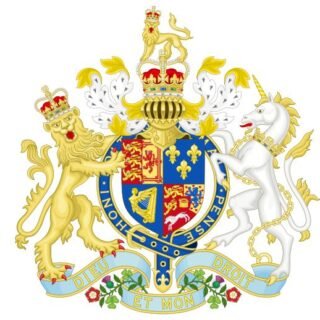
The Sugar Act of 1764, also known as the American Revenue Act, was a significant legislative measure enacted by the British Parliament to address pressing financial needs following the costly...
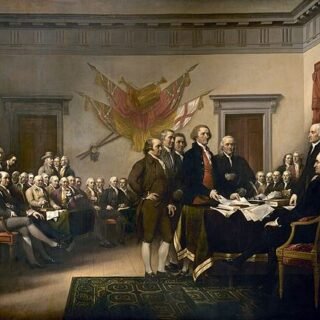
The Intolerable Acts, also known as the Coercive Acts in Great Britain, were a series of punitive measures enacted by the British Parliament in 1774. These laws aimed to punish...

John Marshall (1755–1835), one of America’s most influential Founding Fathers, was a statesman, lawyer, and jurist whose life, career, and accomplishments profoundly shaped the early United States. Serving as the...

The Battle of the Monongahela, fought on July 9, 1755, during the French and Indian War (1754–1763), was a pivotal encounter between British forces led by General Edward Braddock and...

The Battle of Grand Pré, also known as the Battle of Minas, was a significant engagement during King George’s War, a North American theater of the broader War of the...

Pharaoh Shepseskaf, the last ruler of Egypt’s Fourth Dynasty during the Old Kingdom, reigned during a time of transition. His rule marked the end of a lineage known for its...

William Howe, 5th Viscount Howe, was a prominent British Army officer and military leader whose career spanned several major conflicts, including the War of the Austrian Succession, the Seven Years’...
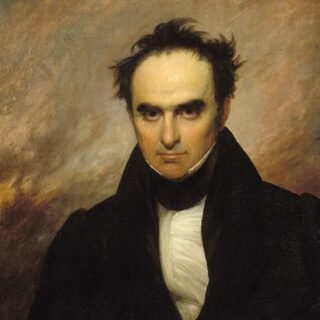
Daniel Webster (1782–1852) was a prominent American lawyer, orator, and statesman. He represented New Hampshire and Massachusetts in Congress and served twice as U.S. Secretary of State. Webster is renowned...

Thomas Gage was a British Army officer and colonial administrator whose career spanned critical moments in North American history, including the French and Indian War, Pontiac’s War, and the early...
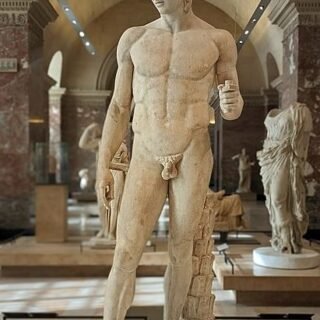
The Ares Borghese is a remarkable Roman marble statue from the imperial era, dating back to the 1st or 2nd century AD. Standing at an imposing height of 2.11 meters...

Ptolemy XII Neos Dionysus, commonly known by his epithet Auletes (“the Flautist”), was a pivotal ruler of the Ptolemaic Kingdom of Egypt. His reign, spanning from 80 to 58 BC...

Albert Bushnell Hart (July 1, 1854 – July 16, 1943) was a renowned American historian, writer, and educator whose prolific career helped professionalize the study of history in the United...

Edward Braddock’s life and military career exemplify the challenges of commanding forces in a new and unfamiliar environment. While his leadership ended in a tragic defeat, his campaign highlighted the...
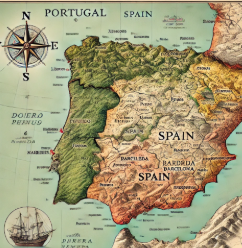
The enduring independence of Portugal, despite its proximity to the larger and historically powerful neighbor, Spain, is a remarkable feat in European history. Over centuries, Portugal has successfully maintained its...





