What were the Quartering Acts?
The Quartering Acts, passed by the British Parliament in the 18th century, were a series of laws that required American colonists to provide housing and supplies for British troops stationed...
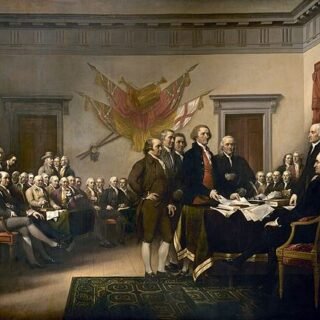
The Quartering Acts, passed by the British Parliament in the 18th century, were a series of laws that required American colonists to provide housing and supplies for British troops stationed...

Daniel Hyacinthe Liénard de Beaujeu (9 or 19 August 1711 – 9 July 1755) was a French military officer whose career spanned significant conflicts in North America, including King George’s...
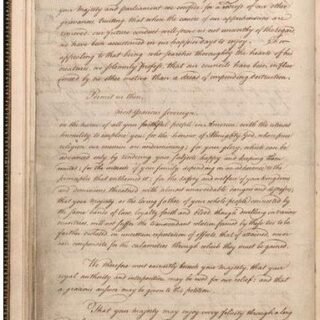
The Petition to the King, sent by the First Continental Congress in 1774, is a critical milestone in the history of the American Revolution. Drafted during a period of escalating...
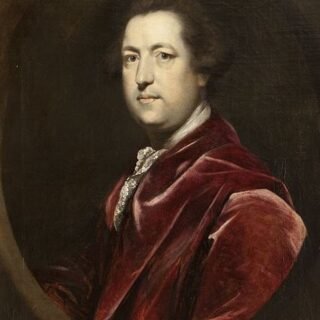
The Townshend Acts, passed by the British Parliament between 1767 and 1768, were a series of legislative measures designed to assert control over the American colonies and raise revenue for...

William Wirt (1772–1834) was a prominent American lawyer, author, and statesman who played a critical role in shaping the early legal and political landscape of the United States. Renowned for...
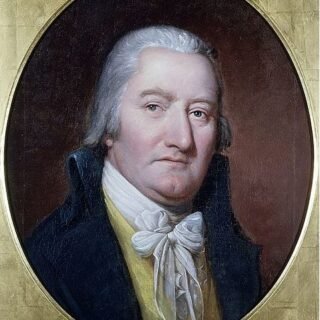
David Ramsay, an accomplished American physician, historian, and public official, was a prominent figure during the Revolutionary War and the formative years of the United States. His contributions to politics,...
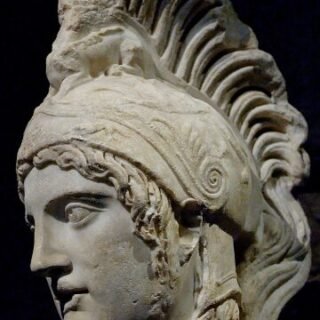
Ares, the Greek god of war, occupies a tumultuous and often unflattering role in Greek mythology, particularly during the Trojan War. Unlike his sister Athena, who represents strategic warfare and...
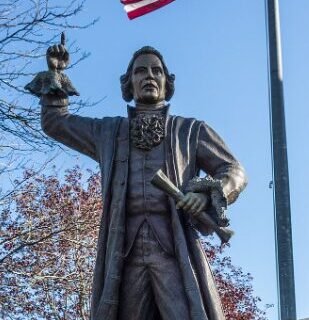
James Otis Jr. (1725–1783) was a pivotal figure in the early years of American colonial resistance to British rule. As a lawyer, legislator, and writer, Otis laid much of the...

Amos Ellmaker (1787–1851) was a prominent American lawyer, judge, and politician whose career spanned critical developments in Pennsylvania and the United States during the early 19th century. Known for his...
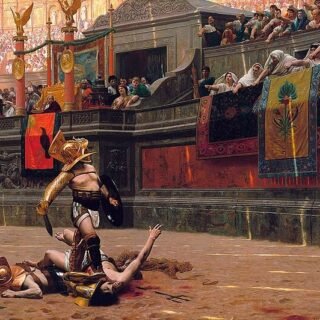
Roman gladiators were iconic figures of ancient Rome, known for their brutal combat in arenas like the Colosseum. These warriors were often slaves, prisoners of war, or condemned criminals trained...
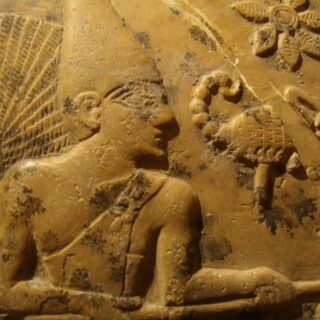
Naqada III represents the culminating phase of the Naqada culture, a significant period in ancient Egyptian prehistory spanning approximately 3200 to 3000 BCE. This era is pivotal as it marks...
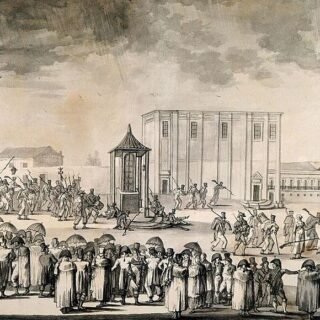
The invasion of Portugal by French and Spanish forces in 1807 was a critical event in the Napoleonic Wars that marked the beginning of the Peninsular War, reshaping the political...

The Narmer Palette stands as one of the most significant archaeological finds in ancient Egyptian history. Dating back to approximately the 31st century BCE, this artifact transcends its initial classification...

Nekhen, also known as Hierakonpolis, stands as one of ancient Egypt’s most significant archaeological and historical sites. Renowned for its early temples and as the center of the cult of...

The United Kingdom of Portugal, Brazil, and the Algarves was a unique and transformative political entity in the history of the Portuguese-speaking world. Created in 1815, it elevated the Portuguese...





