French Poet José-Maria de Heredia
José-Maria de Heredia (1842–1905) was a Cuban-born French poet renowned for his exquisite sonnets and his association with the Parnassian movement. His work is celebrated for its classical themes, meticulous...
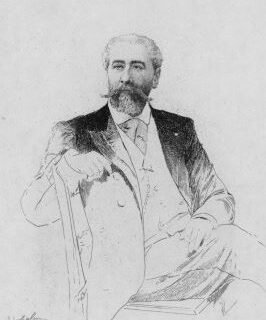
José-Maria de Heredia (1842–1905) was a Cuban-born French poet renowned for his exquisite sonnets and his association with the Parnassian movement. His work is celebrated for its classical themes, meticulous...

The Revolutions of 1848, often referred to as the “Springtime of the Peoples” or the “Springtime of Nations,” represent one of the most significant and widespread revolutionary waves in European...

One Thousand and One Nights, commonly known in English as The Arabian Nights, is a collection of Middle Eastern and South Asian folktales compiled in Arabic during the Islamic Golden...

Ancient Greek rhetoricians shaped the art of persuasive speaking and logical argumentation, influencing public discourse, education, and governance. From the democratic assemblies of Athens to the law courts and philosophical...

Roman citizenship (civitas Romana) was a cornerstone of ancient Roman society, granting individuals specific legal rights, responsibilities, and privileges. Over centuries, the Roman system of citizenship evolved from a local...
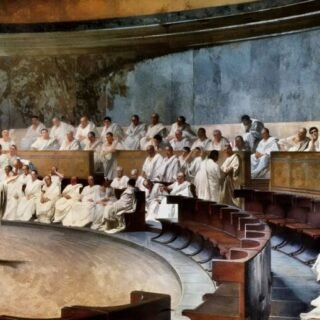
The constitution of the Roman Republic was an intricate and dynamic system of governance that developed over nearly five centuries. It functioned as an unwritten framework of political norms, traditions,...
The Latin phrase Civis Romanus sum, translated as “I am a Roman citizen,” represents the profound sense of identity and legal protection associated with Roman citizenship during the Roman Republic...
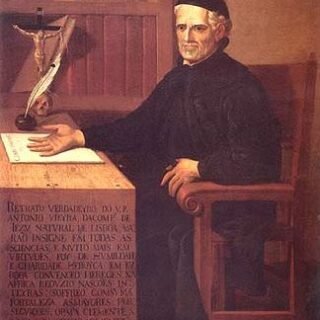
António Vieira, one of the most influential figures in Portuguese history, was a Jesuit priest, diplomat, orator, preacher, philosopher, writer, and advisor to the King of Portugal. His life spanned...
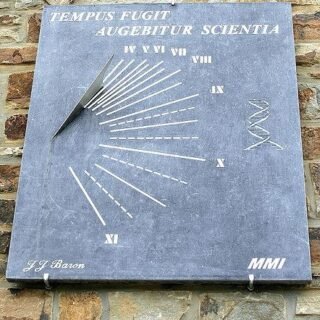
Latin, the language of the ancient Romans, has left an indelible mark on modern languages, law, philosophy, science, and literature. Many of its phrases have become timeless expressions, offering profound...
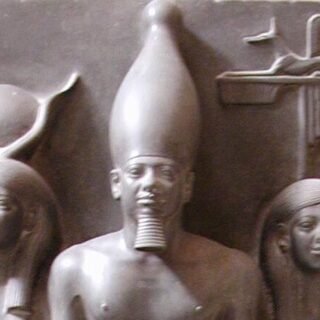
Pharaoh Menkaure, also known as Menkaura, stands as one of ancient Egypt’s most notable rulers from the Fourth Dynasty during the Old Kingdom. His reign lasted approximately between 2550 BC...

The Prose Edda, also known as the Younger Edda or Snorri’s Edda, is a seminal work of Old Norse literature composed in Iceland during the early 13th century. The work...
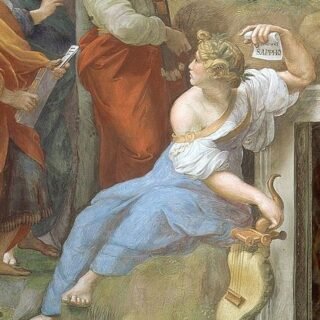
Sappho, an eminent figure of ancient Greek literature, has long captivated scholars, poets, and readers with her poignant lyric poetry and profound emotional depth. Flourishing in the Archaic period of...

In Norse mythology, few figures embody the virtues of courage and loyalty as profoundly as Hermóðr. Often overshadowed by more prominent gods like Thor and Odin, Hermóðr plays a pivotal...

Gaius Valerius Catullus, commonly known as Catullus, remains one of the most influential and celebrated poets of ancient Rome. Flourishing during the tumultuous period of the Late Roman Republic, his...
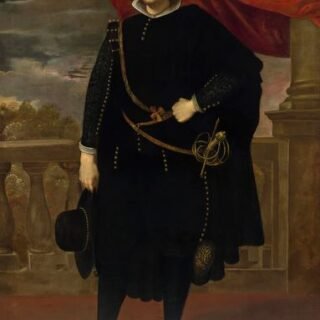
John IV, known as “John the Restorer,” was the King of Portugal from 1640 to 1656. He restored Portuguese independence from Spanish rule, established the House of Braganza, and defended...





