Helheim: The Realm of the Norse Goddess of Death
In Norse mythology, the cosmos is divided into nine distinct worlds, each inhabited by different beings such as gods, giants, dwarfs, and humans. Among these realms lies Helheim, the underworld...

In Norse mythology, the cosmos is divided into nine distinct worlds, each inhabited by different beings such as gods, giants, dwarfs, and humans. Among these realms lies Helheim, the underworld...
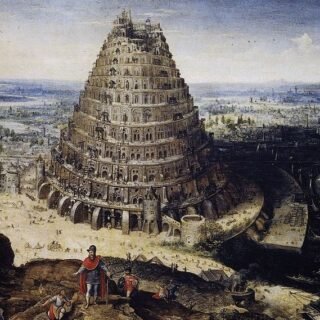
The Tower of Babel is one of the most famous stories in the Bible, found in Genesis 11:1–9. It tells the tale of humanity’s ambitious attempt to build a tower...
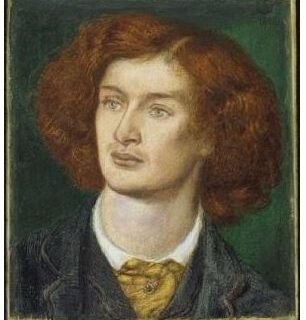
Algernon Charles Swinburne (April 5, 1837 – April 10, 1909) was a prominent English poet, playwright, novelist, and critic whose works left an indelible mark on Victorian literature. Known for...
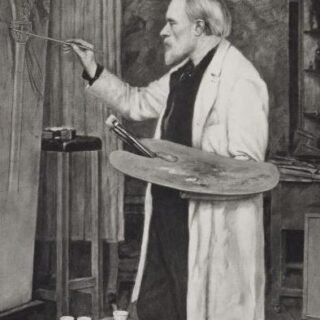
Sir Edward Coley Burne-Jones, 1st Baronet, ARA, stands as a luminary in the annals of English art, celebrated for his profound contributions to both painting and decorative design. Born on...
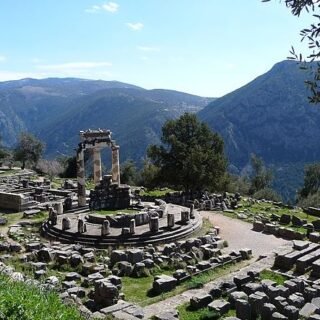
In ancient Greek, “polis” referred to a city-state, encompassing both the urban core and its surrounding territory. It was not only a physical space but also the central unit of...
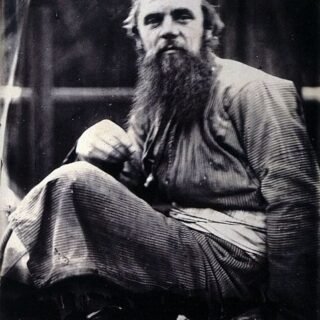
William Holman Hunt OM (2 April 1827 – 7 September 1910) was a seminal English painter and one of the founding members of the Pre-Raphaelite Brotherhood (PRB), a movement that...

The 19th century was a transformative period in U.S. history, defined by expansion, conflict, innovation, and change. A number of major events collectively shaped our nation’s identity, fostering growth and...

Odysseus, known as Ulysses in Roman tradition, is one of the most iconic figures in Greek mythology. As the King of Ithaca, his exploits in The Iliad and The Odyssey,...
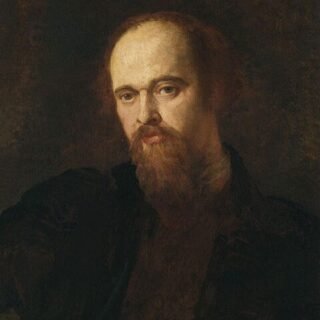
Dante Gabriel Rossetti (12 May 1828 – 9 April 1882), born Gabriel Charles Dante Rossetti, was a multifaceted English artist, poet, illustrator, and translator. A central figure in 19th-century British...
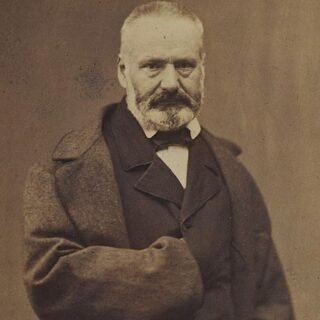
Victor-Marie Hugo (1802–1885) is one of the most celebrated figures in French literature and politics. Renowned for his mastery across genres, his contributions to Romanticism, and his advocacy for social...

Shinar, known in Hebrew as Šinʿār (שִׁנְעָר), is a term found in the Hebrew Bible that refers to the southern region of Mesopotamia, encompassing areas central to early civilizations. This...
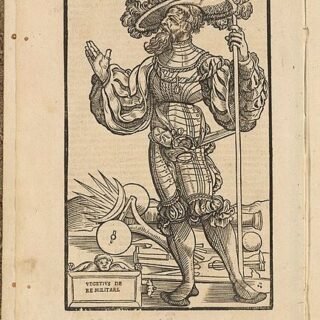
Publius (or Flavius) Vegetius Renatus, commonly known as Vegetius, was a Roman author whose works have had a profound influence on military strategy, organization, and thought from antiquity through the...

Gaius Suetonius Tranquillus, known as Suetonius, was a Roman historian and biographer whose works have significantly contributed to our understanding of the Roman Empire. His writings, particularly The Twelve Caesars,...
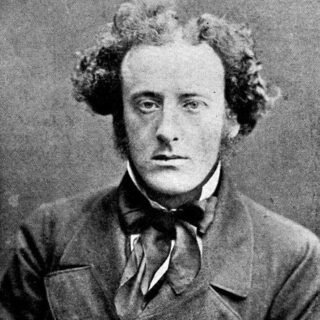
John Everett Millais, 1st Baronet PRA (8 June 1829 – 13 August 1896), was a towering figure in 19th-century English art. As one of the founding members of the Pre-Raphaelite...
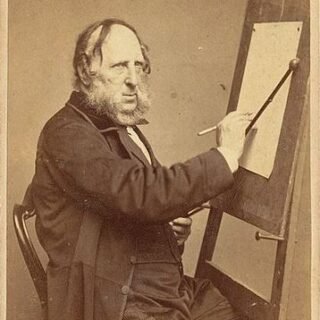
George Cruikshank (1792–1878) was a celebrated British caricaturist and book illustrator whose work left an indelible mark on art and literature. Known for his sharp satirical prints, political caricatures, and...





