What was the Corinthian War (395–387 BC)?
The Corinthian War (395–387 BC) was a pivotal conflict in ancient Greece that saw Sparta pitted against a coalition of city-states, including Thebes, Athens, Corinth, and Argos, with support from...
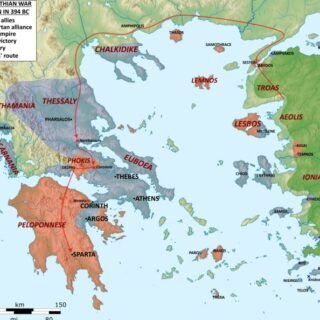
The Corinthian War (395–387 BC) was a pivotal conflict in ancient Greece that saw Sparta pitted against a coalition of city-states, including Thebes, Athens, Corinth, and Argos, with support from...

In Roman culture, pietas was one of the foundational virtues that governed personal behavior and societal expectations. Its meaning encompassed a wide range of values, including duty, loyalty, devotion, and...
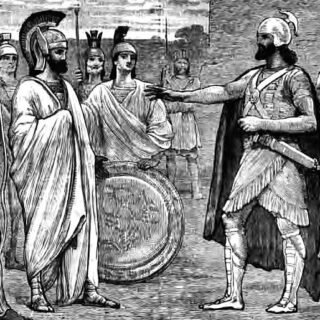
The First Olynthian War, fought from 382 to 379 BC, was a significant conflict in ancient Greece involving Sparta, the Chalcidian League, and Macedonia. It marked a pivotal moment in...
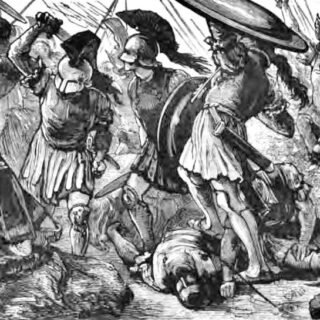
The Battle of Chaeronea, fought in 338 BC near the city of Chaeronea in Boeotia, was a decisive and transformative event in ancient Greek history. It marked the culmination of...
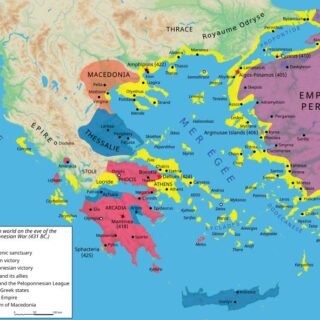
The Delian League was a confederation of Greek city-states formed in 478 BC under the leadership of Athens. Its primary aim was to protect the Greek world from further aggression...
The kings of Sparta played pivotal roles in shaping its history, from its early consolidation as a city-state to its eventual decline. Figures like Leonidas I embody Spartan courage, while...

The concept of the afterlife is a universal theme in human history, shaping cultures, religions, and philosophies across the globe. These beliefs reflect humanity’s quest to understand existence beyond death,...
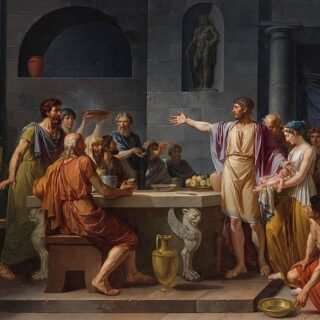
Lycurgus stands as one of ancient Greece’s most enigmatic and revered figures. Celebrated as the foundational lawgiver of Sparta, Lycurgus is credited with establishing the austere and militaristic society that...

The Cult of Dionysus and the development of the Theatre of Dionysus in Athens reflect the intertwining of religion, culture, and architectural innovation in ancient Greek society. Over centuries, the...
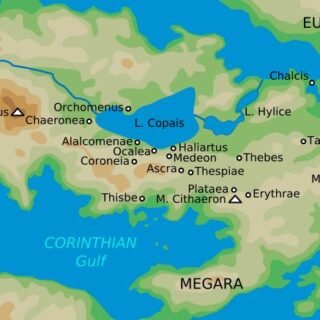
The Boeotian War of 378 BC marked a significant conflict in ancient Greek history, a key turning point that shifted the balance of power among the Greek city-states. Triggered by...
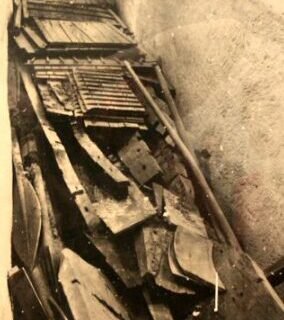
Khufu’s ship, also known as the solar barque, is one of the most remarkable artifacts of ancient Egyptian civilization. Its discovery in 1954 revealed not only the craftsmanship of Old...

The Sumerian language stands as a monumental cornerstone in the study of ancient civilizations, being one of the earliest known written languages. It was spoken in ancient Sumer, located in...
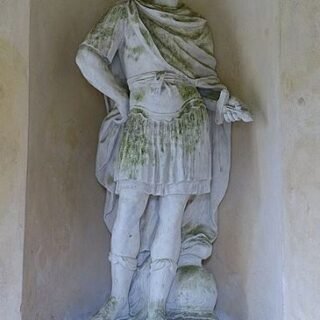
Epaminondas (c. 419/411–362 BC) was a transformative figure in 4th-century BC Greece, renowned for his military genius, statesmanship, and dedication to justice and liberation. A native of Thebes, Epaminondas played...

Pharaoh Djedefre, also known as Radjedef or Rāḍedef, was a ruler of Egypt’s Fourth Dynasty during the Old Kingdom period, a time marked by significant cultural, architectural, and religious development....
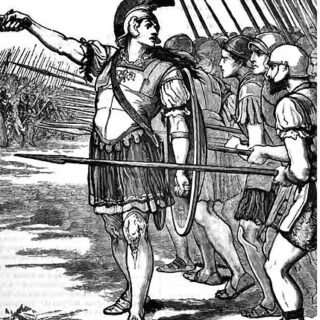
Pelopidas was a distinguished Theban general and statesman whose life epitomized courage, selflessness, and an unwavering dedication to Thebes’ liberation and ascendancy in ancient Greece. Born into a wealthy and...





