Atenism in Ancient Egypt
Atenism, also known as the Amarna religion, was a radical religious movement introduced by Pharaoh Akhenaten during the 14th century BCE in ancient Egypt. This monotheistic or monolatristic faith centered...
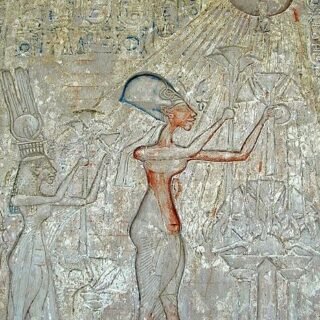
Atenism, also known as the Amarna religion, was a radical religious movement introduced by Pharaoh Akhenaten during the 14th century BCE in ancient Egypt. This monotheistic or monolatristic faith centered...

Ali ibn Abi Talib was the cousin and son-in-law of the Islamic prophet Muhammad (S.A.W), the fourth Rashidun caliph (656–661 CE), and the first Shia imam. History of Shia Islam:...

The Coronation Chair, also referred to as St Edward’s Chair or King Edward’s Chair, is one of the most historically significant pieces of furniture in British history. It has been...
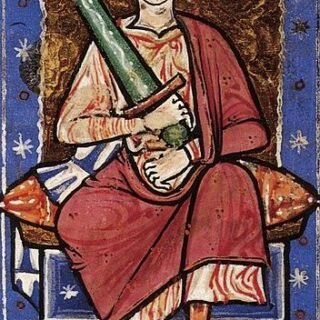
Æthelred II, known as “the Unready,” was King of the English from 978 to 1013 and again from 1014 until his death in 1016. His epithet originates from the Old...
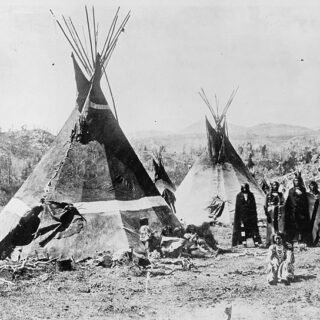
Hunter-gatherer societies represent the earliest form of human social organization. For thousands of years, humans lived in small, mobile groups that subsisted by hunting wild animals, fishing, and foraging for...
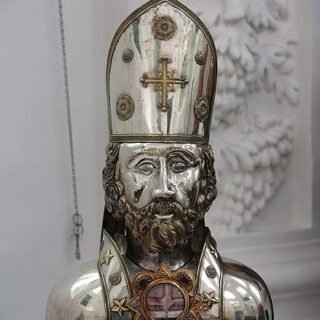
The Plague of Cyprian (c. 250–270 CE) was a devastating pandemic that struck the Roman Empire during a period of political and military crisis. Named after St. Cyprian, the bishop of Carthage who...
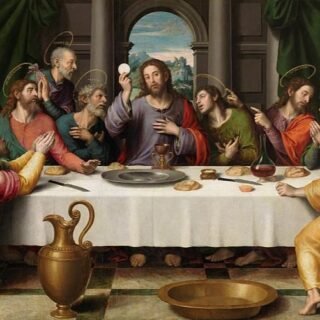
The Eucharist, also known as Holy Communion, the Blessed Sacrament, or the Lord’s Supper, is a central Christian rite commemorating Jesus Christ’s Last Supper. Its significance is derived from biblical...

The virgin birth of Jesus is a central tenet in both Christianity and Islam. According to this doctrine, Jesus was conceived by Mary through the power of the Holy Spirit,...

Dolmens (Goindol) are among the most significant archaeological features of prehistoric Korea, providing crucial insights into the social structures, burial customs, and religious beliefs of early Korean societies. These large...

The First Anglo-Ashanti War (1823-1831) was a conflict between the Ashanti Empire and an alliance led by the British, Fante Confederacy, Denkyira, and Denmark, resulting in a British victory and...
The St. Brice’s Day Massacre was carried out on November 13, 1002. It involved a mass killing of Danes living in England on the orders of King Æthelred the Unready....

Fólkvangr is a field ruled by the goddess Freyja, where half of those who die in battle go after death, while the other half go to Odin’s Valhalla. Summary Fólkvangr,...

Min was the god of fertility, male potency, and agricultural abundance, associated with reproduction and renewal in both human and natural cycles. Origins and Cult Centers Min was known in...

Frederick II was a complex and dynamic monarch whose reign was defined by military ambition, economic reform, architectural innovation, and intellectual patronage. While earlier historical narratives often painted him as...

Guido Reni (1575–1642) was one of the most influential painters of the Italian Baroque era. His works, characterized by a classical elegance reminiscent of the Renaissance masters, combined elements of...





