Standing Figure of Queen Nefertiti
The Standing Figure of Nefertiti is a masterpiece from Ancient Egypt, dating back to approximately 1350 BC during the reign of Pharaoh Akhenaten in the Amarna Period. This era marked...
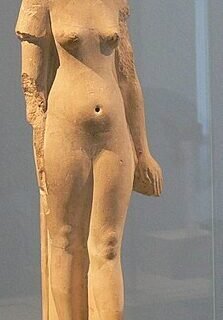
The Standing Figure of Nefertiti is a masterpiece from Ancient Egypt, dating back to approximately 1350 BC during the reign of Pharaoh Akhenaten in the Amarna Period. This era marked...

Ptolemy IX Soter, nicknamed Lathyros (“Chickpea”), was a central figure in the later years of the Ptolemaic dynasty, which ruled Egypt after Alexander the Great’s death. His life was marked...
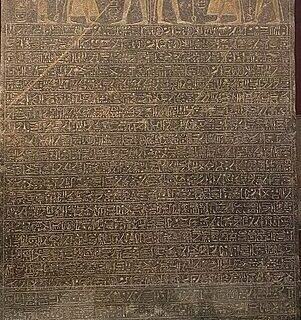
The Merneptah Stele, carved during the reign of Pharaoh Merneptah in ancient Egypt’s 19th Dynasty, stands as a vital historical artifact that sheds light on regional politics, military endeavors, and...
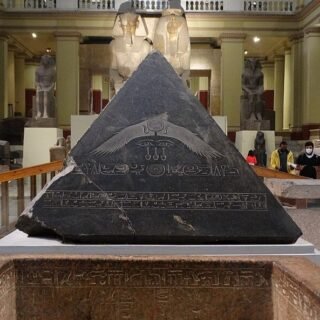
The pyramidion of Amenemhat III, often regarded as a pinnacle of ancient Egyptian craftsmanship and symbolism, originates from the 12th Dynasty during the Middle Kingdom (circa 1850 BC). It was...

The Amarna Period began during the 18th Dynasty of ancient Egypt, under the reign of Pharaoh Amenhotep IV, later known as Akhenaten (1353–1336 BCE). This era is named after the...

Berenice III of the Ptolemaic Dynasty was a significant figure in ancient Egyptian history, embodying the intricate blend of Greek and Egyptian cultures that characterized her lineage. Her life was...
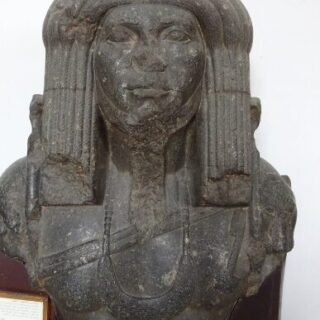
Pharaoh Amenemhat III, the sixth ruler of Egypt’s Twelfth Dynasty during the Middle Kingdom, reigned during a golden age marked by cultural, economic, and architectural achievements. His tenure is notable...

Summary Son of Ptolemy VIII and Cleopatra III, Ptolemy X initially governed Cyprus but declared himself king in 114 BC. In 107 BC, Cleopatra III, after feuding with his brother...
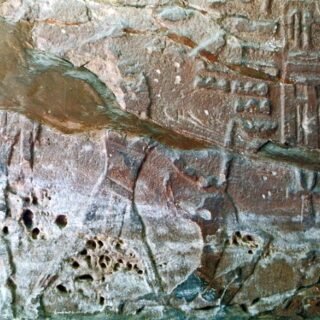
Nyuserre Ini was the sixth ruler of Egypt’s Fifth Dynasty during the Old Kingdom, reigning approximately between 24 and 35 years in the mid-25th century BCE. His name means “Possessed...

Shepseskare, whose name means “Noble is the Soul of Ra,” was a pharaoh of Egypt’s Fifth Dynasty during the Old Kingdom, reigning in the mid-25th century BCE. Historical and archaeological...

Pharaoh Djet, also known as Hor Djet (“Horus Cobra” or “Horus Who Strikes”), ruled during Egypt’s First Dynasty in the Early Dynastic Period, around 2980 BC. His name reflects a...

Ankhnesneferibre, an illustrious figure of the 26th Dynasty of ancient Egypt, exemplifies the intertwining of royal lineage and religious authority in Thebes. Born around 595 BC, she was the daughter...

Pharaoh Neferefre, also known as Raneferef, was a ruler of ancient Egypt’s Fifth Dynasty during the Old Kingdom period. His reign, though brief, offers valuable insights into the political, architectural,...

Neferirkare Kakai, the third pharaoh of Egypt’s Fifth Dynasty, lived during the mid-25th century BC. He was the son of Pharaoh Sahure and Queen Meretnebty, as confirmed by reliefs from...
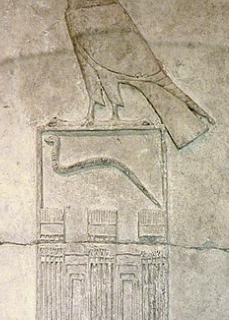
In ancient Egyptian hieroglyphs, the serekh stands as a pivotal symbol representing royal authority and divine legitimacy. Combining artistic elements of architecture and symbolism, the serekh served not only as...





