Category: Ancient History
Latin, the language of the ancient Romans, has left an indelible mark on modern languages, law, philosophy, science, and literature. Many of its phrases have become timeless expressions, offering profound...
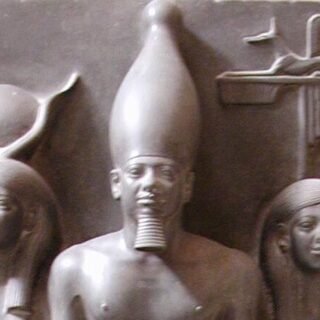
Pharaoh Menkaure, also known as Menkaura, stands as one of ancient Egypt’s most notable rulers from the Fourth Dynasty during the Old Kingdom. His reign lasted approximately between 2550 BC...
Sappho, an eminent figure of ancient Greek literature, has long captivated scholars, poets, and readers with her poignant lyric poetry and profound emotional depth. Flourishing in the Archaic period of...
Gaius Valerius Catullus, commonly known as Catullus, remains one of the most influential and celebrated poets of ancient Rome. Flourishing during the tumultuous period of the Late Roman Republic, his...
In ancient Greek, “polis” referred to a city-state, encompassing both the urban core and its surrounding territory. It was not only a physical space but also the central unit of...
Odysseus, known as Ulysses in Roman tradition, is one of the most iconic figures in Greek mythology. As the King of Ithaca, his exploits in The Iliad and The Odyssey,...
Shinar, known in Hebrew as Šinʿār (שִׁנְעָר), is a term found in the Hebrew Bible that refers to the southern region of Mesopotamia, encompassing areas central to early civilizations. This...
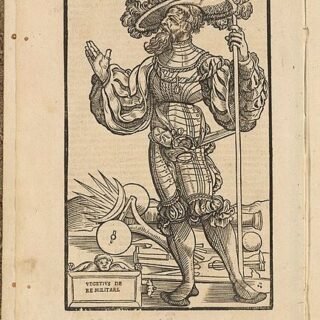
Publius (or Flavius) Vegetius Renatus, commonly known as Vegetius, was a Roman author whose works have had a profound influence on military strategy, organization, and thought from antiquity through the...
Gaius Suetonius Tranquillus, known as Suetonius, was a Roman historian and biographer whose works have significantly contributed to our understanding of the Roman Empire. His writings, particularly The Twelve Caesars,...
The Sumerian King List (SKL), also known as the Chronicle of the One Monarchy, is a pivotal ancient literary document written in the Sumerian language. Originating from southern Mesopotamia, the...
The study of ancient languages provides invaluable insights into the early development of human communication, culture, and civilization. Among these, the oldest recorded languages with complete sentences hold a special...
The Sacred Band of Thebes, known in Greek as Ἱερός Λόχος (Hierós Lókhos), was an elite military unit of the Theban army that existed during the 4th century BC. This...
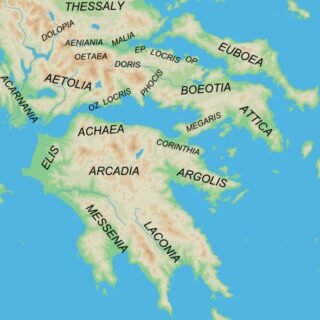
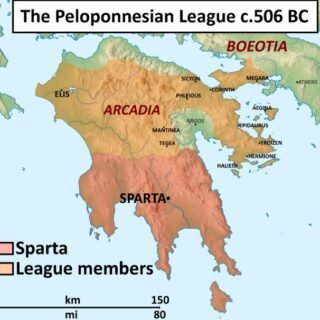
The Peloponnesian League was a coalition of Greek city-states under Sparta’s leadership, operating from approximately 550 to 366 BC. While commonly referred to as a league, this modern term is...
The ten Attic orators were celebrated figures of ancient Greece, renowned for their mastery of rhetoric and their significant roles in shaping classical Greek oratory. Known collectively as the “Canon...
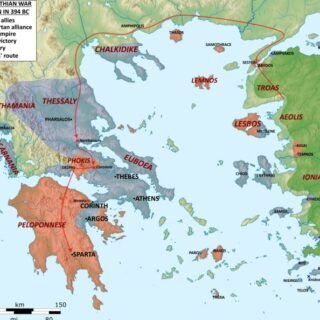
The Corinthian War (395–387 BC) was a pivotal conflict in ancient Greece that saw Sparta pitted against a coalition of city-states, including Thebes, Athens, Corinth, and Argos, with support from...