Category: Ancient History
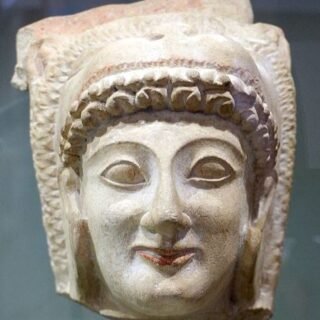
The Phoenicians, who lived in the coastal regions of the eastern Mediterranean (modern-day Lebanon, parts of Syria, and Israel), were renowned for their extensive trade networks, seafaring skills, and significant contributions...
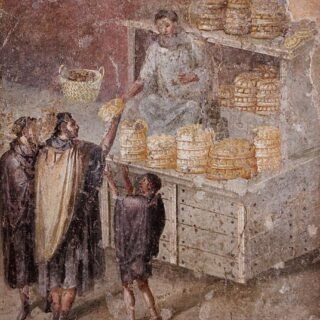
The plebeians, often referred to as the “commoners” of ancient Rome, played a significant role in shaping the political, social, and economic landscape of the Roman Republic. Their struggle for rights,...
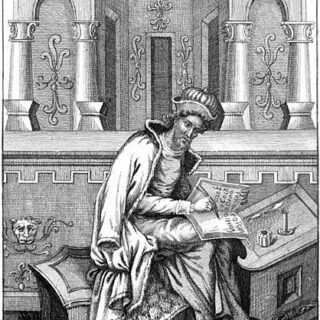
Titus Livius, commonly known as Livy, was one of the greatest historians of ancient Rome. His monumental work, Ab Urbe Condita (From the Founding of the City), chronicles the history of Rome...
Dionysius of Halicarnassus (c. 60 BC – after 7 BC) was a prominent Greek historian, teacher of rhetoric, and literary critic, best known for his monumental historical work Roman Antiquities (Rhōmaikē Archaiologia)....
Tantalus is one of the more infamous figures in Greek mythology. He is primarily known for the severe punishment he received in the afterlife. His story is significant both in...
Marcus Porcius Cato Uticensis, commonly known as Cato the Younger (95 BC – April 46 BC), was a Roman politician, military leader, and Stoic philosopher whose life spanned one of...
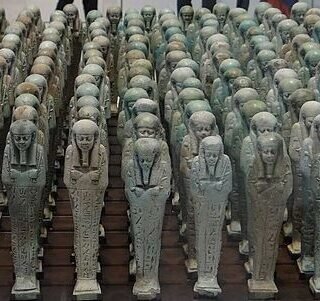
Shabti dolls, also known as ushabti or shawabti, were ancient Egyptian funerary figurines that played a significant role in their burial practices, particularly during the Middle Kingdom (c. 2055–1650 BCE)...
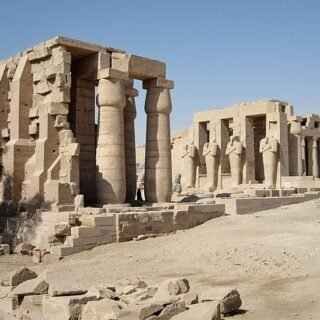
The Ramesseum is the mortuary temple of Ramesses II, one of ancient Egypt’s most powerful and renowned pharaohs. Also known as “Ramesses the Great,” he ruled during the 19th Dynasty of...
Diodorus Siculus, a Greek historian who lived in the 1st century BCE, is most famous for his Bibliotheca Historica, a massive 40-book historical work covering events from mythological times to his...
Clotho, one of the Three Fates (Moirai) in Greek mythology, is a powerful figure who holds significant influence over the course of human life. As the spinner of the thread...
Adonis is one of the most captivating figures in Greek mythology. The mortal is widely regarded as a symbol of youthful beauty and the transient nature of life. The myth...
Stoicism, one of the most enduring schools of philosophy, originated in ancient Greece around the 3rd century BCE. Founded by Zeno of Citium, Stoicism emphasized virtue, wisdom, and the importance...
The Greek phalanx was a highly effective and innovative military formation that played a crucial role in the success of ancient Greek armies, especially during the Classical period (circa 5th...
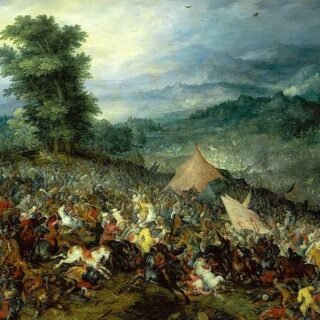
The Battle of Gaugamela, fought on October 1, 331 BCE, was a decisive conflict between the forces of Alexander the Great of Macedon and Darius III of Persia. This confrontation, near modern-day...
In ancient Egypt, the status of women was exceptional compared to other civilizations of the same era. The term “Gifts of Isis,” named after the goddess Isis, symbolized many of the...